Schools
Concord School Water De-Leaded, In Compliance With Feds, State
At SAU 8, about half of the money budgeted to remediate lead in water in 7 schools was spent; all schools are now under 5 parts per billion.


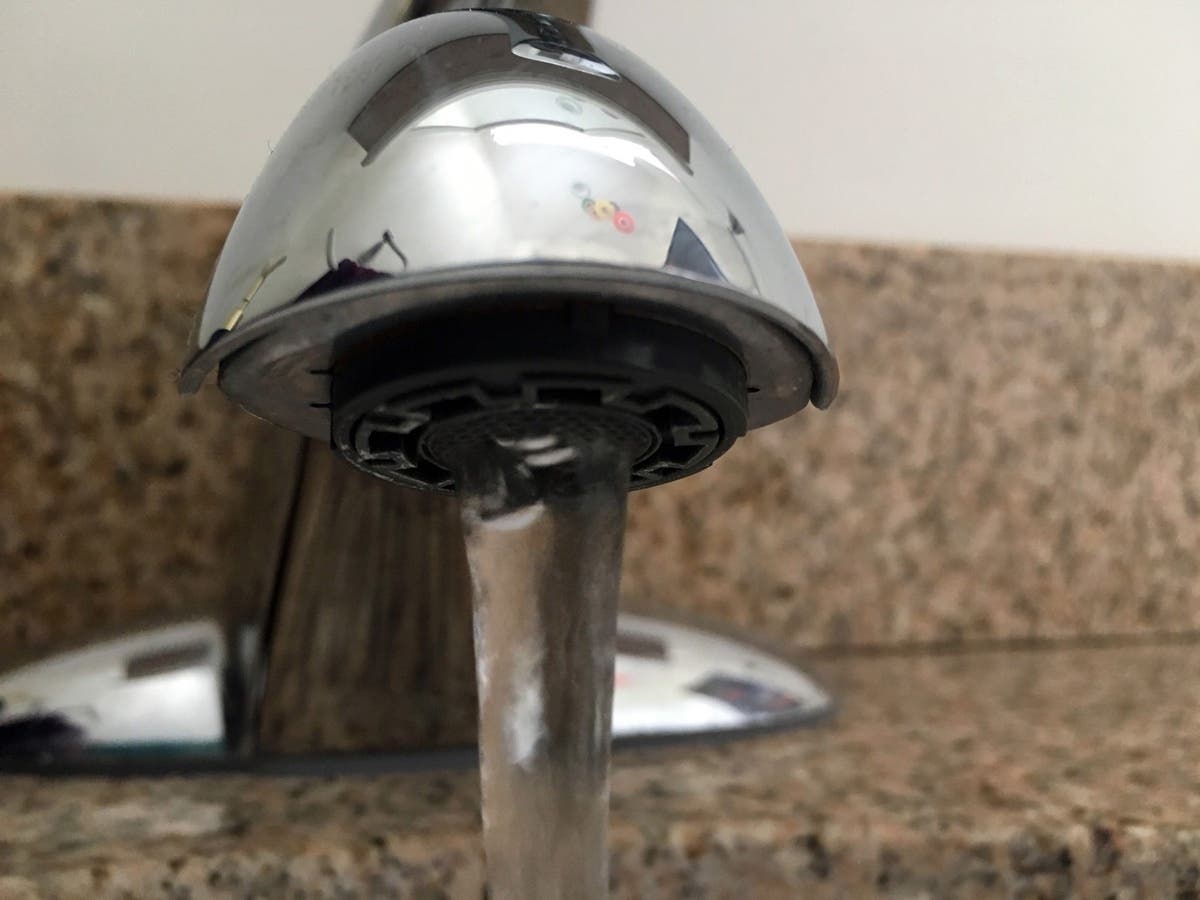
CONCORD, NH — Water in the Concord School District faucets and foundations have been de-leaded or shut off to comply with new federal and state guidelines.
In 2021, the U.S. Environmental Protection Agency revised down lead and copper rule revisions, lowering lead levels in water from 15 parts per billion (ppb), where it had been for three decades, to 10 ppb. The EPA gave government entities like schools until October of this year to comply with the lower regulations. The federal government also issued millions of dollars in grants toward the costs.
SAU 8 initiated a “Get the Lead Out” program, budgeting between $40,000 and $50,000 to meet the lower standards across three stages: testing, replacing, shutting off fountains and faucets that could not be replaced, and retesting again.
Find out what's happening in Concordfor free with the latest updates from Patch.
Kathleen Murphy, the superintendent of SAU 8, said the testing phase found all water outlets in the district’s schools complied with the old threshold of lead levels below 15 ppb. During testing, the state also reduced its school lead levels to 5 ppb. She said any water sources reporting more than that level had their faucet fixtures replaced and filters added.
“The district took some outlets offline, acknowledging that they were not water sources for drinking or needed,” Murphy said.
Find out what's happening in Concordfor free with the latest updates from Patch.
After the district replaced fixtures and filters, all the remaining water outlets were retested and came in under 5 ppb.
“In some cases,” she said, “water bubblers have been changed to water filling stations. At this time, all water outlets meet the standards set by the Department of Environmental Services.”
Later this year, the third phase will take place, a retesting of all the water outlets again inside the seven schools.
Murphy said the district spent about $28,000 to purchase supplies and install watercoolers in buildings until water stations were corrected. She said the amount did not include labor costs due to the work being done in-house by the district’s plumber and maintenance staff.
Murphy said she was “confident the district has met the new requirements” and “the district has been proactive in ensuring the drinking water is safe.”
Do you have a news tip? Please email it to tony.schinella@patch.com. View videos on Tony Schinella's YouTube.com channel or Rumble.com channel. Follow the NH politics Twitter account @NHPatchPolitics for all our campaign coverage.
Get more local news delivered straight to your inbox. Sign up for free Patch newsletters and alerts.