Politics & Government
Concord's Drinking Water Safe From Cyanotoxins
EPA has issued a regulatory advisory for cyanotoxins: Concord all-clear.

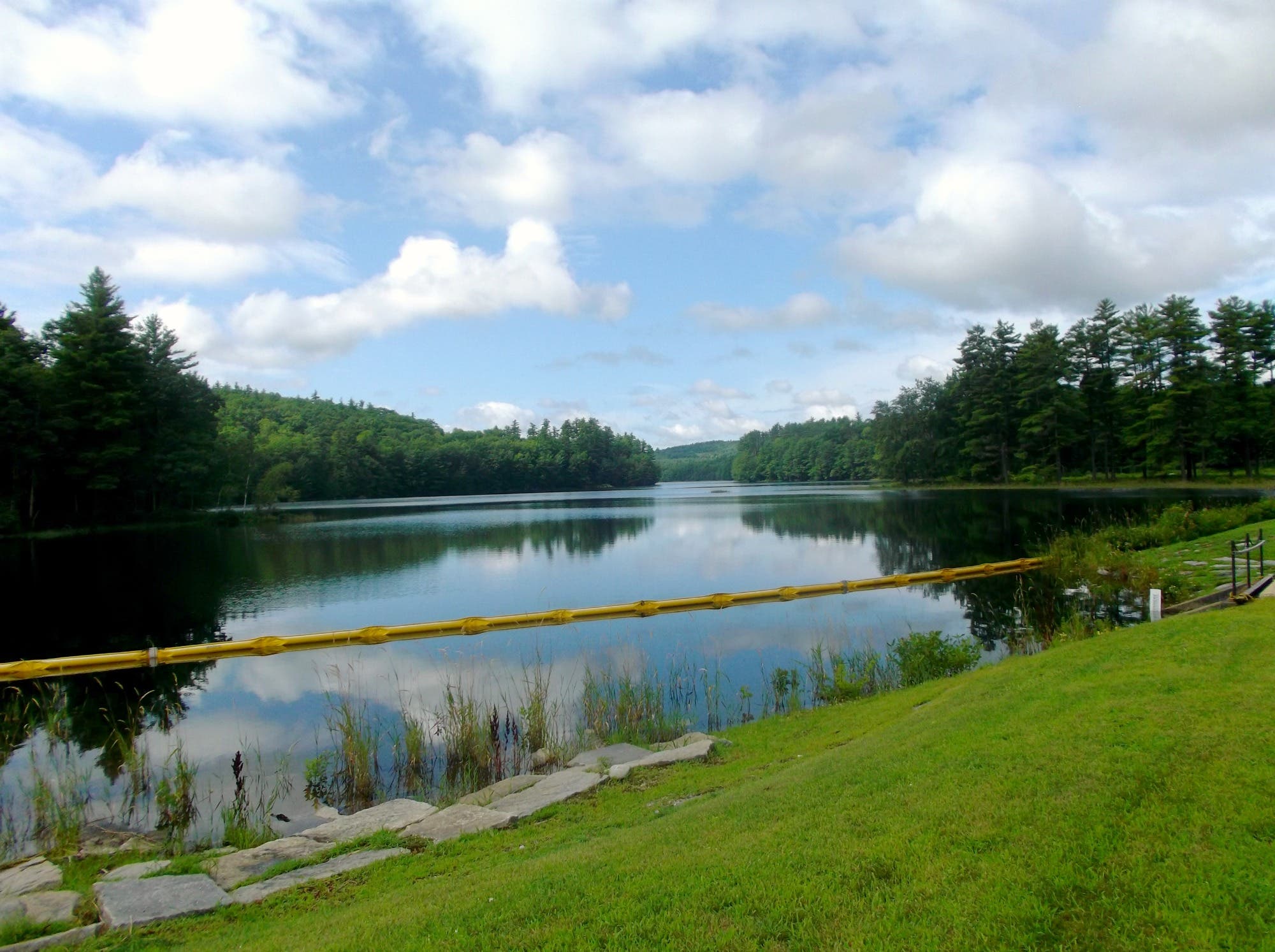
The U.S. Environmental Protection Agency (EPA) has issued a regulatory health advisory for cyanotoxins. Cyanotoxins can be found in lakes and oceans by creation of cyanobacteria, also known as blue-green algae. Algal blooms occur during warm weather when enough nutrients, such as nitrogen and phosphorus, are present for growth – typically originated from farm runoff. Fortunately, there is minimal farming near Concord’s watershed.
Concord General Services’ Water Treatment Division monitors Concord’s water supply from the source (Penacook Lake) to distribution. Testing is done regularly on the water supply to confirm all requirements are met to protect the public from any contaminants and to provide the highest standards for water quality and safety. Staff at the Water Treatment Plant has confirmed cyanotoxins are not a threat in the community’s water supply. “We have taken water samples directly from the lake, before our water supply is even treated and distributed as potable water, and our levels are well below the EPA’s recommendation,” stated Marco Philippon, Water Treatment Superintendent.
Concord General Services’ Water Treatment staff is actively monitoring Penacook Lake for any algae activity to be able to detect any potential concerns before cyanotoxins are even produced. The City of Concord owns the land surrounding Penacook Lake, and prohibits any recreational activity to reduce the lake’s exposure to any potential bacteria-created toxins. The City of Concord continues to be proactive to protect the Concord community’s watershed to ensure conservation, public safety, and the highest water quality.
Find out what's happening in Concordfor free with the latest updates from Patch.
Visit www.concordnh.gov/waterquality for detailed information about our water supply in the 2015 Water Quality Report. For specific information about Concord’s tested cyanotoxins levels compared to the EPA’s recommended levels, please call the Water Treatment Plant at 603-225-8696.