Health & Fitness
DHHS Monitoring Cruise Ship Hantavirus After 2 Passengers Found To Have NH Addresses
Health officials said 2 with Granite State addresses were on the MV Hondius but are not in NH. Residents face no current risk: Report.


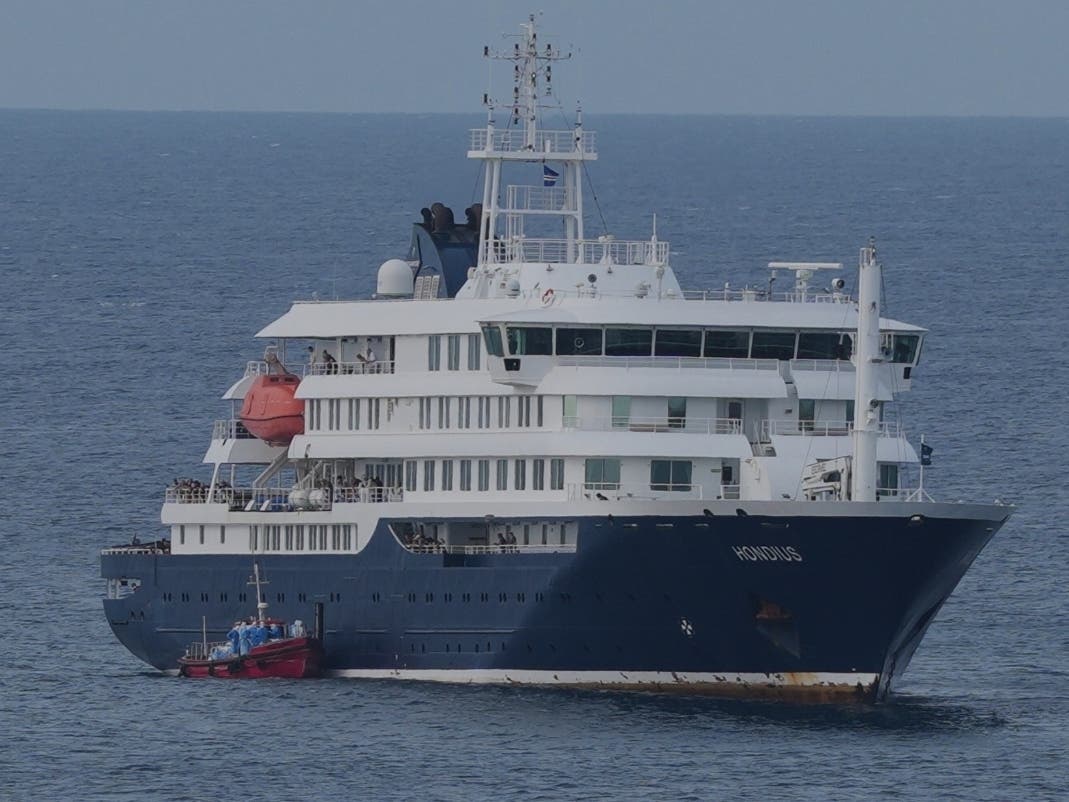
CONCORD, NH — New Hampshire health officials said they are aware of two people with New Hampshire addresses who traveled on the MV Hondius cruise ship and have returned to the United States, but the state said there is no current health risk to residents.
The New Hampshire Department of Health and Human Services said, “DHHS is aware of two individuals with New Hampshire addresses who traveled on the MV Hondius cruise ship and have returned to the United States. The two individuals are not in New Hampshire at this time, and we are actively communicating with our federal partners to assess whether they will be returning to the state in order to coordinate appropriate monitoring to ensure their health and that of the public. There is no current health risk to residents, and we will provide additional information as it becomes available.”
The agency said the two individuals are not in New Hampshire at this time.
Find out what's happening in Concordfor free with the latest updates from Patch.
DHHS also said it is communicating with federal partners to determine whether the travelers will return to the state and to coordinate monitoring if that happens.
The statement included background on hantaviruses, which are usually spread through contact with wild rodent droppings, urine, and saliva. According to the state, hantaviruses are found in the Americas, including in the United States, although primarily in the Western U.S. On average, the United States identifies 30 people with hantavirus every year.
Find out what's happening in Concordfor free with the latest updates from Patch.
DHHS said the last case of hantavirus identified in a New Hampshire resident was in 2019 and was thought to be acquired through travel. The agency said the virus involved in the cruise ship outbreak is the Andes virus, which can spread from person to person in situations involving close, prolonged contact with someone who is sick with the disease. A person is not considered infectious until symptoms begin, according to the statement.
The state said symptoms of Andes virus infection usually begin within 4 to 42 days after exposure. Early symptoms can include fever, fatigue, muscle aches, headache, and gastrointestinal symptoms such as nausea, vomiting, and diarrhea. Several days later, people can develop hantavirus pulmonary syndrome, which affects the lungs and can cause cough, chest tightness, and difficulty breathing.
There is no specific treatment available, according to the statement, and care focuses on supporting the patient through the illness. The DHHS Division of Public Health will continue coordinating with regional and federal partners and will make available any further information relevant to the health of the general public.
Anyone with questions can contact DPH at 603-271-4496 or visit the hantavirus page on the DHHS website.
Get more local news delivered straight to your inbox. Sign up for free Patch newsletters and alerts.