Health & Fitness
First Omicron Variant Infection Detected In New Hampshire
Officials say state laboratories prioritized the specimen since it had genetic sequencing that was "concerning" for an omicron variant.


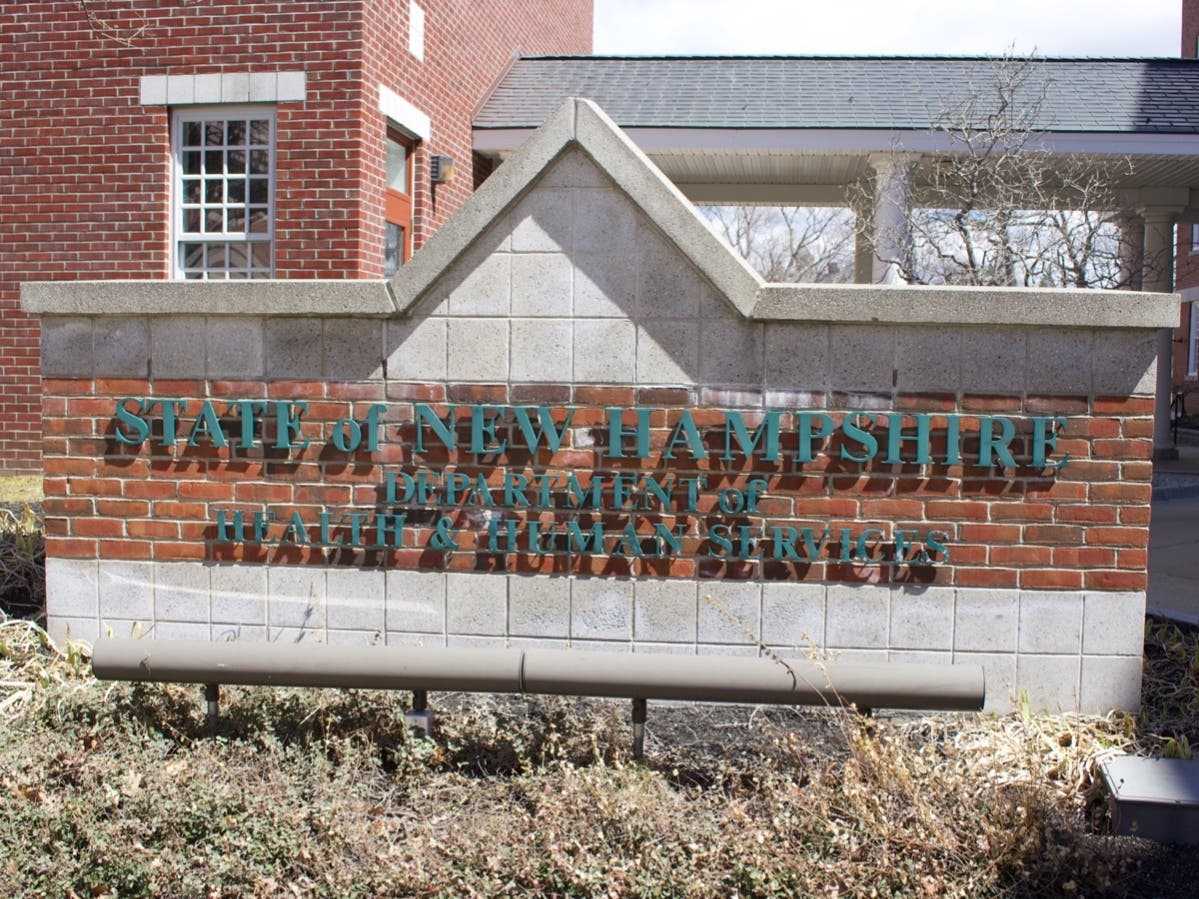
CONCORD, NH — New Hampshire has its first official detection of the omicron variant.
State health officials said the resident, who lives in Cheshire County, had traveled out of state and was exposed by another person who was confirmed as an omicron variant infection. The person was fully vaccinated but not yet boosted, officials said. They showed mild illness and have since recovered while in home isolation. Close contacts have been notified and are taking precautions, officials said.
There have been no identified public or occupational exposures, according to an alert.
Find out what's happening in Concordfor free with the latest updates from Patch.
NH Public Health Laboratories, officials said, “prioritized this specimen for genetic sequencing when the person’s PCR test showed a pattern potentially concerning for an Omicron variant infection.” The labs, they said, conducted targeted genetic sequencing of the viral spike protein and it showed genetic mutations consistent with the variant.
“Additional whole-genome sequencing of the virus confirmed the Omicron variant,” a statement said.
Find out what's happening in Concordfor free with the latest updates from Patch.
The state and lab partners will continue to conduct genetic sequencing on positive specimens and additional omicron cases and they will be reported online, on the state’s data dashboard.
Coronavirus and COVID-19 are at very high levels around New Hampshire while nearly all the infections derive from the delta variant. Officials predict the omicron variant, however, will be more infectious and will eventually become the predominant strain.
Early data also showed the variant could cause more breakthrough infections in people who have taken shots when compared to other variants. Officials said, “vaccination, however, is still expected to protect against severe COVID-19 and long-COVID symptoms.” A booster dose could help restore antibody protection, they stated.
“Anybody 5 years of age or older should get vaccinated against COVID-19, including people who were previously infected with COVID-19,” State Epidemiologist Dr. Benjamin Chan said. “And people who have already completed a primary COVID-19 vaccine series should get a booster dose of a COVID-19 vaccine in order to have optimal protection against both the currently circulating delta variant, and the new emerging omicron variant.”
ALSO READ:
- Active Coronavirus Cases: 10,138 Infections In New Hampshire
- National Guard And FEMA Medical Teams Called In To Help Hospitals With Surge
- Pappas Breaks With New Hampshire Delegation, Biden On COVID-19 Vax Mandate
- Podcast: NH Health Care President Talks Omicron, Stresses COVID-19 Surge At Hospitals
- COVID-19 Reaches New Infection Peaks In NH; 56 Deaths In A Week
COVID-19 Info For NH
COVID-19 is a disease caused by SARS-CoV-2 or severe acute respiratory syndrome coronavirus 2, which was first discovered in Wuhan, China, in December 2019. The virus is spread through the transfer of microscopic respiratory droplets, usually by coughing, sneezing, or exposure to others who are sick, whether they show symptoms or not.
Since the discovery of the first case in New Hampshire in March 2020, there have been a number of recommendations and changes to recommendations on how to prevent the virus and disease. The latest New Hampshire Universal Best Practices for the public, businesses, and schools can be found linked here, in PDF format. For resources in NH, including vaccine, testing, and treatment information, visit the state's resources and guidance page, linked here.
Basic health concepts to reduce the risk of infection include ensuring social distancing (staying 3 to 6 feet away from other people); washing hands with soap and water (for at least 20 seconds) or using alcohol-based hand sanitizer with at least 60 percent alcohol; wearing a facemask in indoor public spaces or outdoor spaces with large crowds; avoid touching eyes, nose, and mouth, and sneezing into a sleeve or tissue that is disposed of later; avoid sharing dishes, glasses, bedding, and other household items when sick; clean or disinfect high-touch surfaces; avoid public transportation when sick; and work remotely, if possible.
Got a news tip? Send it to tony.schinella@patch.com. View videos on Tony Schinella's YouTube.com channelor Rumble.com channel.
Get more local news delivered straight to your inbox. Sign up for free Patch newsletters and alerts.