Community Corner
Flies Can Kill Livestock
Farming is filled with dangers but who would think that the fly was such a vicious predator?


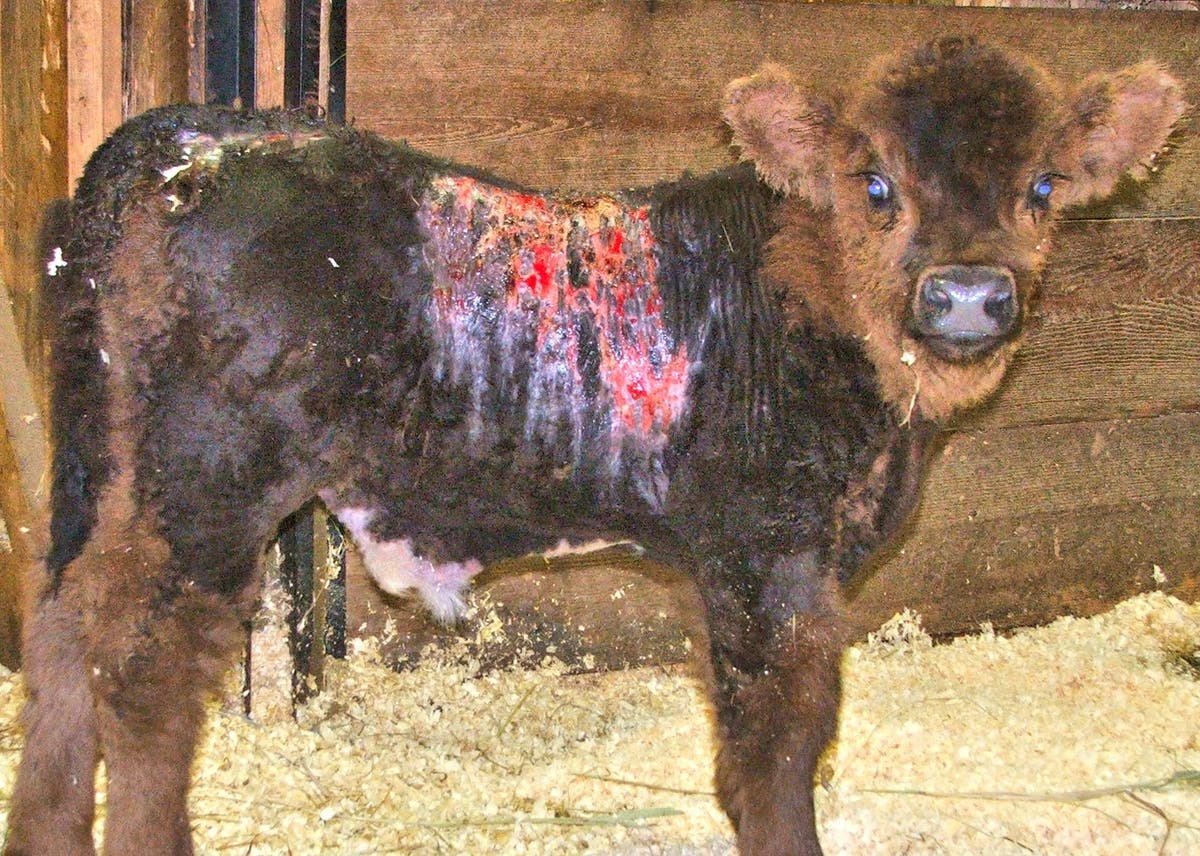
Even though I had washed several times, two maggots were squirming on my smartphone screen as I called my vet, Christina Murdock. A Highlander calf, born five days earlier, had an army of maggots on her back and
legs which we were trying to remove.
About 7:30 pm that night a farmer who, a few years ago had purchased some Scottish Highlander cows from me, called with one question, “What do you do for 'fly strike?'” Fly strike happens usually to baby livestock and can kill if not treated immediately. Flies lay their eggs on newborn calves and if the calf is wet and cold, the eggs hatch into larvae also known as maggots. The maggots burrow into the baby's skin and multiply causing toxic shock so the skin dies. If conditions are right babies, especially sheep or goats, can die in hours. It had been raining and cold for a few days which is why this calf was so heavily infected. The flies overwhelmed this calf, laying their eggs in her moist fur. Normally a calf warms up during the day killing the eggs or the maggots are brushed away by the mom's tongue. The cold, wet weather was perfect for the maggots to thrive and this calf was fighting for her life.
Willing to help, I grabbed a set of clippers, “wound cote” spray, a bottle of Ivermectin jumped in my truck and drove to the farm in Plymouth. We clipped the thick Highlander calf hair, washed maggot infected areas with Betadine and scrapped off the maggots. It wasn't pleasant having maggots crawl on our arms but we did manage to get most of the creepy crawlers off the calf. We poured some Ivermectin on the calf to help kill the maggots, then sprayed her with “wound cote.” Maggots need air to survive; spraying them cut off their air supply so any remaining maggots wiggled to the surface of the calf's skin where we scrapped them off.
Find out what's happening in Concordfor free with the latest updates from Patch.
This calf, thanks to quick action, will live but it is possible to avoid a maggot infestation completely. Calves born in the spring, before flies hatch, or in the fall, after the flies have died, are safe but a calf, born in the summer when flies are abundant, are at risk. Pouring a little Ivermectin on a calf shortly after birth will kill the eggs as they hatch and protect the calf.
Farming is filled with dangers but who would think that the fly was such a vicious predator? Don't underestimate the power of the fly; when you see a buzzing fly you could be witnessing a killer in action.
Find out what's happening in Concordfor free with the latest updates from Patch.
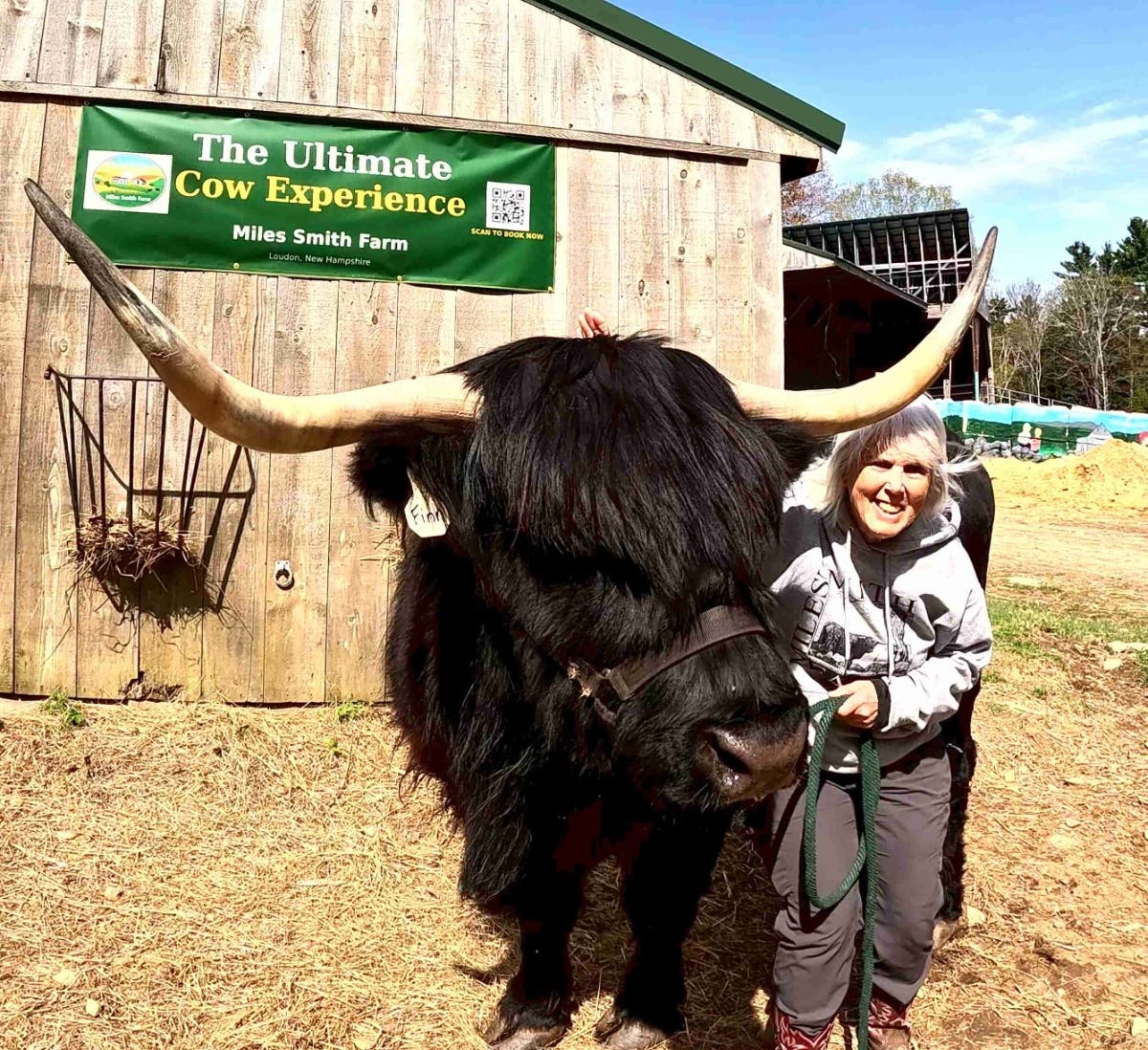
Carole Soule is co-owner of Miles Smith Farm, in Loudon, NH, where she raises and sells beef, pork, lamb, eggs and other local products. She can be reached at cas@milessmithfarm.com.