Neighbor News
Medicaid Awareness Month Underscores What’s at Stake for Granite Staters
New Hampshire Health Leaders Join Medicaid Awareness Month Event to Highlight Impact of Federal and Local Health Care Changes

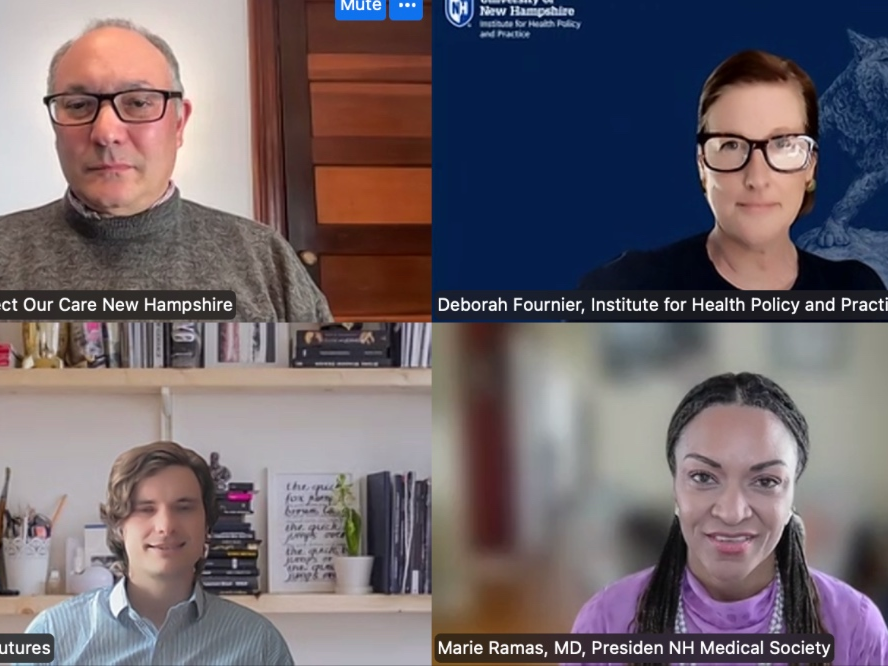
Watch the Full Event Here
CONCORD, NH – Today, Sam Burgess of New Futures, Dr. Marie Ramas of the New Hampshire Medical Society, and Deborah H. Fournier, JD, Director of Health Law & Policy at the Institute for Health Policy and Practice, joined Protect Our Care New Hampshire to mark the ninth annual Medicaid Awareness Month and discuss the real and growing impact of proposed federal and state health care changes on Granite Staters.
Medicaid is the largest health insurance provider in the country, covering more than 68 million. Medicaid also remains a cornerstone of New Hampshire’s health care system, providing coverage to more than 180,000 residents, including children, seniors, people with disabilities, and working families. Recent federal policy changes and funding shifts are already creating uncertainty for patients, providers, and communities across the state.
Find out what's happening in Concordfor free with the latest updates from Patch.
Speakers highlighted how rising costs and reduced federal support could lead to coverage losses, increased financial strain on families, and difficult decisions for providers. Hospitals, community health centers, and long-term care facilities—particularly in rural areas—are already facing workforce shortages and financial pressure. Additional instability could put essential services, including emergency care, maternity services, and behavioral health, at further risk.
The discussion focused on what these changes mean specifically for New Hampshire, how communities may be affected in the months ahead, and what is at stake for access to care across the state.
Find out what's happening in Concordfor free with the latest updates from Patch.
Deborah Fournier, Director of Health Law and Policy at the Institute for Health Policy and Practice said: “Any additional steps—work requirements, more eligibility checks, out-of-pocket costs—make it harder for people to enroll and stay enrolled, and that’s going to depress coverage.”
“Fifty billion in new investment cannot replace nearly a trillion dollars being pulled out of Medicaid—the system simply can’t make up that difference.”
Dr. Marie Ramas, President of the New Hampshire Medical Society said: “This is not the fault of the patient or the clinician—this is a system issue. This is a policy issue.”
Sam Burgess with New Futures, a leading voice in public health advocacy in New Hampshire, said: “If fewer people are covered and more rural services are closing, then we’re not transforming rural health—we’re hollowing it out.”