Health & Fitness
National Guard Called In To Help With COVID-19 Outbreak At State Prison
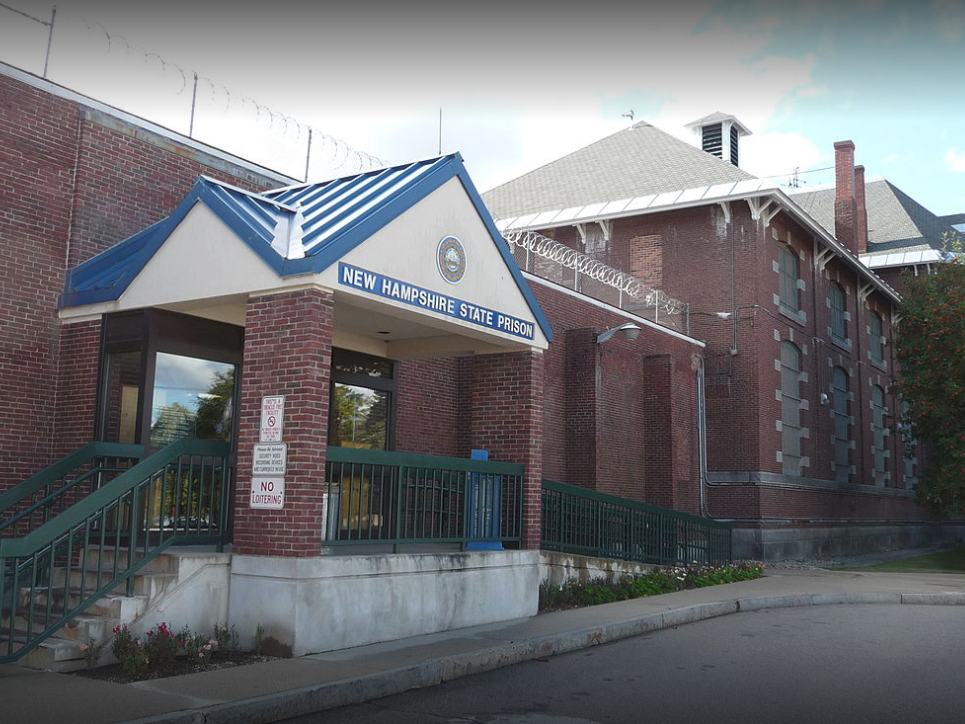
A coronavirus outbreak continues to spread rapidly at the New Hampshire State Prison for Men in Concord.

By NANCY WEST, InDepthNH.org
CONCORD, NH — The National Guard has been called in to help as the COVID-19 outbreak continues to spread rapidly at the New Hampshire State Prison for Men in Concord.
Find out what's happening in Concordfor free with the latest updates from Patch.
There were 17 inmates, half in the psychiatric units, and 27 staff members who were positive with the virus on Tuesday, according to the state Department of Corrections’ website.
National Guard members began training for posts that do not provide direct supervision of residents, including control room and observation posts, according to Tina Thurber, spokesman for the Department of Corrections. Augmenting DOC staff with members of the National Guard allows certified corrections officers to continue the direct supervision of residents.
Find out what's happening in Concordfor free with the latest updates from Patch.
“Since the beginning of the pandemic, the Department of Corrections worked with various state agencies including the National Guard, Department of Justice and Police Standards and Training Council to develop continuity of operations based on the potential impact of COVID-19 to Department facilities, residents and staff,” Thurber said in an email. “This week, National Guard members began training for posts that do not provide direct supervision of residents, including control room and observation posts.”
All testing information as it pertains to COVID-19 for both staff and residents are updated on the DOC website Monday through Friday between 3 p.m. and 4 p.m. with weekend days being reported on Mondays.
Inmates are only tested when they present with symptoms outlined in the CDC guidelines or have been identified during contact-tracing to have had close, prolonged contact with an infected person.
This story was originally published by InDepth NH.