Politics & Government
NH DHHS Reports First NH Zika Virus
Report: An adult woman contracted the virus through sexual contact with a man who had symptoms and was overseas.


CONCORD, NH - The New Hampshire Department of Health and Human Services has announced that it has confirmed the first Granite State resident with the Zika virus, according to a press statement.
The adult woman who has contracted the virus did so through sexual contact with a man who had some of the symptoms and had been to a region of the world where the virus is active, according to a report. She is not pregnant and has fully recovered from the virus, according to state officials.
The announcement comes about a month after state officials launched a preemptive strategy to combat the virus.
Find out what's happening in Concordfor free with the latest updates from Patch.
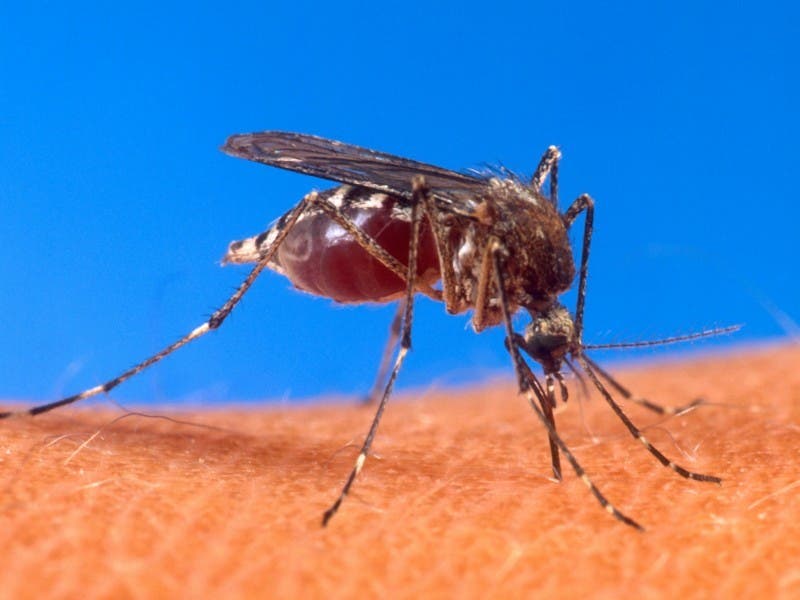
“The New Hampshire patient we are announcing today was infected with Zika through sexual contact with someone who traveled to a location with active Zika transmission” said Marcella Bobinsky, acting director of Public Health at DHHS. “Identifying cases in New Hampshire is not unexpected, although the most common means of transmission of the virus is through the bite of infected Aedes aegypti mosquitoes. Sexual transmission is less common. Our greatest concern is for pregnant women who may be exposed to the virus through travel, or the travel of their partners, because Zika has been associated with severe birth defects, including microcephaly. The mosquitoes that transmit Zika are not found in New Hampshire.”
The virus has caused federal officials to issue travel warnings for pregnant women to stay out of South and Central America, the Caribbean, Pacific Islands, and U.S. territories, and college students traveling to those areas to take precautions and do everything to keep from getting bitten by mosquitoes.
Find out what's happening in Concordfor free with the latest updates from Patch.
Bobinsky noted that DHHS is working with the CDC to “enhance the state Public Health Laboratory’s testing capabilities, protocols and certifications for Zika” and “inform health care providers and the general public about the Zika virus, prevention efforts and other resources.”
For more information, visit the DHHS Zika webpage at dhhs.nh.gov/dphs/cdcs/zika/.
Get more local news delivered straight to your inbox. Sign up for free Patch newsletters and alerts.