Politics & Government
NH Officials: Voters Can Cast Absentee Ballots Due To Coronavirus
Attorney General, Secretary of State clarify reasons why voters can cast absentee ballots — including fear of catching the new coronavirus.


CONCORD, NH — With the exception of a handful of communities, like Merrimack, which has postponed its town election until May, the next round of elections in New Hampshire are five months away. But that hasn't stopped politicos from making hay about whether or not emergency legislation is needed to approve the use of absentee ballots in the state before September or November — even though it is unknown what the state of the new coronavirus outbreak will be at that time. The issue has been simmering for a number of weeks as governors in states hosting late in the season presidential primaries postponed or tried to postpone their elections.
And then Wisconsin had what some have called a chaotic Tuesday — the results of which no one knows yet.
At this point, with President Donald Trump securing enough delegates to win the Republican nomination easily and U.S. Sen. Bernie Sanders, I-VT, suspending his campaign for the Democratic Party's nomination right after the vote in Wisconsin to former Vice President Joe Biden, the issue is moot.
Find out what's happening in Concordfor free with the latest updates from Patch.
Unless, of course, you're trying to score political points or scare people who are already fearful of a pandemic they don't understand — and the economic collapse that has been brought on in the wake of trying to implement a community mitigation plan to stop the spread of the virus.
During the Executive Council meeting Wednesday, the members of the board who are Democrats pressed Gov. Chris Sununu, a Republican, to call in the Secretary of State to calm the fears of some of their constituents who were worried the new coronavirus stay-at-home order would not allow them to vote. The governor told the councilors that it was not the purview of the council to bring in the secretary to the meeting and guidelines would be released soon. The Democrats though balked and the meeting went onto other issues.
Find out what's happening in Concordfor free with the latest updates from Patch.
During his press conference Thursday, Sununu was asked about the issue and confirmed voters would be able to cast ballots by absentee if they didn't feel comfortable going to the polls during the outbreak. The elections, though, are many months away, he said, adding, again, that guidelines would be issued soon.
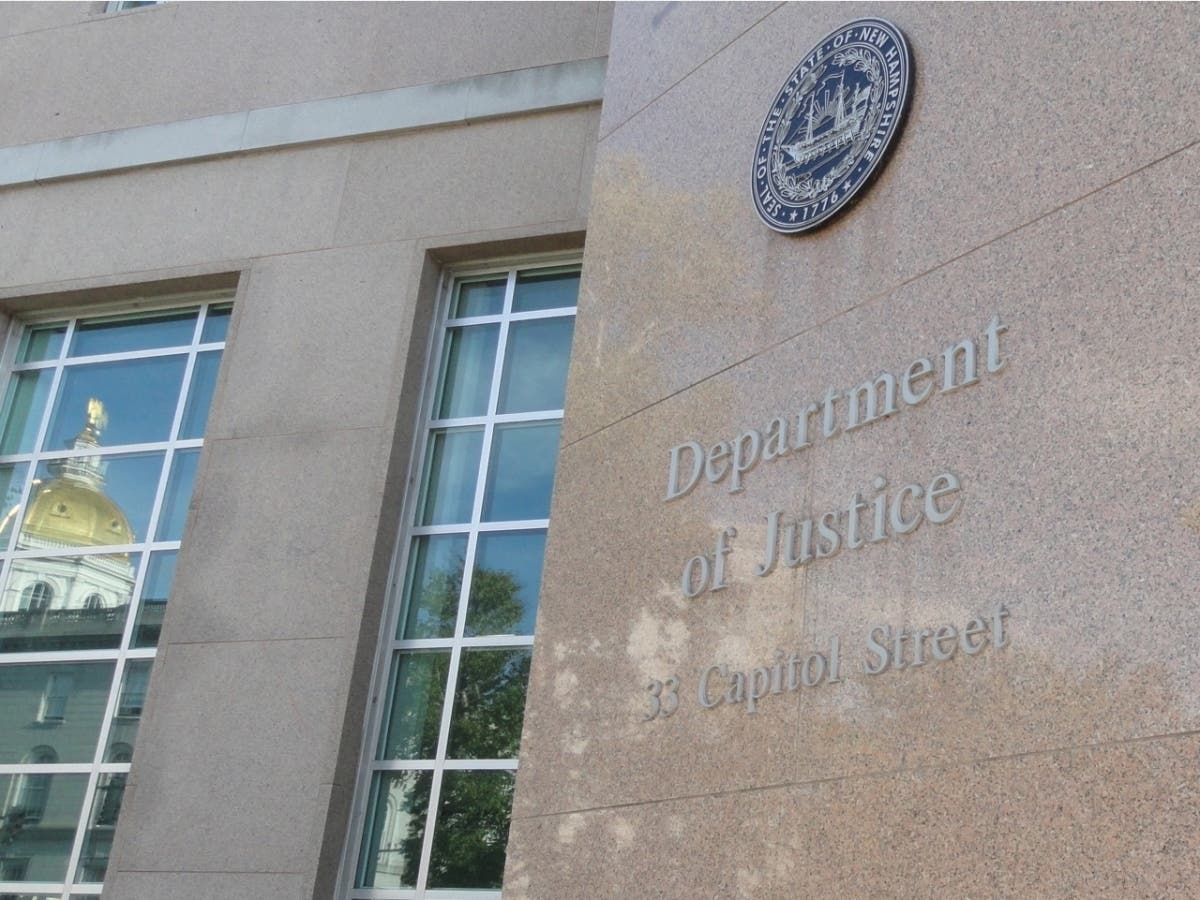
On Friday, those guidelines were released, with both Secretary of State Bill Gardner and Gordon J. MacDonald, the attorney general, agreeing that there were numerous reasons for absentee balloting in the middle of the pandemic.
Voters can cast an absentee ballot if they are physically not home at the time of the election, can't get to a polling location due to work, or are unable to vote due to taking care of children or adults.
"This would include a voter caring for a person quarantined for COVID-19, including self-quarantine based on general medical advice issued to the public by health officials," the memo said.
Other reasons for requesting a ballot include religious commitment or not being able to vote due to a "disability" including "any medical condition where medical advice is that the voter not go out in public," the memo said.
"This includes a voter who is quarantined, including self-quarantine, for any reason due to COVID-19," the letter added. "Compliance with general medical advice issued to the public by health officials is sufficient, individualized advice from the voter’s personal physician is not required. Current general medical advice is that all household members of a person self-quarantined for cause, also self-quarantine."
The "broad interpretation" of the term "disability" allowed for the application to "occur outside emergencies as well" including "any circumstance where the voter is under medical advice — whether it is individualized advice or general advice to the public — to avoid being in places like a polling place." The memo stated, "In light of the current public health advisories related to COVID-19, any voter who in the voter’s judgment is being advised by medical authorities to avoid going out in public, or to self-quarantine, would qualify to vote by absentee ballot. This applies equally to voters who are experiencing symptoms of COVID-19 or any other severe communicable flu, and those who are self-quarantining as a preventative measure."
Local election officials, the memo said, don't play a role in determining whether or not an absentee ballot has been lawfully submitted and "suspicion or evidence" that a person is voting by absentee ballot when not entitled to by law "is never a legal ground for rejecting an absentee ballot." No one will be prosecuted for casting an absentee ballot due to the new coronavirus, the memo stated.
Some voters and activists are worried allowing absentee balloting for any reason or initiating mail-in voting would encourage fraud and "ballot harvesting" — the process by which political activists go door-to-door to encourage inactive voters to cast ballots, to increase turnout for their side.
But the memo stated the procedure to request an absentee ballot still requires the voter to request an "absentee voter affidavit" that needs polling information and a signature on the envelope by the voter.
"It is impossible to predict the course of the COVID-19 public health crisis or how it might be affecting our state in September and November 2020 when the primary and general elections will be held," the memo stated. "Nonetheless, it is important for election officials, voters, and candidates to have a clear understanding now about how public-health related concerns will be addressed. It is reasonable to anticipate that voters may feel apprehension about voting in person … voters should not have to choose between their health and exercising their constitutional right to vote. Thus, any voter who is unable to vote in person in the Sept. 8, 2020 primary Election or the Nov. 3, 2020 general election because of illness from COVID-19 or who fears that voting in person may expose himself/herself or others to COVID-19 will be deemed to come within the definition of 'disability' for purposes of obtaining an absentee ballot."
Gardner and MacDonald plan on issuing "further guidance to election officials about planning for and accommodating what could be a significant increase in absentee ballots."
The full memorandum can be found here in .pdf format.
Got a news tip? Send it to tony.schinella@patch.com. View videos on Tony Schinella's YouTube channel. Follow the New Hampshire Patch Politics Twitter account @NHPatchPolitics for all our campaign coverage.
Get more local news delivered straight to your inbox. Sign up for free Patch newsletters and alerts.