Community Corner
Public Safety Changes, Post-Sept. 11
Interim Police Chief Duval says Concord departments, feds talking to each other.


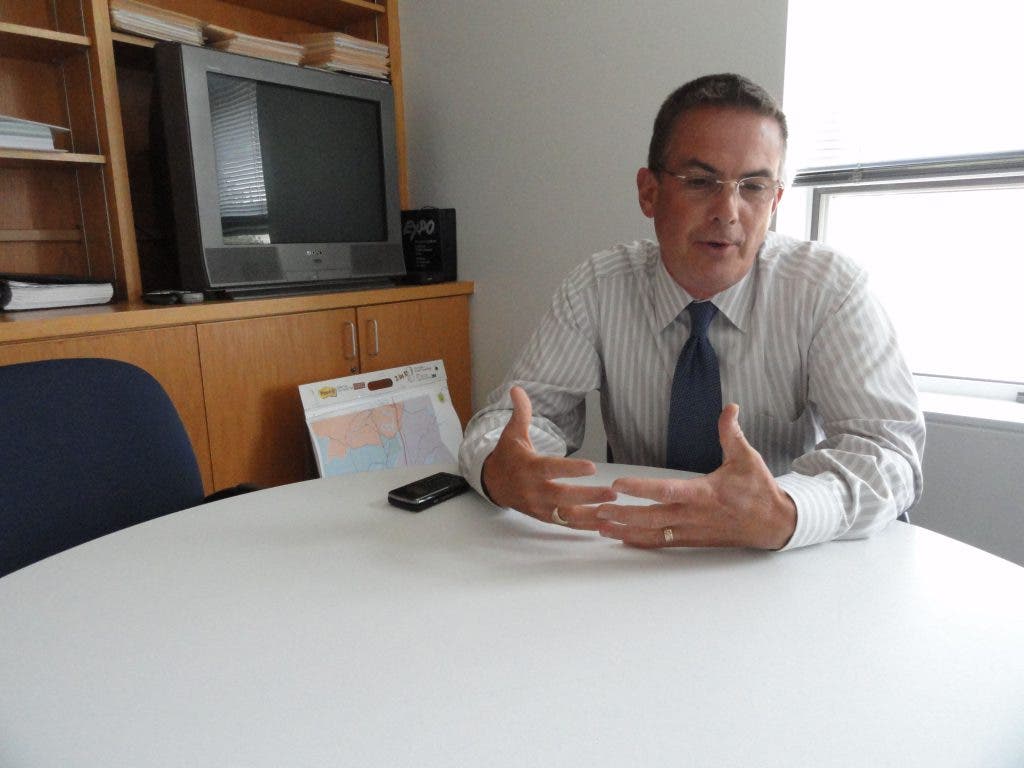
Virtually everyone’s life has been affected by and since the Sept. 11 terrorist attacks but probably no one more than public safety officials. In the last 10 years, public safety officials have gone through enormous amounts of training, and received new tools to fight terror and crime.
Concord Interim Police Chief John Duval said that, after the attacks, the federal government produced a report outlining some of the interagency problems and a lot of public safety agencies began talking to each other and working together more efficiently. That communication has also helped not only with terrorism preparation but also natural disasters and weather-related incidents.
“For the last 10 years, in real ways, our department has taken aspects of that report and made substantive changes to how we do things here,” Duval said.
Find out what's happening in Concordfor free with the latest updates from Patch.
About once a year, the department takes part in a full-scale exercise to test its capability of working with other public safety agencies, like a fire department or the state’s Homeland Security Department. The communication from the training is then analyzed for efficiency “to find areas where you’re weak in … so we can improve and do our job better,” he said.
Another area of change was the concept of “plain speak,” according to Duval. Police and fire departments have always historically spoken in different jargon, he said. Each “ten-code” can be completely different between departments around the state.
Find out what's happening in Concordfor free with the latest updates from Patch.
“In a state of emergency, people are barking out these ten-codes, and it requires you to figure out what their trying to say,” he said. “And in a state when things are moving fast, there is some panic that’s setting in, and you want to be able to understand what is happening, in clear terms.”
The federal government recommended that agencies move to plain speak. Occasionally, departments will use the ten-code in a sensitive situation, like a person who is in the process of being served with a warrant. But almost always, the communication will be in plain speak, he said.
Get more local news delivered straight to your inbox. Sign up for free Patch newsletters and alerts.