Politics & Government
Spern: Concord City Council Could Use A Young Person’s New Ideas
Ward 4 Special Election: The millennial candidate says housing, employment, the arts, having a community that is engaged, are all connected.


CONCORD, NH — Sometimes, when a person has been living in a place of a long period of time, they do not always see all of the positive things or possible improvements that could be. And then, a new person comes along and helps one see what they are not seeing or even what could be.
Whether it is community potential or civic life, new people can sometimes breathe fresh air into stale, stodgy places.
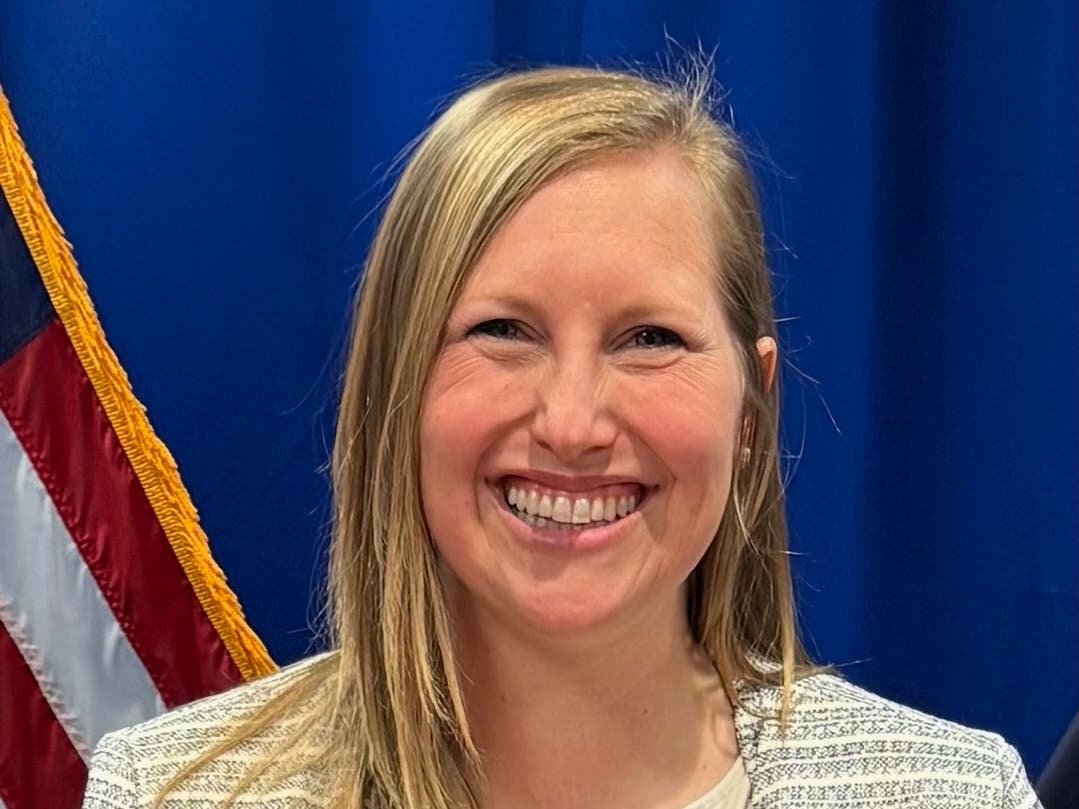
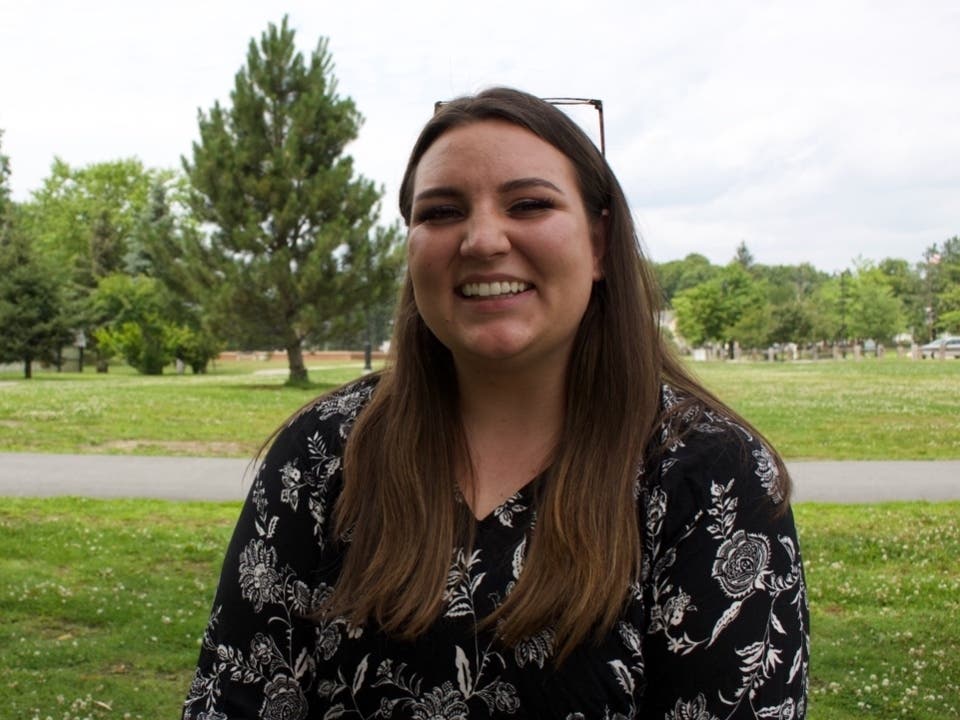
Connor Spern, a newcomer to the city, who is in her mid-20s, looks at her city council run as a way of bringing younger representation and a different perspective to the body. If elected, she will probably be the youngest member of the board ever and definitely the youngest member since Jeff Bart of Granite State Candy Shoppe, who was in his 30s when he served two decades ago. The city, county, and state have invested money and promotion, she said, trying to get young adults to come to New Hampshire and stay when they visit or finish college. Why not have someone, in that age group, with a seat at the table?
Find out what's happening in Concordfor free with the latest updates from Patch.
For Spern, she moved to Concord after college, coming here from Texas, and then moved to Manchester to live while working in Concord, and then moved back to Concord again. She said she found it a more pleasant experience and was now calling the capital city her home while becoming thoroughly invested in the community.
“I am mostly running because I represent a lot of Concord that is not currently represented on city council,” she said. “I think if you start to get younger representation on your committees, it is a little more authentic. You have a better perspective, right there in front of you.”
Find out what's happening in Concordfor free with the latest updates from Patch.
Being able to work in the city, be a part of the city, and then, giving back to the city, while working for a nonprofit and volunteering, was quite rewarding for her and her friends. Spern believes others, too, will come here, make it home, and contribute to improving the city. Volunteering of themselves, too, whether it is at The Friendly Kitchen, a golf tournament, or putting up business dollars for nonprofits were being organized by many residents. New people immediately feel that sense of connectivity with other residents, to help, she said.
“Being someone who works in social services, that’s kind of like a connector,” she said.
Housing, Spern said, was “a huge issue,” and seems overwhelming to solve because it was multifaceted with different population sectors burdened by the problem every single day. And she sees that: With seniors at the Friends Program, where she works; with the homeless at The Friendly Kitchen, where she volunteers; with young adults at the Concord Young Professionals Network, who all cannot afford to pay rent or property taxes while also paying for everything else to have a decent life. Anywhere you go in Concord or with groups online, Spern said, people are talking about the fact that they cannot find affordable housing in Concord.
The housing issue, too, connects to the employment issue and the lack of people filling all kinds of jobs in the city, where wages have grown exponentially but still are not keeping up with the housing costs, she said.
“I do not think it is all necessarily having to do with COVID money,” Spern said. “I think it is the businesses that are struggling most are people who work in restaurants, retail, all these places that employ younger people. So, if we don’t have anywhere in Concord that someone can make $12 an hour and rent an apartment, then you aren’t going to be able to staff those places long-term.”
Virtual education may keep a lot of people in the city as it did during the pandemic. Spern also does not think the pandemic is over and said there will probably be a resurgence — sending many people, including college students, back home. This could have a detrimental effect on the city as fewer and fewer people and businesses look for physical spaces to work. The businesses will not come to the city anyway until there is a clientele for them, she said. It will be less about the businesses, at least in the short term.
“I think, in that case, we may have to shift where we are going with what we are putting our investment and time in,” Spern said.
That shift could make the city become more focused on arts and the creative economy — putting together more Market Days Festivals, more Multicultural Festivals, and more things that are going to get people to come to Concord, she said. At the same time, having the Capitol Center close down again will be devastating, she said. Making Concord a true destination city should be a priority. Coming from “a really small town,” Spern already sees a lot of opportunities here — and many other people who come here and stay here see it, too. It is about having someone, at the table, who looks at things a little bit differently.
“Concord’s locality to everything is a huge draw for people,” she said. “It is people who want the nature escape; people who want the historic side of things.”
Being a renter is another thing that makes Spern different than the other candidates and councilors with her wondering, “I don’t think the Concord City Council has ever had a renter. And renting is kind of the way it’s going to go, as rents go crazy. You literally have to make three times the rent before they even approve you.” Homeowners are important, too, she said, because they pay the bulk of the property taxes to run the city — although renters pay for the property taxes, in part of their rent.
Ward 4, however, has limited parcels for development, and many of the larger homes have already been converted into condominiums or apartments. Something will eventually be built at the New Hampshire Department of Transportation parcel and possibly when Storrs Street gets extended, which are both in the ward. But much of the housing that Spern thinks should be built will be outside of her ward.
One idea Spern would like considered is to have a percentage set aside in every development for workforce housing like larger cities require, to ensure that “mid-range housing, is really what we’re missing, that middle range,” gets built for people who need it. She would also like to see zoning changes for quantifying what is needed with a unit, including eliminating parking requirements, since much of what a person needs can be found downtown and many residents will not need two vehicles. Large parking lots with flexibility might be another option to improve downtown residency, she said.
Another factor with the council is general engagement, of lack thereof, with the public and city officials. Spern pointed to the recent Employment Security building sale where only two people spoke. She was one of the two. Spern said there should be better channels of information between the city council and the public to get information out so residents know what is going on. Meetings might have to be restructured so that residents knew about public hearings, she said. Even with people she knows, many residents do not understand or know about the workforce housing issues, they do not know what renters are going through, Spern said.
Focusing on the homeless problem will also be a priority especially when, as Spern sees it, being homeless is essentially a crime in the city, since police enforce trespassing laws and there are no places for many of the homeless to camp. There are also not enough services for them either, to get the help they need, to transition from homeless camper to productive citizen.
“When you’re unhoused for an extended period of time, and you have an arrest record, that takes you out of the running for a lot of jobs,” she noted, adding that "there was extensive mental trauma to overcoming substance abuse. “There’s such a low sense of self-worth. They would rather literally be constantly berated by the public, talked down to by the public than to get help, because that's what some of them feel they deserve … and I can say that, because I talk to them all the time. That is really hard to overcome. Some of the substances have really altered their brains and that makes it much more complicated than just quitting because they feel like it.”
Being a social service provider is another reason Spern thinks she should be on the council. Not only is she serving many of the orgs in the ward and people, but she is connecting them to others, like police, first responders, and other agencies. There is a lot of overlap between everyone trying to help people and still, it is not enough, Spern said. Being a councilor could be a natural segue from what she is already doing to what she could do.
“I think that is a matter having someone, who is a third party, such as a city councilor, who can work with those organizations, and take that administrative work of where can we view overlap and make it more efficient (to offer better services),” she said. “Again, that comes back to a more cost-effective program, comes back to a program that is more community-centric; community policing, community care, and, in the long-term, that is what causes lesser crime.”
Got a news tip? Send it to tony.schinella@patch.com. View videos on Tony Schinella's YouTube.com channel or Rumble.com channel. Follow the New Hampshire Patch Politics Twitter account @NHPatchPolitics for all our campaign coverage.
Get more local news delivered straight to your inbox. Sign up for free Patch newsletters and alerts.