Politics & Government
West Nile Virus Found In Central NH Mosquitoes
Breaking: NH DHHS finds positive test results in first batch of mosquito tests of the season.


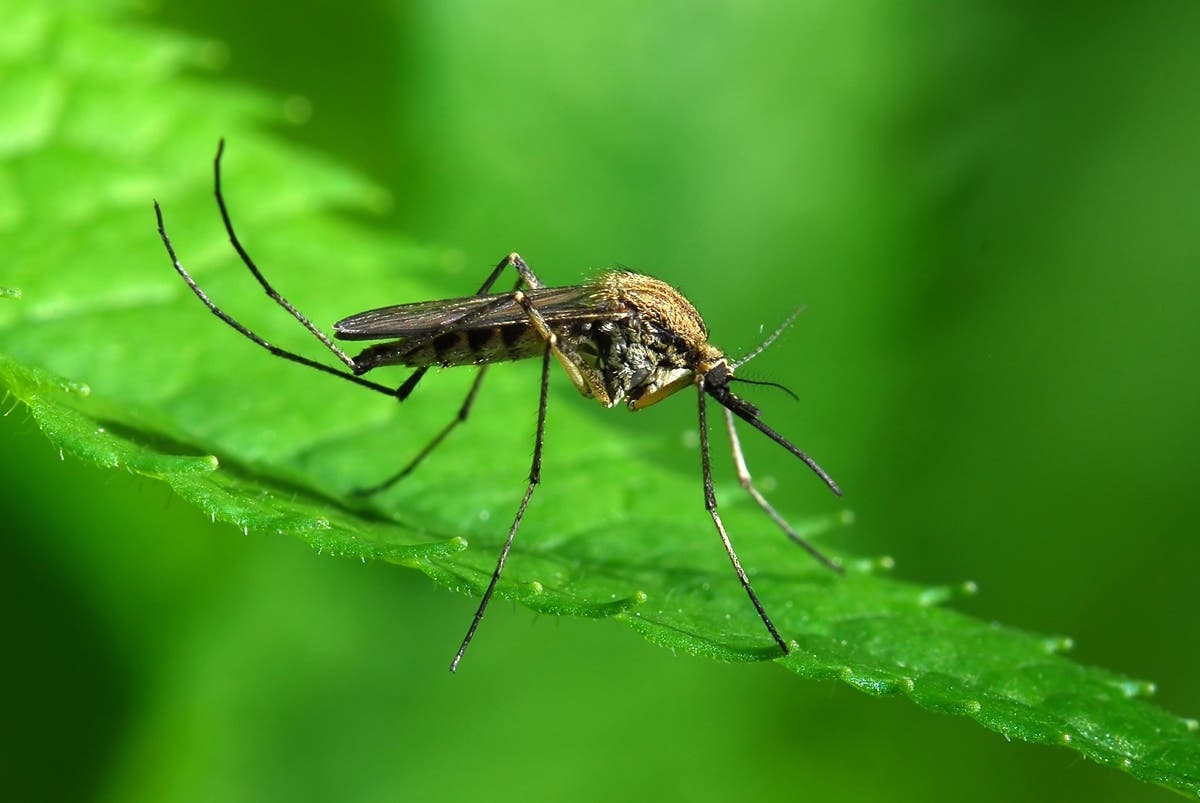
CONCORD, NH — The New Hampshire Department of Health and Human Services (DHHS) has found West Nile Virus in two batches of mosquitoes from the city of Manchester, according to a press alert. These are the first mosquito batches to test positive for WNV in 2017 and the first positive test results of the season, officials stated. DHHS is collaborating with the city of Manchester Health Department on notification around this recent detection.
“We are announcing the first West Nile Virus positive mosquito test results in New Hampshire this season,” said NH State Epidemiologist Dr. Benjamin Chan. “No humans or animals have tested positive for WNV or Eastern Equine Encephalitis this year. This is a good reminder that residents and visitors need to make sure they take precautions to prevent being bitten by mosquitos while enjoying the outdoors, especially as we head into the fall which tends to be the most prevalent time of year for mosquito-borne illnesses.”
WNV, along with Eastern Equine Encephalitis (EEE), are arboviruses that are transmitted from the bite of an infected mosquito. WNV was first identified in New Hampshire in August of 2000. Thus far in 2017, the DHHS Public Health Lab has tested 915 mosquito batches, three animals, and 12 people for WNV and EEE. There have been no positive tests for EEE yet this year. Last year, one mosquito batch tested positive for WNV in New Hampshire and there were no positive batches for EEE. No humans or animals tested positive for WNV or EEE last year. (For more information on this and other neighborhood stories, subscribe to New Hampshire Patch sites to receive daily newsletters and breaking news alerts.)
Find out what's happening in Concordfor free with the latest updates from Patch.
Residents and visitors to New Hampshire should protect themselves and their family members by using an effective mosquito repellant that contains 30 percent DEET, wearing long sleeves and pants at dawn and dusk when mosquitoes are most active, and removing standing water from around your home so mosquitoes do not have a place to breed. Repellents with picaridin, IR3535 and some oil of lemon eucalyptus and para-menthane-diol products also provide protection against mosquito bites.
Symptoms of the WNV usually appear within a week after being bitten by an infected mosquito, although many people can be infected and not develop any symptoms, or only develop very mild symptoms. Symptoms can include flu-like illness including fever, muscle aches, headaches, and fatigue. A very small percentage of individuals infected with WNV can go on to develop more serious central nervous system disease, including meningitis or encephalitis. If you or someone you know is experiencing flu-like symptoms, including fever and headache, contact your local medical provider.
Find out what's happening in Concordfor free with the latest updates from Patch.
Anyone with questions about WNV/EEE can call the New Hampshire Bureau of Infectious Disease Control at 603-271-4496. More information is available on the DHHS website at dhhs.nh.gov/dphs/cdcs/arboviral/index.htm and on the Centers for Disease Control and Prevention website at cdc.gov.
Submitted by Jake Leon.
Image via Shutterstock.
Get more local news delivered straight to your inbox. Sign up for free Patch newsletters and alerts.