Politics & Government
Hassan: Time to Expedite Substance Abuse Legislation
At Londonderry Rotary Club meeting, governor calls on the Legislature to "strengthen the state's efforts" as quickly as possible.


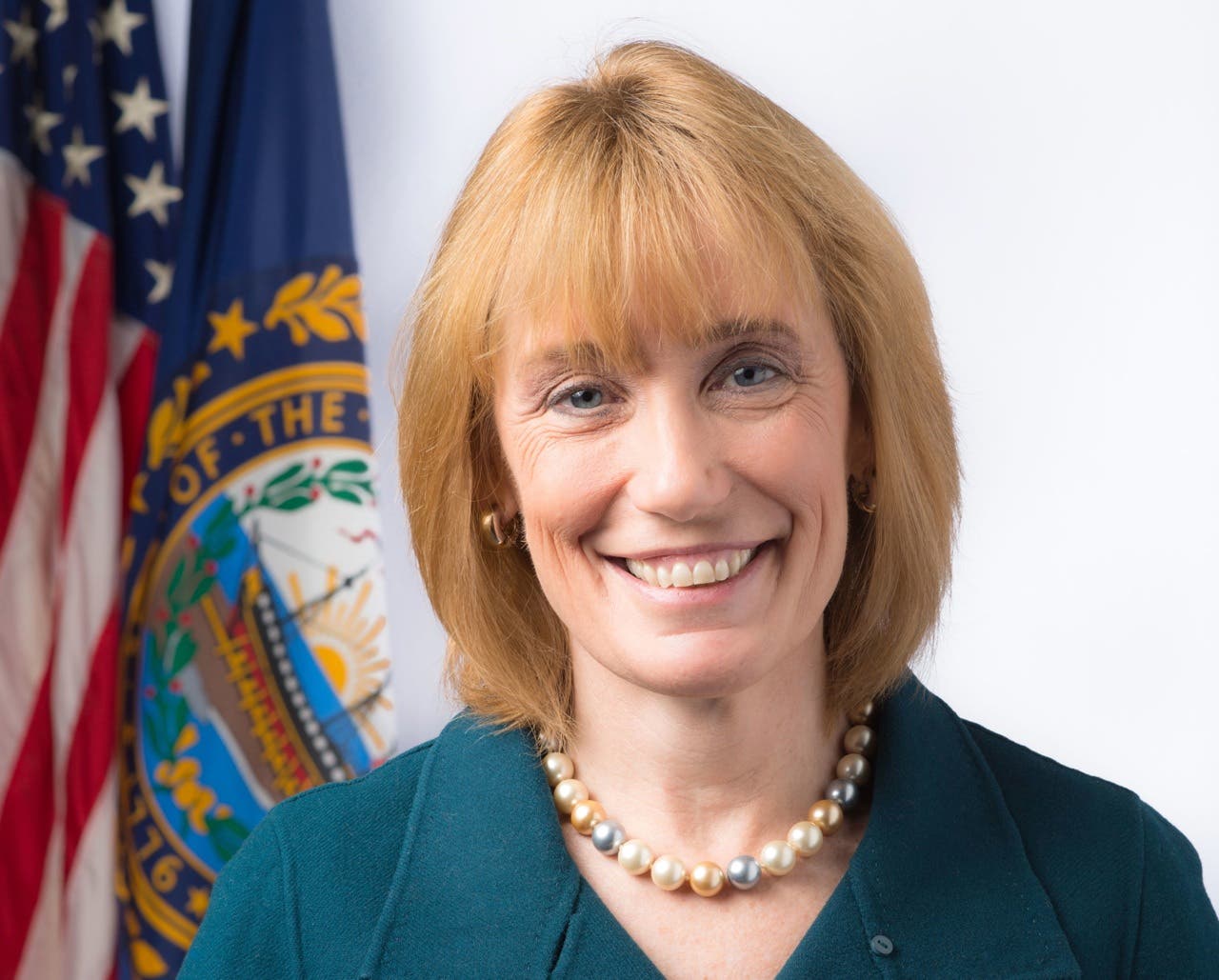
At this morning’s Rotary Club of Londonderry meeting, Gov. Maggie Hassan, D-Exeter, called on the Legislature to take up comprehensive substance abuse legislation as quickly as possible in order to strengthen the state’s efforts to combat the heroin and substance abuse crisis.
Over the past several months, Hassan has been meeting with legislative leaders from both chambers to outline legislative changes that she believes need to be made to help New Hampshire better address the opioid epidemic, according to a press statement. Hassan said that she believes the legislation should be taken up during a special session of the Legislature by the end of the year, and barring that, an expedited bill should be sent to her desk by the end of January during the next legislative session.
“People are dying nearly every day, and we must act quickly to give patients, providers, parents and law enforcement better tools to combat this epidemic,” Hassan said. “Comprehensive substance abuse legislation should be the legislature’s number one priority, and I believe the legislature should reconvene for a special session to address this crisis. Barring that, the legislature should have an expedited bill on my desk for signature by the end of January. In addition, I continue to encourage the legislature to reauthorize our bipartisan health care expansion plan as quickly as possible, and before April when insurers must file to be in New Hampshire’s marketplace.”
Find out what's happening in Londonderryfor free with the latest updates from Patch.
Governor Hassan said one of the most important steps the legislature can take is reauthorizing the bipartisan New Hampshire Health Protection Program, which has already provided treatment services for substance abuse and behavioral health to thousands of Granite Staters, so that providers have the certainty that they need to safely invest in expanding treatment capacity.
In addition, items that Hassan said need to be considered include:
Find out what's happening in Londonderryfor free with the latest updates from Patch.
- Cracking down on fentanyl: Fentanyl is currently a major cause of overdose deaths in New Hampshire, but state law does not reflect that reality. The governor is calling for matching the penalties for selling and distributing fentanyl with those for heroin.
- Supporting law enforcement response: Hassan recently announced two grants to support local law enforcement in high-risk communities like Manchester to assist in combating the heroin and opioid crisis. The governor is calling for providing additional resources to the Department of Safety so that they can expand the pilot program with Manchester to assist on the ground with arresting street-level dealers and seizing illicit drugs in other hard-hit communities.
- Streamlining insurance coverage for treatment: Hassan’s proposal would help ensure that patients have timely access to treatment by requiring all insurance companies to use the same evaluation criteria (ASAM) – making it easier for patients to get into hospital detox beds without prior authorization and ensuring that the Department of Insurance has the tools that it needs to enforce parity.
- Updating prescriber practices to increase awareness of the risks of opioids: Hassan continues to work with the medical community to develop stronger, more explicit and more up-to-date rules to prevent opioid abuse. Her proposal would require all prescriber medical boards to adopt updated rules to ensure that patients and providers are warned adequately of the risks of opioids, to follow best prescribing practices, and to ensure that prescribers are receiving appropriate medical education on prescribing opioids and best pain management exercises. Stopping addiction before it starts is a critical component to a comprehensive approach, and it is clear that the overprescribing of opioids plays a role in the crisis, but right now, the Board of Medicine rules are out of-date, linking to a statement that say opioids have a low risk for addiction, among other issues.
- Limiting duration for emergency room prescriptions: As part of updated prescribing practices, Hassan proposes considering a limit on emergency room opioid prescriptions for a period of five to seven days so that patients are getting a long-term treatment plan from their primary care providers.
- Expanding drug courts: The governor continues to support funding for a statewide drug court plan.
- Strengthening the Prescription Drug Monitoring Program (PDMP): Hassan worked to launch the PDMP in October 2014 and signed bipartisan legislation earlier this year to facilitate data-sharing with other states. Governor Hassan proposes continuing efforts to strengthen the functionality and technology of the PDMP so that more prescribers can use it in a timely fashion.
- Other potential measures: The governor would also support legislation that would require the Department of Justice and the Department of Health and Human Services to develop new rules for licensing and regulating pain and methadone clinics, as well as adding a pain management specialist to the Board of Medicine.
“There is no excuse for inaction as we continue our ongoing efforts to combat the heroin and substance abuse crisis, and I remain committed to working with the legislature to develop and finalize this important legislation,” Hassan said. “We will have to continue to fight together – each and every one of us, every single day – to build on our efforts to combat this crisis.”
Get more local news delivered straight to your inbox. Sign up for free Patch newsletters and alerts.