Politics & Government
Mosquitoes in Our Midst: Nashua a No Spray Zone For Now
As neighboring communities go with pesticide spraying, Nashua will continue the push for public education.


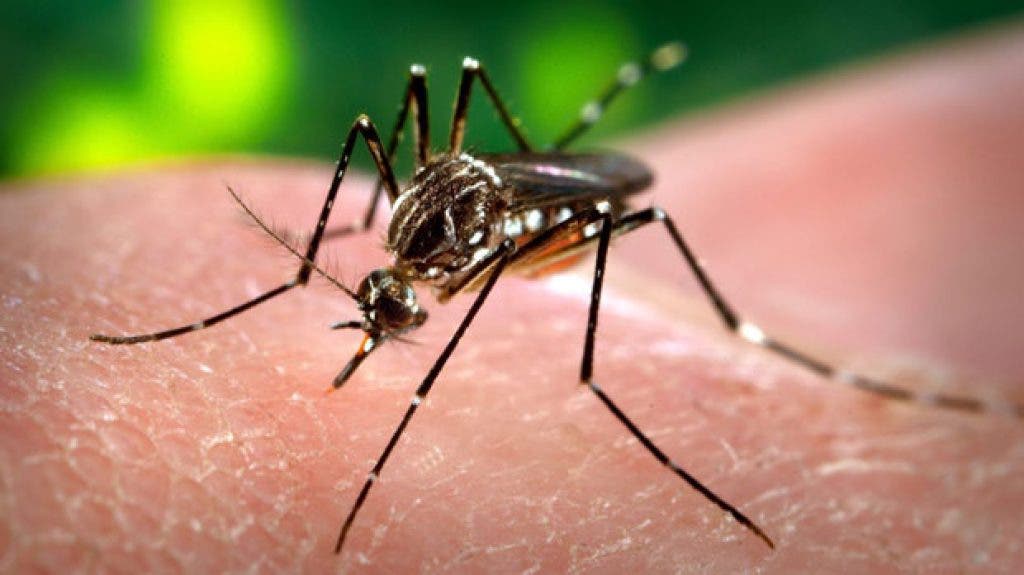
When it comes to mosquitoes in our midst carrying West Nile Virus, Nashua's health officer is pushing prevention as opposed to spraying.
On Aug. 8 infected mosquitoes were captured in a city test pool.
"We'll move our traps around so we can make sure the city is represented. Of the eight traps, this one is located in an isolated area in Nashua. That doesn't mean the public shouldn't take precautions when they're outside, but we haven't reached the threshold where we'd consider spraying," City Health Officer Heidi Peek said.
Find out what's happening in Nashuafor free with the latest updates from Patch.
This particular pool, which is remotely located, has tested positive before.
"This has been a historical positive site, so this is what we would expect as our first indicator that the virus is present, but we have three other trap sites that haven't had a positive result," Peek said.
Find out what's happening in Nashuafor free with the latest updates from Patch.
She said the location of the positive test pool is not made public because it has been vandalized in the past.
Two batches of mosquitoes taken from one particular trap tested positive during the week of Aug. 8. There were none the following week, Peek said.
But regionally, 18 batches of mosquitoes tested positive for West Nile Virus (WNV) on Aug. 8, in test pools in Manchester and Salem. On Moniday Manchester and the Town of Derry announced they would begin spraying some public spaces to control the adult mosquito population.
The rise in reported West Nile Virus cases is happening around the country, as U.S. officials on last week launched a widespread spraying campaign to kill mosquitoes. That, as the country faces the 'biggest spike in West Nile Virus' in since 2004, according to the U.S. Centers for Disease Control and Prevention.
Almost 80 percent of the cases being reported are in Texas, Mississippi, and Oklahoma, CDC says.
Peek said the mosquitoes likely contracted the disease from the bird population.
"We're seeing a little bit of fear rising about what's going on in Texas, and that's all that it is," Peek said. "Different places suffering from drought are having the issue of West Nile, probably in the bird population, and mosquitoes feed on the birds. But we've found bird testing wasn't a good indication of human risk, which is why we don't test birds anymore"
Peek said the particular mosquito carrying the disease does well in urban settings with small pools of water, such as bird baths or wading pools and dog dishes.
"People should go out and dump any standing water in their yards," Peek said.
Nashua has not utilized pesticide spray to control mosquitoes, but Peek has consulted with Stratham-based Dragon Mosquito, which provides private and municipal services. The decision to spray for mosquitoes in Nashua would require a far wider geographical area, and humans would have to be at risk, Peek said.
"In talking with Sarah McGregor of Dragon Mosquito, she always reminds me that surveillance works. For now we will roll out the educational messages. Spraying would be something new for us, and it wouldn't necessarily be my decision," Peek said.
Nashua Mayor Donnalee Lozeau said the city will continue to monitor test pools and work closely with the state Department of Health.
"I want to reassure the residents of Nashua to not be alarmed, and that we are monitoring the situation closely. We will continue with mosquito trapping and testing throughout the City to ensure we stay on top of this. I want to encourage everyone to follow the precautions from Public Health,” Lozeau said.
The city does have a spraying permit in place, which is something done annually as a precaution. If needed, the city would discuss a funding mechanism for the spraying, Peek said.
Symptoms of West Nile Virus often appear 4 to 10 days after being bitten. If you or someone you know is experiencing flu-like symptoms, including fever and headache, contact your local medical provider.
Anyone with questions about WNV/EEE can call 1-866-273-6453 between 8 a.m. to 4:30 p.m., Monday through Friday. Other information about EEE and West Nile virus are available on the DHHS website at www.dhhs.nh.gov and on the Centers for Disease Control and Prevention website at www.cdc.gov.
Prevention Guidelines from the NH DHHS
1. Eliminate standing water and other mosquito breeding locations.
In warm weather, mosquitoes can breed in any puddle that lasts more than 4 days!
- Remove old tires from your property.
- Dispose of tin cans, plastic containers, ceramic pots, or other containers. Don't overlook containers that have become overgrown by aquatic vegetation.
- Drill holes in the bottom of recycling containers that are left outside.
- Make sure roof gutters are clean and draining properly.
- Clean and chlorinate swimming pools and hot tubs. If not in use, keep empty and covered and keep covers free of standing water.
- Aerate garden ponds or stock them with fish.
- Turn over wheelbarrows and change water in birdbaths at least twice weekly.
- Turn over plastic wading pools when not in use.
- Remind or help neighbors to eliminate breeding sites on their properties.
2. Be aware of where mosquitoes live and breed and keep them from entering your home.
- Mosquitoes lay their eggs in standing water. Weeds, tall grass, and bushes provide an outdoor home for the adult Culex pipiens mosquito (the common northern house mosquito), which is most commonly associated with West Nile virus.
- Mosquitoes can enter homes through unscreened windows or doors, or broken screens. Make sure that doors and windows have tight-fitting screens. Repair or replace all screens in your home that have tears or holes.
- Resting mosquitoes can often be flushed from indoor resting sites by using sweeping motions under beds, behind bedside tables etc. and once in flight, exterminated prior to sleeping at night.
3. Protect yourself from mosquito bites.
- If outside during evening, nighttime, and dawn hours when mosquitoes are most active and likely to bite, children and adults should wear protective clothing such as long pants, long-sleeved shirts, and socks.
- Consider the use of an effective insect repellent, such as one containing DEET. Repellent containing 30% or less DEET (N,N-diethyl-methyl-meta-toluamide) are recommended for use by children and adults. Use DEET according to the manufacturer's directions. Children should not apply DEET to themselves. Repellents that contain Picaridin or oil of lemon eucalyptus have also been determined to be effective.
- Vitamin B, ultrasonic devices, incense, and bug zappers have not been shown to be effective in preventing mosquito bites.
Get more local news delivered straight to your inbox. Sign up for free Patch newsletters and alerts.