Health & Fitness
Organic? How Can You Be Sure?
Is Organic really Organic? How do you know? Here are a few things to consider.
With all the talk of eating healthy these days, many people are turning to organic foods. Many stores now have fresh organic vegetables, a variety of frozen options as well as many other choices for a “healthy alternative” to the pesticide laden, genetically modified versions. But how do you know it is really better?
In 2008 an investigative team in Washington, D.C. reported that Whole Foods (popular organic food store) was supplying customers with organic food that is a product of China. Their claim was that Whole Foods could not possibly know if China was adhering to the USDA standards for organic, so how can they claim it is?
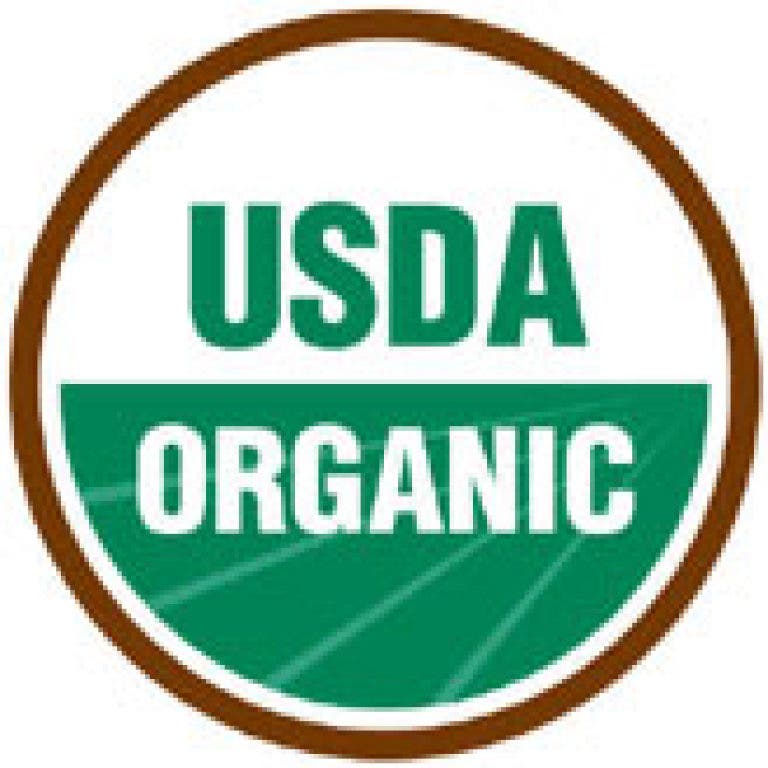
First let’s define what “organic” means and what the “USDA Organic” seal is actually promoting.
Find out what's happening in Salemfor free with the latest updates from Patch.
As noted in an article from the Mayo Clinic “The word 'organic' refers to the way farmers grow and process agricultural products, such as fruits, vegetables, grains, dairy products and meat. Organic farming practices are designed to encourage soil and water conservation and reduce pollution. Farmers who grow organic produce and meat don't use conventional methods to fertilize, control weeds or prevent livestock disease. For example, rather than using chemical weed killers, organic farmers may conduct more sophisticated crop rotations and spread mulch or manure to keep weeds at bay.” This is a perfect description.
The USDA has two separate designations for organic foods –Organic and 100% Organic used in conjunction with the USDA Organic seal. “Foods that have more than one ingredient, such as breakfast cereal, can use the USDA organic seal plus the following wording, depending on the number of organic ingredients:
Find out what's happening in Salemfor free with the latest updates from Patch.
- 100 percent organic. To use this phrase, products must be either completely organic or made of all organic ingredients.
- Organic. Products must be at least 95 percent organic to use this term.”
If a product has 70 percent or better organic ingredients, they may use the phrase “made with organic ingredients” but they cannot use the seal.
Things to note are that even in organic foods that are “certified” by USDA, they may still contain pesticides and additives.
With regards to the Whole Foods China incident, Whole Foods countered the reports noting that the USDA does, in fact, monitor the production of organic products coming from China. The farms and processing plants are visited regularly to ensure they maintain their organic status.
But how can we really be sure? Shop local! Buy fruits and vegetables in season. Locate the Farmers Markets near you and ask the vendors about their farms directly. There are winter farmers markets in many locations with many local suppliers who are more than happy to talk about their farms and their practices.
If you do buy from the store, make sure you thoroughly wash all fruits and vegetables before eating them to make sure that any leftover residues from production and processing are removed.
Bottom line – the informed shopper is a healthy shopper! Read the labels, question the sources, and be in control of your own health!