Health & Fitness
Remembering Margaret Thatcher’s Extraordinary and Enduring Legacy
We may be over a decade into a new century but Baroness Margaret Thatcher's passing marks the close of the 20th century.
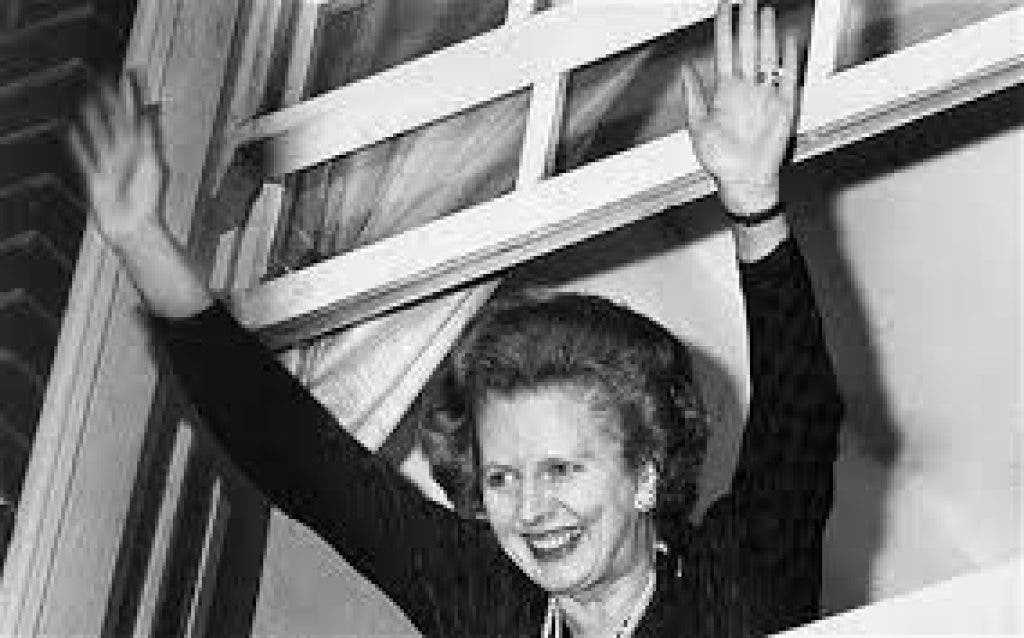
We may be over a decade into a new century but Baroness Margaret Thatcher’s passing marks the close of the 20th century. Indeed, Lady Thatcher was Great Britain’s greatest modern peacetime Prime Minister and had the rare distinction of having an equally pronounced influence on the world stage as she did in Britain.
As with Ronald Reagan in America, history has somewhat forgotten just how bad the British state of affairs was prior to her premiership. Throughout the 1960s and 70s, Britain was being economically outperformed by every European economy. They were labeled the “sick man of Europe” and Britons openly wondered whether they were finished. The once great enterprising nation, what Napoleon had derided as a "nation of shopkeepers" had entirely lost its spirit of entrepreneurship, its vitality. It was the lowest of the low for the old empire.
Thatcher inherited 30 years of decline and the challenges awaiting her were harder than those inherited by Reagan, as Britain’s confidence in the power of freedom had all but disappeared. But with a set of steadfast principles dubbed “Thatcherism” she reversed Britain’s economic slide and more importantly rekindled its spirit. She understood and believed more than any European at the time and since that nations prosper when hard working self-reliant peoples are given the freedom to pursue their dreams.
Find out what's happening in Salemfor free with the latest updates from Patch.
How did she do it? She dropped the top income tax rate from 98% to 40% and made clear that the state would not be running British business and began privatizing major sectors of their economy. Airlines, airports, utilities, and oil companies were all sold off to the private sector.
Further, she believed that the political power of Britain’s labor unions had strangled free enterprise. She immediately removed the legal immunities that protected unions from the financial consequences of striking and triumphed in a prolonged coal miners’ strike. The employee days lost to strikes each year fell from 29.5 million to 1.9 million. After a decade of Thatcherism the British economy was the fourth largest in the world and inflation fell from a high of 27% in 1975 to 2.5% by 1986.
Find out what's happening in Salemfor free with the latest updates from Patch.
Her reforms exposing the moral and intellectual bankruptcy of socialism, redefining the role of the welfare state, and highlighting the importance of the free market that had seemed radical at the time became part of mainstream thinking. Indeed, large portions of Thatcher’s reforms remained untouched even through the New Labor governments of Tony Blair and Gordon Brown.
These domestic reforms alone established Thatcher as an exceptional leader but her most impactful legacy was her partnership in shaping the post-WWII world. While she deftly and successfully handled the Falklands War, Thatcher’s finest hour was her courage to stand against Communism. It was her conviction, alongside Reagan and Pope John Paul II, that Communism was an evil system and must be defeated. Those on the Left who continue to loath Thatcher have either forgotten the history of the Cold War or never understood that Communism meant the enslavement of millions of people in Eastern Europe.
While Reagan made the pivotal decisions, he needed allies to reinforce American resolve. And there was Margaret Thatcher. By offering unbending support, she helped Reagan to accelerate the end of the Cold War. As the Telegraph’s David Blair highlighted, Thatcher won influence in the White House unmatched by any other foreign leader. Sometimes, she would speak for both America and Britain at summits, declaring what "Ron and I both think." Yet at the same time, she was the first to convince Reagan that Mikhail Gorbachev was a leader worthy of negotiation: "I like Mr Gorbachev. We can do business together." Winning over Lady Thatcher was the first step and Reagan soon followed.
In many ways the 20th century represented the choice between collectivism, by force or at least by expropriation, and individual freedom. World War II discredited totalitarianism, but it took Reagan and Thatcher to defeat it once and for all. By the end of her premiership the Soviet Union was in the midst of dissolution and the satellite states in Eastern Europe were casting off Moscow’s influence.
Britain and the Conservative Party are much different today than they were during Thatcher’s time. Yet the seminal debate of the 21st century remains largely the same: whether to continue to harness the power of individual freedom for the benefit of all or backslide into the misery, resentment, and stagnation of the pre-Thatcher era.
Farewell Lady Thatcher. Thank you.