Health & Fitness
Warning, Food Crisis: There Are Genetically Modified Organisms In Our Food Supply!
GMO! Genetically modified organisms

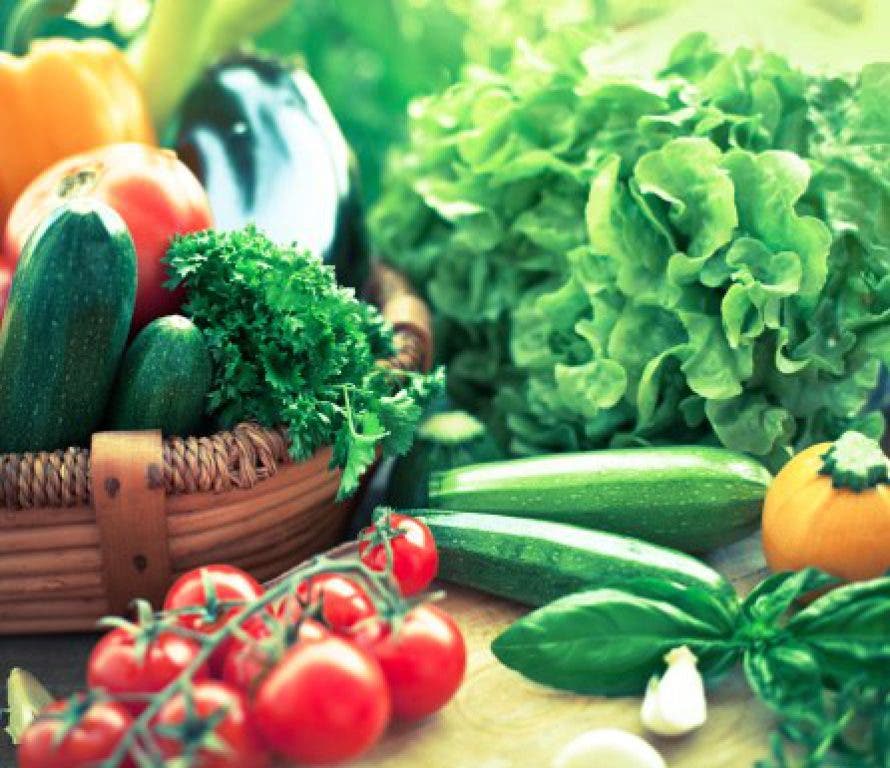


If you have never heard about genetically modified organisms (GMOs), you may not know that they may be one of the most dangerous health and environmental problems we face. Animal studies show GMOs cause immune and insulin problems, organ damage, gastrointestinal dysfunction, accelerated aging, and higher death rates. Those risks have leaded The American Academy of Environmental Medicine to ask physicians to advise all patients to avoid GM foods. The Campaign’s goal is push GMOs out of the entire food supply, protecting our health and the health of future generations.
Genetically modified organisms, or GMOs, are any living thing that has had its genetic material altered in some way through human scientific interference. This does not refer to “selective breeding,” such as when certain crops are selectively bred by gardeners over time to withstand heat, for instance, or the process by which different dog breeds were developed over time. Instead, GMOs undergo a form of gene therapy under lab conditions whereby segments of DNA are spliced, rearranged or removed altogether. You may have been eating genetically modified food for years and not even know it.
The key is creating a tipping point where a sufficient number of shoppers in the US avoid GM ingredients, and force major food companies to stop using them. We’ve already seen a tipping point in the use of genetically engineered bovine growth hormone (rbGH or rbST) in the U.S. Consumer concerns forced Wal-Mart, Starbucks, Kroger, Dannon, Yoplait and most of the 100 top US dairies to remove products from cows treated with rbGH or rbST. It’s time to turn GMOs into a marketing liability and reach the tipping point against all GM ingredients.
Find out what's happening in Salemfor free with the latest updates from Patch.
In the United States, much of the corn and soybeans produced (especially those to be fed to livestock or to provide filler material in processed foods at the supermarket) contain some portion of genetically modified material. From cereal and crackers to baking mixes, veggie burgers, and even milk and cheese, GMOs have infiltrated our grocery aisles largely without much study into their long-term health effects on our bodies. However, The Environmental Working Group conservatively estimates that each American consumes about 190 pounds of GM foods every year despite this lack of research. Choosy consumers are worried — and getting mad and organized — about these potential health impacts:
1. Allergies
Find out what's happening in Salemfor free with the latest updates from Patch.
Perhaps the number one health concern over GM technology is its capacity to create new allergens in our food supply. Allergic reactions typically are brought on by proteins. Nearly every transfer of genetic material from one host into a new one results in the creation of novel proteins. Genetic engineering can increase the levels of a naturally occurring allergen already present in a food or insert allergenic properties into a food that did not previously contain them. It can also result in brand new allergens we’ve never before known.
2. Antibiotic Resistance
Genetic engineers rely heavily on antibiotics to guide experiments. It works like this: Not all host cells will take up foreign genes, so engineers attach a trait for a particular type of antibiotic resistance to the gene they introduce into host cells. After they’ve introduced the gene into the cells, they douse all the cells with the antibiotic to see which ones survive. The surviving cells are antibiotic-resistant, and therefore engineers know they have taken up the foreign gene.
Overuse of antibiotics can potentially cause the development of antibiotic-resistant pathogens. Several health organizations, including the World Health Organization and the American Medical Association, have spoken out about the need for the use of these antibiotics to be phased out of the process of making GM foods
3. Pesticide Exposure
The majority of GM crops in cultivation are engineered to contain a gene for pesticide resistance. Most are “Roundup Ready,” meaning they can be sprayed with Monsanto’s glyphosate herbicide Roundup without being harmed. The idea is that if the crop itself is immune to Roundup, you can spray it to kill any weeds endangering the plant without worrying about harming your crop. Sound like a good thing? Only if increased human exposure to pesticides is a good thing. Glyphosate has been linked to numerous health problems in animal studies, among them birth defects, reproductive damage, cancer and endocrine disruption.
4. Unpredictability and the Unknown
Foreign genetic material in a host can cause other genetic material in that host to behave erratically. Genes can be suppressed or overexpressed, causing a wide variety of results. One consequence of overexpression, for example, can be cancer. Nutritional problems can also result from the transfer. In one example, cows that ate Roundup Ready soybeans produced milk with more fat in it. In another example, milk from cows injected with a genetically engineered growth hormone was found by a number of researchers, including those published in the journal Lancet, to have substantially higher levels of a compound known as insulin-like growth factor-1, which is linked to human breast, colon and prostate cancers. The milk also has higher levels of bovine growth hormones in it, along with pus and sometimes antibiotics. GM crops have been linked to health problems as diverse as reproductive damage, cancer, Alzheimer’s disease and diabetes.
DNA is complex, and we have yet to understand all the potential complex interactions. The potential hazards are difficult to predict and identify immediately. Additionally, the United States regulatory system is set up to deal with problems occurring with GM foods only after they occur. But what if, instead, we invoked the precautionary principle, an international agreement that calls for intelligent caution when it comes to new science and technologies? Thankfully, you can protect yourself and your family by taking action against GMO foods. Choose organic foods wherever possible (this app can help you determine which foods to avoid), support farms that refuse to grow GMO foods, and pressure your lawmakers to force agriculture companies to label GMOs. The right to know is one we must be outspoken to protect. Help Push GMOs Out of the Food Supply - Buy Non-GMO. Start eating healthier now! Use the Non-GMO Shopping Guide to eliminate GMOs from your diet. Buy non GMO and organic food products and ask your local store managers to carry non-GMO products.
The Salem Farmers Market attracts vendors who will bring you the best quality of foods. Please join us on Sunday May 19 from 10-2. This Farmers Market will be located at the Rockingham Park parking lot so that we do not create a parking situation at Lake Street Garden Center during their busy season. We will be back at Lake Street on June 16th.
See you at the market
Jane
Jane Lang
Volunteer Market Organizer
Be a Fan on Facebook
https://www.facebook.com/salemnhfarmersmarket?ref=hl