Politics & Government
NJ Bans Russia, Belarus State Business Dealings
The sanctions, a response to Russia's invasion of Ukraine, will be lifted when U.S. sanctions end, Gov. Phil Murphy said in a statement.


TRENTON, NJ — Gov. Phil Murphy this week signed into law bipartisan legislation banning state and local governments from working with businesses associated with the Russian or Belarusian governments.
The sanctions, a response to Russia's invasion of Ukraine, follow an executive order issued by Murphy requiring all state agencies to determine whether they could suspend or revoke licenses, permits, registrations, and certifications of businesses that invest directly in companies owned or controlled by the Russian or Belarusian governments.
Sponsors of the bill include Sens. Paul Sarlo and Declan O’Scanlon, and Assemblymembers Gary Schaer, Craig Coughlin, and John DiMaio.
Find out what's happening in Across New Jerseyfor free with the latest updates from Patch.
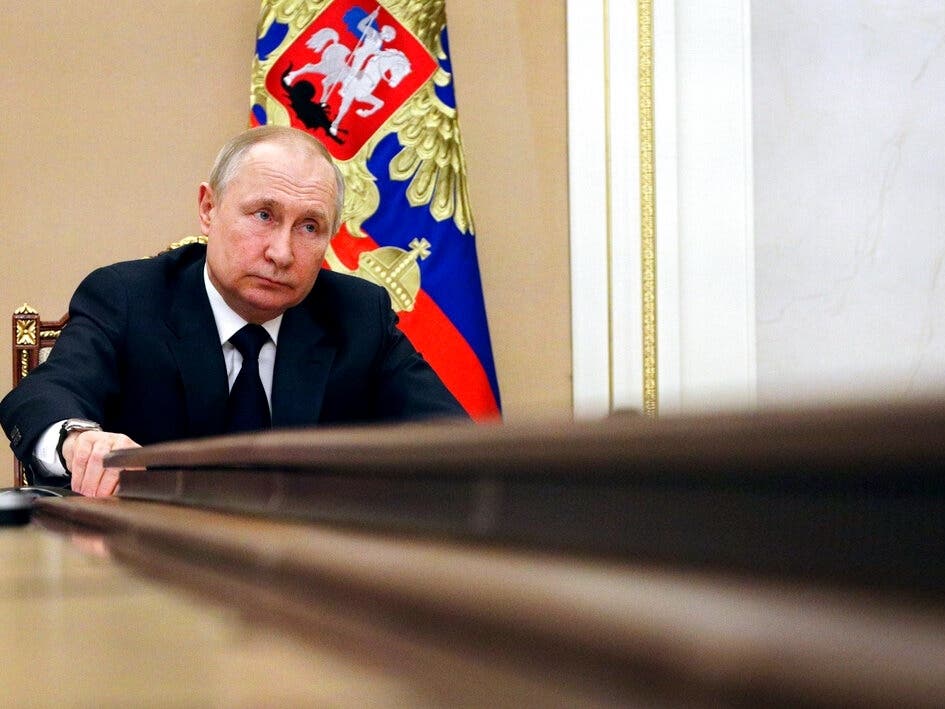
"New Jersey cannot and will not stand idly by as a tin-pot dictator invades the free and independent nation of Ukraine," Murphy said in a statement. "We are sending a strong message today to Vladimir Putin and his cronies in Belarus that their actions will not be tolerated."
New Jersey's actions follow U.S. sanctions including a recent ban on Russian oil and liquified natural gas and coal from Russia, NorthJersey.com reported. New Jersey's ban will be lifted when the U.S. sanctions end, according to the law.
Find out what's happening in Across New Jerseyfor free with the latest updates from Patch.
The United States and its allies took steps Friday to further isolate and sanction Russia for its war on Ukraine, revoking “most favored nation status” and cutting the flow of luxury goods to Russia.
In 2020, New Jersey imported $2.78 billion in goods from Russia, making it the 10th largest importer to the state, according to Michigan State University's International Business Center, citing U.S. Census data.
Under the new state law, state and local governments would be prohibited from doing business with Russia or Belarus or any businesses associated with their governments It also bans anyone who invests in Russian or Belarusian entities from a range of things like getting a state contract or receiving a tax break.
The law also prohibits the state from investing pension or annuity funds in a company owned or controlled by the government of Russia or Belarus, and any current holdings must be divested within two years. The state also cannot bank with, hold stock in, or have insurance through any bank tied to those governments.
"This is an international crisis we can influence here in New Jersey by supporting the courageous people of Ukraine," Sarlo said in a statement. "We can help cut off Russia’s finances and the profiteering of Putin and his oligarchs, including sanctions on tax breaks for developers. They obviously have no respect for human rights, but we can make them pay an increasingly heavy price for their actions."
President Joe Biden’s executive order also stopped the import of cocktail party staples like caviar from the Black Sea and other fish and seafood, Russian vodka and other alcoholic beverages, diamonds and other high-end goods.
Also, Biden said, the U.S. and its allies are continuing to add to the names of Russian oligarchs facing sanctions.
“The free world is coming together to confront Putin,” Biden said from the Roosevelt Room of the White House.
Without being specific, Biden said that “Russia would pay a severe price if they used chemical weapons” against Ukraine.
Stripping Russia’s most favored nation status allows the U.S. and its allies to impose crippling tariffs on some Russian imports, further isolating the Russian economy.
The broad shift in trade policy comes as Biden faces pressure at home from a bipartisan coalition of lawmakers and from Ukrainian President Volodymyr Zelenskyy to end what are known as “permanent normal trade relations” with Russia.
Earlier this week, Biden banned Russian oil and gas products, saying the United States would not subsidize Russian President Vladimir Putin’s war on Ukraine.
Biden announced the new sanctions as Russia widened its offensive in Ukraine, striking airfields in the west and a major industrial city in the east, while a huge armored column moved closer to the capital city of Kyiv.
The Associated Press contributed reporting.
Get more local news delivered straight to your inbox. Sign up for free Patch newsletters and alerts.