Politics & Government
Pandemic Emergency Food Stamp Benefits End For 857K NJ Residents
The average SNAP recipient in New Jersey will get about $90 a month less with the end of a pandemic-era program.


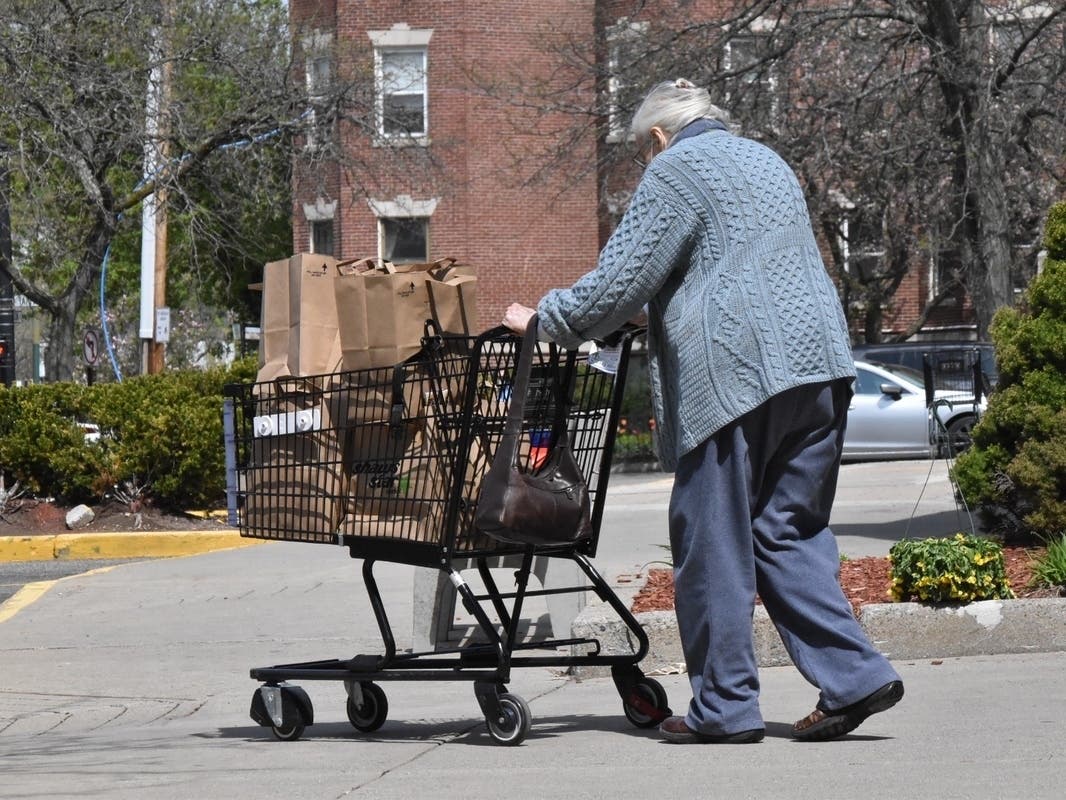
NEW JERSEY — More than 857,000 people in New Jersey who depend on federal food assistance to feed themselves and their families will face harder choices at the grocery store after the government’s pandemic-era emergency SNAP program ended Wednesday.
The move by the Agriculture Department, which manages the Supplemental Nutrition Assistance Program, comes as Americans are already paying about 11.3 percent more for groceries than they did at this time last year, according to the Labor Department’s most recent inflation report.
For the 31 million Americans who live in the 32 states and the District of Columbia who have received the SNAP emergency allotments, it means their monthly benefits will be reduced by an average of $182.
Find out what's happening in Across New Jerseyfor free with the latest updates from Patch.
The minimum monthly SNAP benefit in New Jersey is now $95, according to the state.
As the program ends in a number of states, SNAP benefits for some families could be reduced to $6 per person per day, The Washington Post reported.
Find out what's happening in Across New Jerseyfor free with the latest updates from Patch.
SNAP reached 41.2 million participants in the United States in fiscal year 2022, about one out of every eight people, according to the Center on Budget and Policy Priorities (CBPP) research and policy institute.
Last year in New Jersey, SNAP helped 857,300 residents, or nine percent of the population, according to a CBPP analysis of federal data. This included:
- More than 63 percent of participants in families with children
- More than 47 percent in families with members who are older adults or are disabled
- More than 44 percent in working families
And, a majority of families in the state receiving SNAP benefits have incomes below the poverty line, CBPP analysis shows.
In total, SNAP participants in New Jersey received $953.56 million in benefits in 2019, $1.29 billion in 2020, $2.17 billion in 2021, and $2.58 billion in 2022 (including temporary pandemic relief in 2020 through 2022), according to the CBPP.
Story continues below.
Benefits automatically adjust for the cost of living every October, increasing 12.5 percent in October 2022, but significant gains are quickly erased with persistently high food prices.
From Feb. 4-13, more than 25.5 million Americans lived in households where there was sometimes or often not enough to eat, according to the latest data available from Census Bureau’s latest Household Pulse Survey. In New Jersey, about 575,200 people were food insecure during that time period, data shows.
“People are making agonizing choices between whether to pay their rent, pay a medical bill, pay a credit card bill or buy food,” Vince Hall, the chief government relations officer for Feeding America, a nonprofit network of more than 200 food banks that provided more than 5 billion meals last year, told The Washington Post.
Families may be turning to their local food banks more, even as pantries nationwide remain under "immense strain," Hall told the Associated Press.
Food stamp recipients in 18 states have already seen their benefits return to normal levels after their state governments declined the extra food assistance, reasoning that pandemic assistance programs contributed to a worker shortage, according to a Pew Research study.
Overall, the SNAP program provides critical food assistance to about 41 million Americans. The program has kept about 4.2 million Americans out of poverty at the end of 2021, the latest year for which data is available, according to a study from the Urban Institute.
The study also found that states that were still offering the emergency food assistance had reduced poverty overall by 9.6 percent and child poverty by 14 percent.
Experts on food insecurity have long argued that SNAP benefits are historically too low. In 2021, the Agriculture Department updated its “Thrifty Food Plan,” the standard used to set SNAP benefits based on the cost of a nutritionally adequate diet, and that increased benefits by an average of $36 a month, a 21 percent increase.
Several Democrats have introduced legislation to boost SNAP benefits over time. They face an unfriendly battleground in the Republican-controlled House, where leaders plan to cut food stamp benefits and add more work requirements as part of a broader plan to cut government spending.
Anyone in need of food assistance may find a local food bank through the Feeding America network by clicking here.
Patch's national desk contributed to this report.
Get more local news delivered straight to your inbox. Sign up for free Patch newsletters and alerts.