Schools
When Do You Stop For A School Bus? Know The Law In New Jersey
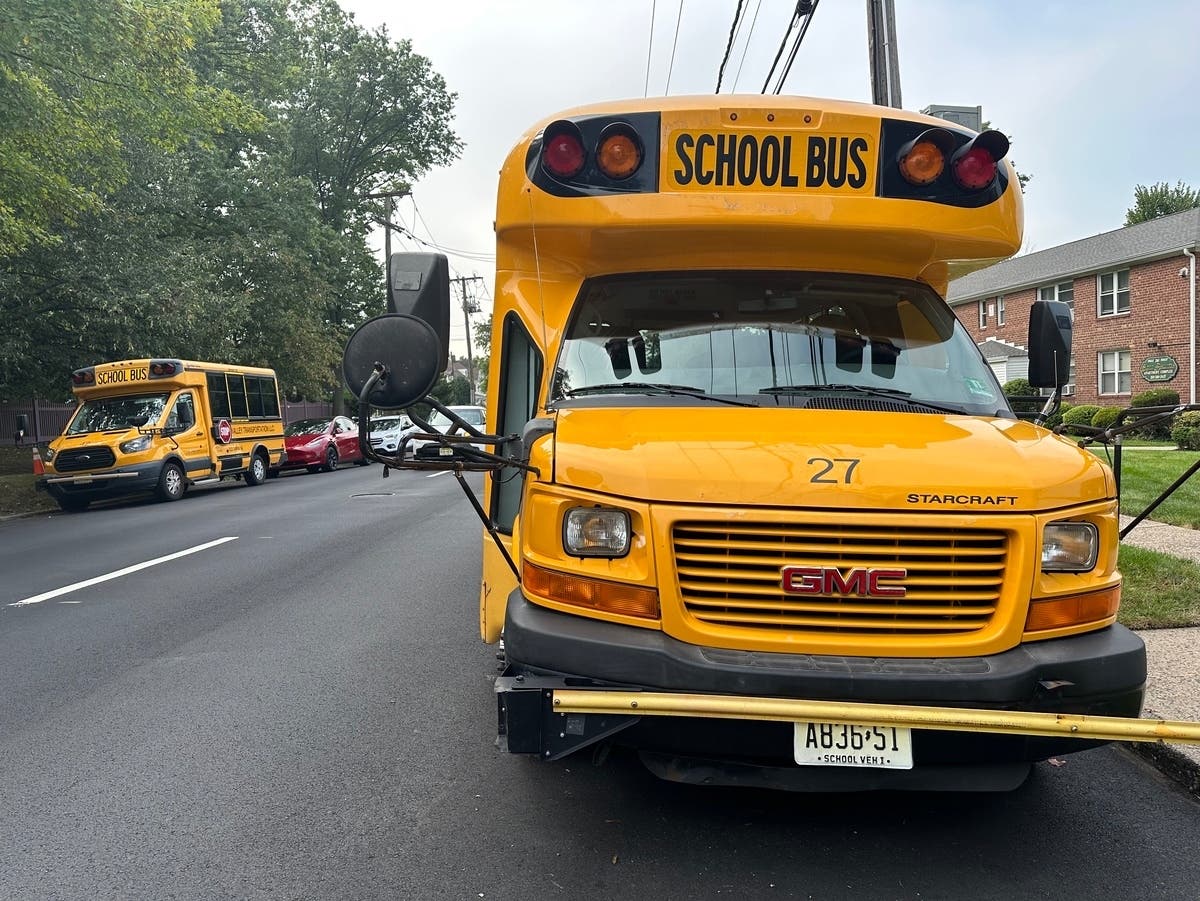
Do you know how far you have to stop behind a school bus in the Garden State? Brush up on state law as kids prepare to head back to school.


NEW JERSEY —As New Jersey schools are preparing to welcome students back to the classroom, motorists may be a bit rusty about what to do when they encounter a stopped school bus.
Every year, more than 25 million elementary through high school students get to and from school on buses, which travel about 5.7 billion miles in a single school year, according to the American School Bus Council.
When they ride the bus, they’re about 70 times more likely to arrive at school alive than those students who get to school by other means, according to the National Highway Traffic Safety Administration.
Find out what's happening in Across New Jerseyfor free with the latest updates from Patch.
There are dangers, though — notably when children get on and off the bus. When children are injured or killed, it usually happens when the school bus is stopped, the lights are flashing and the stop arm is extended, according to safety experts.
All 50 states and the District of Columbia require motorists to come to a complete stop any time they encounter a bus with its lights flashing and stop arm extended.
Find out what's happening in Across New Jerseyfor free with the latest updates from Patch.
In New Jersey, the law requires that drivers stop for school buses with red lights flashing. State law also requires that motorists stop at least 25 feet away if traveling on a two-lane road, a multi-lane highway where lanes are only separated by lines, or on a privately maintained road.
Motorists traveling on a dual-lane highway should slow to 10 miles per hour if on the other side of a raised median or island. Drivers are not to proceed until red signal lights are turned off, and even then, must watch for children.
Those who violate the law are subject to a $100 fine, and up to 15 days in jail or up to 15 days community service for a first offense, a government safety brochure said. For subsequent offenses, violators can receive a $250 fine or more and up to 15 days in jail. Five demerit points are added to a driver's record for each offense.
Despite laws, transportation officials estimate that about 42 million times every year, motorists pull around the legally stopped school buses, risking the lives of children as they get on and off.
An average of six students a year died while attempting to board or get off their school buses from 2012 to 2021, according to the most recent National School Bus Loading and Unloading Survey.
The report from the National Association of State Directors of Pupil Transportation Services didn’t discuss injuries and near misses, but safety experts say those numbers are much higher than the count of children who are killed.
While all states require a complete stop when the stop arm is extended, there are nuances. Most require other motorists to stop regardless of their direction, unless there’s a median separating lanes of traffic. And about half of states allow local governments or school districts to use cameras to capture images and issue tickets for drivers illegally passing stopped school buses, not including New Jersey.
In a single day in 2017, more than 104,000 school bus drivers observed nearly 78,000 instances in which motorists illegally passed stopped school buses, according to the National Conference of State Legislatures. At that rate, the tally for the entire school year would be around 14 million violations.
Another National Highway Traffic Safety Administration report found that from 2006-2015, 102 pedestrians under 18 were killed in school-transportation-related crashes.
Increasingly in recent years, state legislatures have adopted policies to improve bus safety. Along with the camera push, a requirement for seat belt use on school buses are keystone policies.
NHTSA data also shows that an average of six student passengers die a year in school bus crashes. The agency recommended in 2018 that states adopt legislation requiring passenger lap and shoulder belts on all new large school bus purchases.
Eight states, including New Jersey, have adopted policies requiring seat belts on new bus purchases.
Get more local news delivered straight to your inbox. Sign up for free Patch newsletters and alerts.