Politics & Government
Barnegat to Receive $37,000 Clean Communities Grant for Littler Cleanup
The annual grant is given to each New Jersey county and municipality with more than 200 homes.
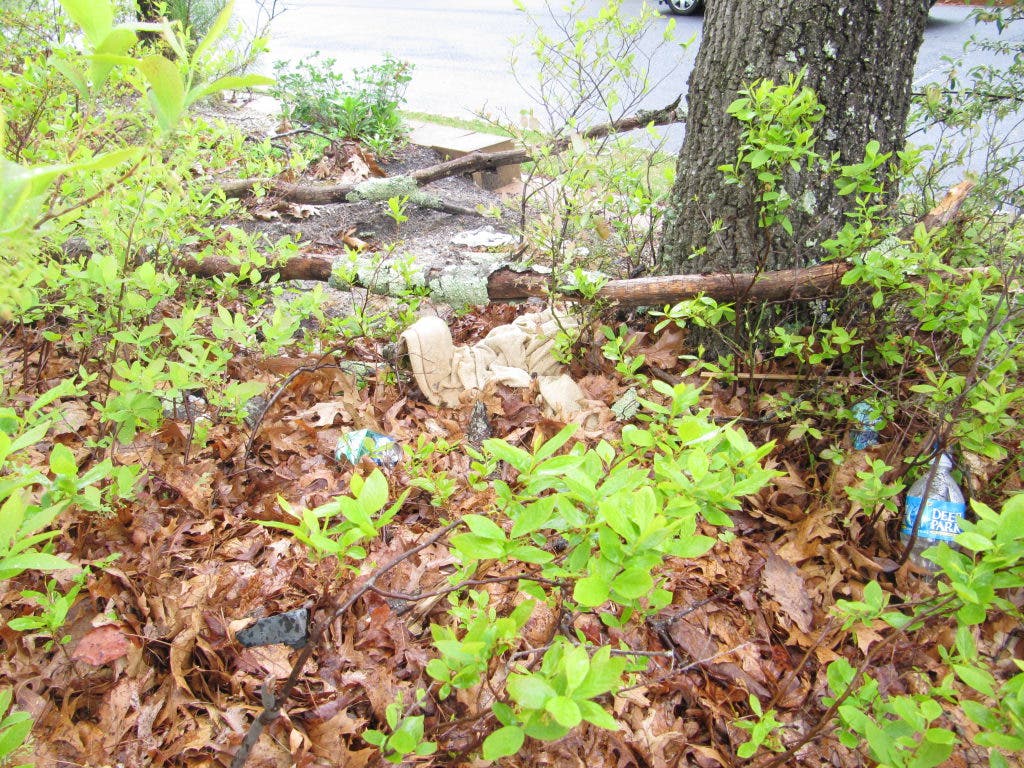
Barnegat Township received an annual Clean Communities grant again this week from the New Jersey Department of Environmental Protection.
The grant, in the amount of $37,269.66 to go toward litter and graffiti removal initiatives, including cleanups of public properties, adoption and enforcement of local anti-littering ordinances, beach cleanups, public information and education programs, purchases of equipment used to collect litter, litter receptacles and recycling bins, anti-litter signs, supplies to remove graffiti and cleanups of stormwater systems that can disperse trash into streams, rivers and bays.
The DEP awarded a total of $13.86 million to 559 eligible municipalities. Seven municipalities in New Jersey are not eligible because they have fewer than 200 housing units, the DEP said in a press release.
Find out what's happening in Barnegat-Manahawkinfor free with the latest updates from Patch.
An additional $1.73 million was awarded to all 21 counties, with Ocean County receiving $160,448.75, which is the highest Clean Communities award of any of the other counties in New Jersey.
"The state has allocated Clean Communities grants for at least the past 20 years, so the funding is already incorporated into the budget," Barnegat Township Administrator David Breeden said. "Whether repairs to the street sweeper, picking up litter or general township-wide clean up, the funds are used to offset the cost of cleaning the growing community."
Find out what's happening in Barnegat-Manahawkinfor free with the latest updates from Patch.
"On a community level, litter and trash can be a real detriment – it’s unsightly and it kind of hurts the community’s self-esteem," said New Jersey DEP spokesman Lawrence Hajna when speaking about the importance of Clean Communities funding.
The are funded by a legislated user-fee on manufacturers, wholesalers and distributors that produce litter-generating products.
"It's a very small fee," Hajna said.
Disbursements to municipalities are based on the number of housing units and miles of municipally owned roadways within each municipality. Disbursements to counties are based on the number of miles of roads each county owns.