Politics & Government
Officials, Employees Still At Odds Over Pension and Benefit Reform Following Assembly Vote
One local PBA members says a legal battle is next

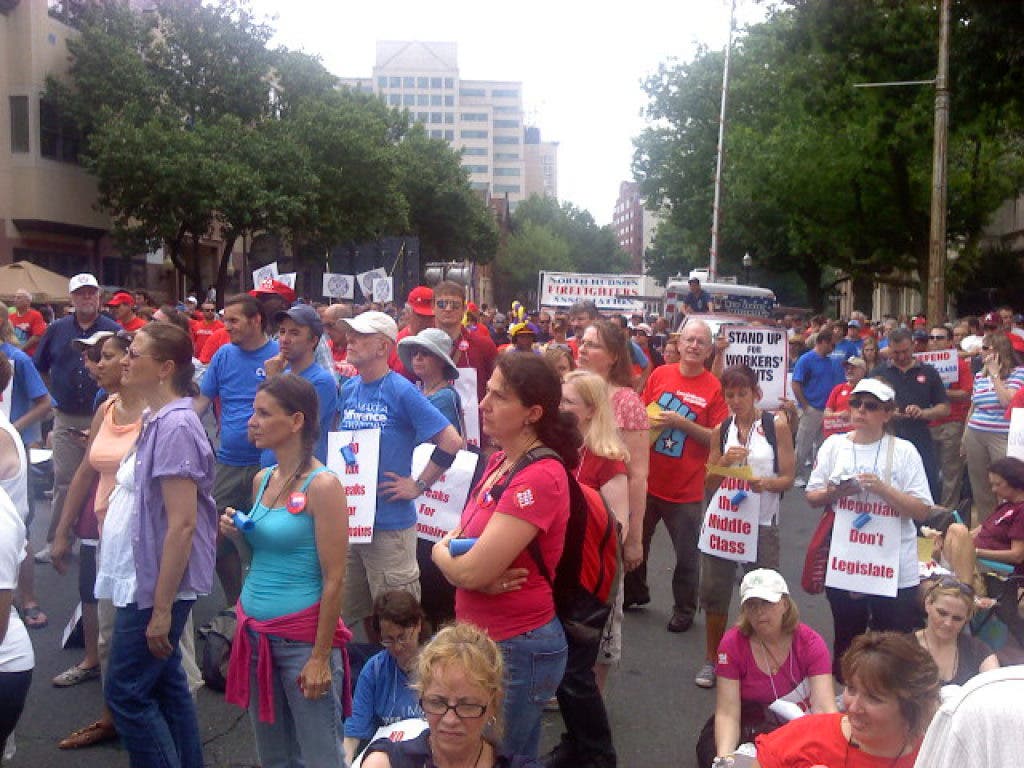


After a week of protests in Trenton, the . The legislation now heads to Gov. Chris Christie’s desk for signing, but the controversial new measures are still being debated locally.
Republican State Sen. Christopher J. Connors, who voted for the Senate version of the bill Monday, said the cutbacks are the right move for the state.
“It didn’t take a prophet to predict we would be in the circumstances we’re in today, given the state’s poor fiscal climate and business climate over the years,” Connors said.
Find out what's happening in Barnegat-Manahawkinfor free with the latest updates from Patch.
Requiring employees to pay more was “unfortunately a necessary action” to ensure that the pension systems remain healthy enough to provide the payouts promised to public workers, he said.
“Every actuary comes up with the same thing: that the pension systems are collapsing, that the benefit levels being paid cannot be sustained,” he said.
Find out what's happening in Barnegat-Manahawkinfor free with the latest updates from Patch.
Connors said he’s stepped up to the plate for public workers in the past, approving increases in benefits and pensions. This week, he said, the legislature had to act to make sure those benefits will be available when workers retire.
But Patrolman Chris Ebert of the Barnegat Township Police Department, who serves as a local delegate to the Policemen’s Benevolent Association, said public servants are shouldering the pain for problems they didn’t cause.
Ebert said if the pension system is a mess, it’s not the fault of the public workers who have been faithfully paying into it for years. The fund was solid until the state started dipping into it for other uses, he said.
“The employees never missed a payment,” said Ebert. “Townships were allowed to miss payments to the states and never put it back in. In the private world, these guys would be in jail. But now we have to pay for it.”
And the state simply doesn’t have the right to step in and suspend collective bargaining when it comes to municipal employees negotiating their medical benefits with employers, he said.
“The state is not an interested party,” he said and the PBA intends to make a legal challenge. “This is going to be a years-long battle in the courts,” he said.
But Connors said the fact that the Legislature has statutorily bestowed benefits in the past gives it the right to cut back.
“There is a precedent for the state to do things in the interest of fairness,” he said. “I guess in a perfect world, we’d like to think all these things could have been negotiated, but it’s hard enough negotiating compromise within the Legislature itself, let alone everyone else. There are a lot of hands in the process.”
Connors also pointed to what hadn’t changed. The retirement and early retirement ages are the same, he said, as is the 9 percent enhanced pension benefit granted a decade ago. And the changes will allow the Legislature to keep promises made to New Jersey’s longest-serving workers, he said.
“People who are coming into the system right now won’t have the same benefits, but there’s and effort to protect those in the system.”
The reforms will mean significant savings for the state in years to come, he said – eventually.
“The immediate savings to the system is not significant in the first year or two years, but once the impact of the reforms are fully felt, we’re talking about tens of billions over the course of the next 20 years,” said Connors.
The cuts are necessary, he said, but it was “unsettling” voting in favor of a bill he knew was a major cause for concern among many.
“You’d like to give everything to everybody, but you can’t,” he said.
But Ebert said the state inserting itself into collective bargaining agreements between workers and municipalities isn’t the answer.
“I don’t know how they decide that on their own – what’s fair and what’s not,” he said.
He does know the local impacts of the bills will be real. Ebert said that from where he stands, the cuts add up to $700 a month out of police paychecks.
“Already people are talking about getting part-time jobs just to pay for this,” he said.
Ebert said long-term, he thinks more people will decide the risks and difficulties of being a police officer – and there are many – will outweigh the benefits.
Barnegat Mayor Jeffrey Melchiondo agreed that the Legislature’s solution to the pension and benefits problems it faces was going to be hard on some people. The state should have fixed its problems long ago, he said.
Still, “I think that the governor and Legislature are doing what they have to do to put New Jersey on the right path,” Melchiondo said. It might be an unpopular decision with some, he said, “but we need to do what is right for the future of New Jersey. Our kids, our grandchildren – those are the people we need to think about.”
Ebert said the fight isn’t over, despite what he said was a disheartening week spent trying to combat the bills.
He has made a point of showing up in Trenton to rally for public workers’ benefits in the past, but this time, he said, when he stood in the Senate chambers Monday and listened to the votes, it was different. Good arguments fell on deaf ears, he said.
“We kind of felt like we were powerless. We knew this was going to get passed anyway. No matter how many people we had filling the halls, we knew exactly what was going to happen that day.”
But it was important to make sure legislators knew what the stakes were, he said – especially the ones up for re-election in the fall.
“We still had to go, we still had to show our faces and get out there and let them know we’re here. And come November, we’re still going to be here.”
Get more local news delivered straight to your inbox. Sign up for free Patch newsletters and alerts.