Community Corner
Phragmites: The Invading Alien on Our Shores
Unwelcome invasive is a more-than-common sight in New Jersey wetlands.

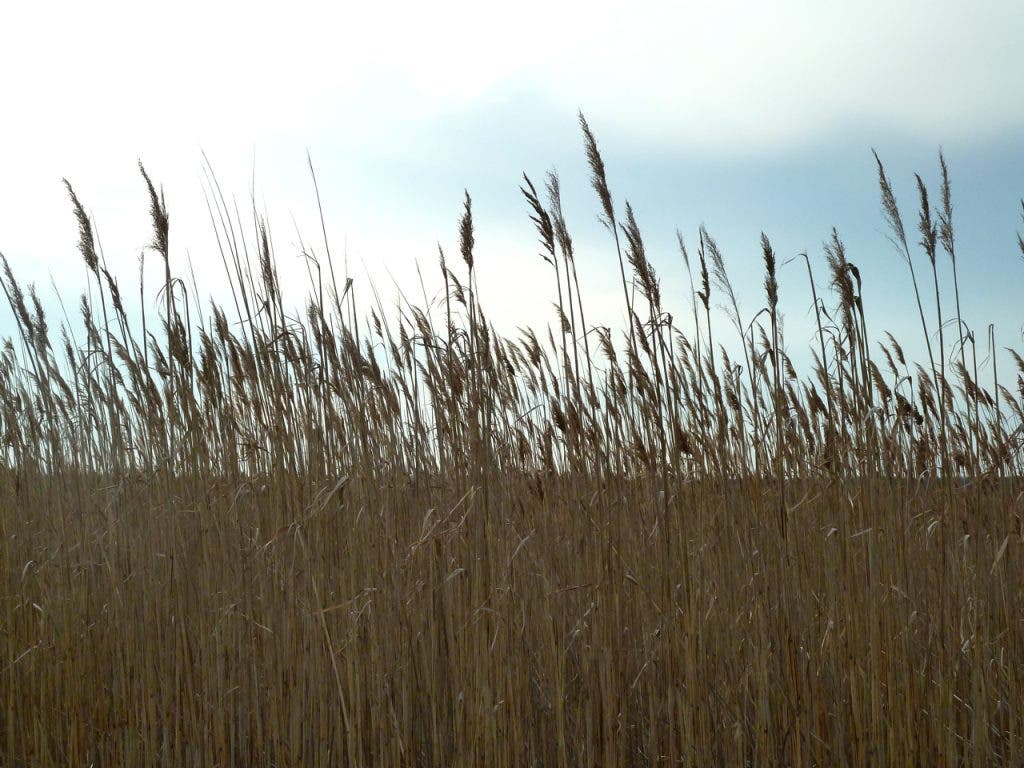

Our most common coastal plant is so common, most people just overlook it as part of the landscape. But Phragmites wasn't always woven into our wetlands.
What it is: You know Phragmites australis, and know it well.
If you’ve ever visited a New Jersey bay or wetland, or even driven through the Meadowlands, you’ve seen it. Lots of it.
Find out what's happening in Barnegat-Manahawkinfor free with the latest updates from Patch.
Phragmites, also known as common reed, is ubiquitous worldwide. The highly adaptable aquatic plant can tolerate salt or brackish water in a huge variety of climates, from the chilly British Isles to the tropics of southeast Asia.
One subspecies has apparently grown in North America for eons. If the only Phrag on our shores was native Phrag, ecologists would probably have only nice things to say about the reed.
Find out what's happening in Barnegat-Manahawkinfor free with the latest updates from Patch.
As it is, the Phragmites we see in New Jersey is nearly all a different subspecies, a European variety whose seeds once upon a time traveled across the Atlantic in ships' ballast.
It’s almost indistinguishable from its American cousin; to tell them apart, you’d need a powerful magnifying glass and, probably, a degree in plant science.
But there’s a big difference: European Phragmites is highly vigorous in our coastal environment. The dense reed mats can spread by almost 20 feet a year here by sending out runners that drop roots. Those roots excrete a compound toxic to other plants – including native Phrag.
As a result, the invader has choked out many of our native wetland species, and has altered the coastal environment here drastically.
Rumor is, there’s only a tiny patch of the americanus subspecies left in New Jersey – and the naturalists keeping an eye on it won’t tell you where it is.
Where to find it: Literally everywhere the water meets the land. Phragmites can grow equally well in damp, sandy soil as in flooded brackish areas. It’s unmissable, simply because it’s often the dominant plant in the landscape.
The Forsythe National Wildlife Refuge’s many protected stretches of coastal land in Ocean and Atlantic counties are choked with the reed. The only effective way to eradicate it is to burn it – repeatedly. The de-Phragging is done regularly at Forsythe’s Brigantine division.
Why bother: Not every plant growing in our beautiful natural areas is one that’s universally loved, and it’s good to be able to tell friend from foe.
On the other hand, just because Phragmites is hated by coastal ecologists doesn’t mean it lacks beauty altogether. Invasive it may be, but it’s hard not to admire it’s fierce adaptability. And like it or not, it’s become something of a symbol of our wetland environments.
Get more local news delivered straight to your inbox. Sign up for free Patch newsletters and alerts.