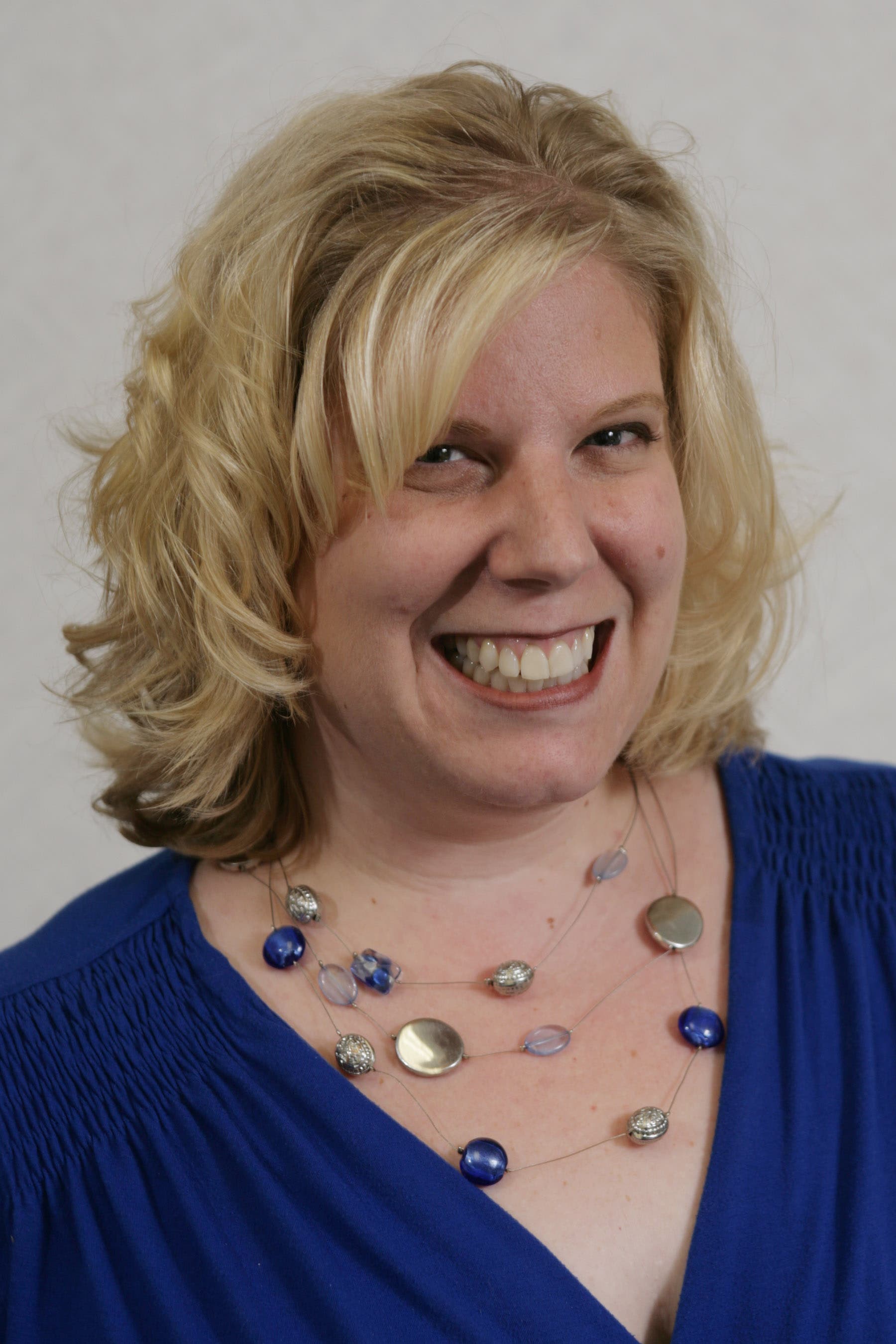
By Kathleen R. Holterman, M.S. CCC-SLP, BCS-S, Clinical Supervisor of Speech and Hearing at Robert Wood Johnson University Hospital Somerset
Sometimes food can be hard to swallow. When this happens, specialized speech language pathologists (SLPs) step in. The condition, dysphagia, is a chronic set of symptoms that impair the ability to swallow food or liquids. SLPs, who are trained in speech, language, voice and swallowing rehabilitation, often treat dysphagia after patients sustain nerve damage, cancer or surgery on the head, neck or throat. Because dysphagia can lead to poor nutrition, dehydration and more serious conditions like pneumonia and chronic lung disease, we have compiled this short guide on identifying and treating the symptoms in honor of Better Hearing and Speech Month.
Find out what's happening in Basking Ridgefor free with the latest updates from Patch.
Symptoms of Dysphagia
· Choking when eating
Find out what's happening in Basking Ridgefor free with the latest updates from Patch.
· Coughing or gagging when swallowing
· Pain while swallowing
· Sensation of food getting stuck in the throat or chest, or behind the breastbone
· Unexplained weight loss
· Bringing food back up (regurgitation)
· Difficulty controlling food in the mouth
· Difficulty initiating swallowing (gulping action)
· Recurrent pneumonia
Diagnosis
Speech pathologists with a subspecialty in swallowing will examine the strength and movement of the muscles involved in swallowing and observe posture, behavior and movements during eating and drinking to diagnose dysphagia. They may also use special diagnostic tests such as modified barium swallow (MBS), during which a patient eats food or drinks liquid with barium in it. This allows for swallowing to be viewed via an X-ray. There is also the option for a Fiberoptic Endoscopic Evaluation of Swallowing (FEES) during which a lighted scope is inserted through the nose so that the patient’s swallow can be viewed on a screen.
Treatments
If you have a sudden or gradual change in your ability to swallow, you should consult with your physician. You may be referred to an otolaryngologist and a speech-language pathologist. If a stroke or other neurologic disorder is suspected, you may be referred to a neurologist.
After a referral, speech pathologists will develop a specialized rehabilitation program depending on the patient’s symptoms and diagnosis. Treatment may include exercises to improve muscle movement or strategies to promote more effective swallowing techniques.
If you would like more information regarding speech, language and/ or hearing, or to make an appointment for an evaluation, please contact RWJUH’s Speech and Hearing Department at 908-685-2946 for the Somerville campus or 732-937-8655 for the New Brunswick campus. For more information, visit http://www.rwjrehab.com/.