Health & Fitness
Eat Your Way to A Healthy Heart
RWJUH Provides Heart Healthy Culinary Tips for Heart Health Month

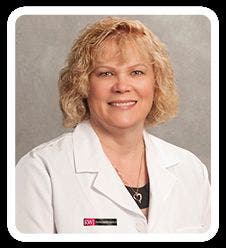
By: Laura Micek-Galinat, MD, MPH, FAAFP, DABOIM, CCMS/ Assistant Director, RWJUH Somerset Family Medicine Residency
For many, February conjures up love, hearts and the color red, which makes sense because in addition to Valentine’s Day, which falls on the 14th, the month is designated as “Heart Health Month.” Now that New Year’s resolutions are setting in and dieting is still top-of-mind, this is a good time to think about eating for cardiovascular health. Before making up the new diet plan, there are a couple of things to understand.
According to the American Heart Association, 80 million Americans have cardiovascular disease, which kills around 2,300 Americans every day. Cardiovascular disease accounts for one out-of-every three deaths, and costs more than $475 billion a year. This sobering information should be viewed as a warning.
Find out what's happening in Basking Ridgefor free with the latest updates from Patch.
The fact is that the majority of cardiovascular disease can be prevented through altering diet and lifestyle. With a little knowledge about lifestyle components, risk factors and foods, you can make choices that promote a healthy heart whether or not you have or are prone to cardiovascular disease.
Know Your Numbers (Lifestyle Components) and Risk Factors
Find out what's happening in Basking Ridgefor free with the latest updates from Patch.
Only 0.1% of people over the age of 60 possess six or more ideal health components, and only 9.1% between 12-19 years of age have an ideal cardiovascular profile. Knowing where you stand is important and your healthcare provider can help you understand your numbers. Here are lifestyle components to use as a baseline:
- Total Cholesterol count less than 200
- Blood Pressure (BP) reading less than 120/80
- Fasting Blood Sugar level (FBS) less than 100
- Do not smoke
- Stay active
- Maintain a healthy weight
- Meet diet goals that include carbs, fat and protein at every meal
Your individual lifestyle components only tell part of the story, but when compared to cardiovascular disease risk factors, you’ll be better equipped to begin the process of changing old habits to improve your health. Metabolic syndrome is a group of risk factors that contribute to heart disease, diabetes and stroke. One meets the criteria for metabolic syndrome by having three out-of-five factors, which include: a large waistline, high triglycerides (fat in blood), low HDL (good cholesterol), high BP, or high FBS. Today about 34% of Americans and one-in-ten children meet the criteria for metabolic syndrome. If we want to have a healthy life, it is crucial to improve eating habits and make lifestyle changes.
Food and Lifestyle Choices
Changing old habits can be challenging, but small steps lead to big improvements. Eating for cardiovascular health is a formula:
- Aim for variety
- Include as much fresh food as possible
- Minimize processed foods and fast foods
- Eat lots of fruits and vegetables
- Include 40-50% carbs, 30% fat and 20-30% protein at every meal
- Hydrate by drinking 6-8 glasses of water each day
- Enjoy an occasional glass of red wine or grape juice
This is where it gets a little confusing; which diet is for me? There are many diets available that have proven results, but finding the one that is right for you can be challenging. No matter the diet you choose, keep the following tips in mind and you will be on your way to eating for cardiovascular health.
A brief breakdown of the three components to include in your diet:
- Carbohydrates (40-50% at every meal)
- 4-5 servings of vegetables a day (dark leafy greens, broccoli, cauliflower, sweet potatoes, squash)
- 3-5 servings of fruit a day (apples, pears, berries, grapefruit, oranges, red grapes)
- 3-5 servings of whole grains a day (high fiber is good)
- Limit pasta to 2-3 servings a week (organic, whole grain, high fiber or rice noodles)
- Read labels and eliminate high fructose corn syrup
- No soda
- Fat (30% at every meal)
- 5-7 servings a day (e.g. 1 tsp. oil, 2 walnuts, 1 Tbsp. flax seed & 1/5 avocado)
- Limit saturated fat (butter, cream, cheese, shortening, fatty meats)
- Use EVOO (extra virgin olive oil), Canola or sunflower oils, nuts and nut butters
- Avocados, seeds and cold water fish are good fat sources
- Protein (20-30% at every meal)
- 2-6 servings of fish per week (wild salmon, trout, tuna, herring, sardines, black cod)
- 1-2 servings of animal protein per week (organic chicken & eggs, grass-fed lean meats)
- 1-2 servings of dairy per week (organic cheeses, low fat yogurt, skim milk)
- 1-2 servings of beans a day (peas, lentils, peanuts, kidney)
- 1-2 servings of whole soy a day
Overwhelmed? Don’t be. These tips are geared to help you understand your personal health picture as well as encourage you to begin a process that will lead to diet and lifestyle changes that will promote a healthy heart.
To make an appointment for a culinary medicine and integrative health consultation with Dr. Micek-Galinat, contact 908-685-2900. RWJUH Somerset’s Family Practice Center is located at 110 Rehill Ave., Somerville. To learn more about RWJUH, please visit www.rwjuh.edu. For a referral to a physician affiliated with RWJUH, please call 1-888-MD-RWJUH. Follow us on Twitter at www.rwjuh.edu/twitter and Facebook at www.rwjuh.edu/facebook.