Health & Fitness
Every Second Counts: Act F.A.S.T. When Stroke Strikes
In the United States, stroke afflicts one of us every 40 seconds

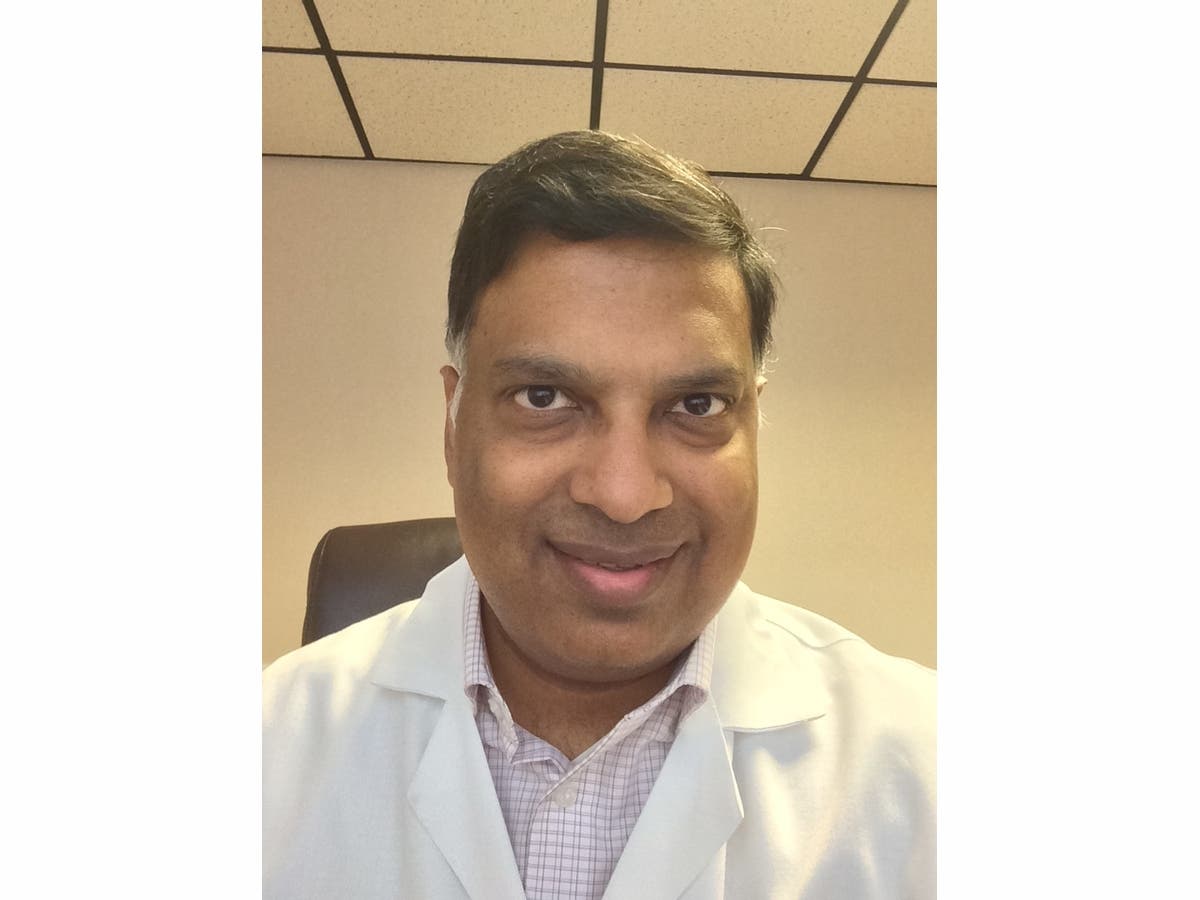
Srini Potluri, MD, Director of The Primary Stroke Center at Robert Wood Johnson University Hospital Somerset
In the United States, stroke afflicts one of us every 40 seconds. Striking someone fatally every four minutes, it is now the fifth leading killer in the United States, claiming more than 130,000 lives a year according to the CDC. Despite these alarming statistics, many of us are not familiar with the dangers and debilitating effects strokes can have on our lives. I urge everyone to learn about the symptoms and signs of a stroke, get screened for risk factors for stroke and to educate themselves on how they can lower their risk of both having a stroke and minimizing the effects of a stroke if one is afflicted by it.
A stroke usually occurs when when a clot blocks the blood supply to the brain or when a blood vessel in the brain bursts. About 87% of all strokes are ischemic strokes, in which blood flow to the brain is blocked. The rest are hemorrhagic strokes, when a burst blood vessel leaks blood into the brain. Recognizing the symptoms and signs of a stroke as early as possible so that medical care can be sought and initiated quickly can make a big impact on recovery.
Find out what's happening in Basking Ridgefor free with the latest updates from Patch.
There are many warning signs associated with a stroke including sudden onset of numbness or weakness of the face, arm or leg, confusion, vision trouble, dizziness and severe headache. When a stroke strikes it’s critical to act fast since quick treatment is essential to increase the chances of survival and recovery. The acronym, B.E.-F.A.S.T., is an easy way to remember the warning signs of a stroke. If you see someone suffering from these symptoms, be sure to call 9-1-1 for help right away:
Find out what's happening in Basking Ridgefor free with the latest updates from Patch.
Balance: Ask the person if she is feeling dizzy or unsteady.
Eyes: Ask the person if she is loss of vision or double vision.
Face: Ask the person to smile. Does one side of the face droop?
Arm: Ask the person to raise both arms. Does one arm drift downward?
Speech: Ask the person to repeat a simple sentence. Can he/she correctly repeat the sentence? Does the speech sound garbled or slurred?
Time: If the answer to any of the above is yes, it is time to call 911 immediately to get the person to the emergency room quickly. Stroke patients only have a four-and-a-half-hour window from onset of symptoms to be treated with an intravenous clot busting drug in the case of ischemic stroke. Be sure to check the time so you can tell the doctor when you first noticed the symptoms, as this information will affect treatment decisions.
In addition, it’s important for individuals to talk to their doctor and understand and manage the many health and lifestyle factors that can decrease the risk of stroke. To lower your risk, don’t smoke; manage alcohol intake; manage and monitor your blood pressure and cholesterol; exercise regularly; and maintain a healthy diet.
The Stroke Centers at RWJUH New Brunswick and Somerset offer exceptional care from diagnosis through discharge. The Comprehensive Stroke Center at RWJUH New Brunswick is staffed 24-hours-per-day, seven-days-per-week by the Code Stroke Response Team to quickly diagnose and treat strokes no matter the time of day. Treatment options available include rapid administration of medication such as tPA, endovascular procedures using catheters inserted into the brain, neurosurgery, rehabilitation and counseling. All staff members are trained in stroke care, including neurologists, neuro-radiologists, neuro-surgeons, emergency medicine physicians, radiologists, speech pathologists, physical therapists, occupational therapists, nurses, social workers and EMTs.
RWJUH Somerset provides quality care through the Edward and Anita Hogan Neuroscience Pavilion, featuring state-of-art technology, therapy and dedicated rehabilitation rooms, placing everything a stroke patient needs under one roof for primary stroke care. TeleStroke services at the Somerset campus ensure that stroke patients are evaluated by a neurologist quickly and receive timely diagnosis and treatment. Coordination between RWJUH Somerset and RWJUH New Brunswick ensures that the appropriate treatment options are made available to all patients, and that patients requiring a higher level of care and complex procedures are identified immediately and transferred quickly to RWJUH New Brunswick. RWJUH New Brunswick offers community education through regular classes and conducts clinical research to gain a further understanding of stroke prevention and treatment. Support groups for stroke victims and their families are offered at both RWJUH New Brunswick and Somerset.
RWJUH New Brunswick is certified as a Comprehensive Stroke Center through the New Jersey Department of Health and Senior Services. RWJUH Somerset is certified as a Primary Stroke Center by The Joint Commission and the New Jersey State Department of Health and Senior Services. For more information on stroke care at RWJUH, visit http://www.rwjuh.edu/rwjuh/the-stroke-center.aspx.