Health & Fitness
Every Second Counts: Stopping Stroke Before It Strikes
Know the warning signs of a stroke so you can act quickly.

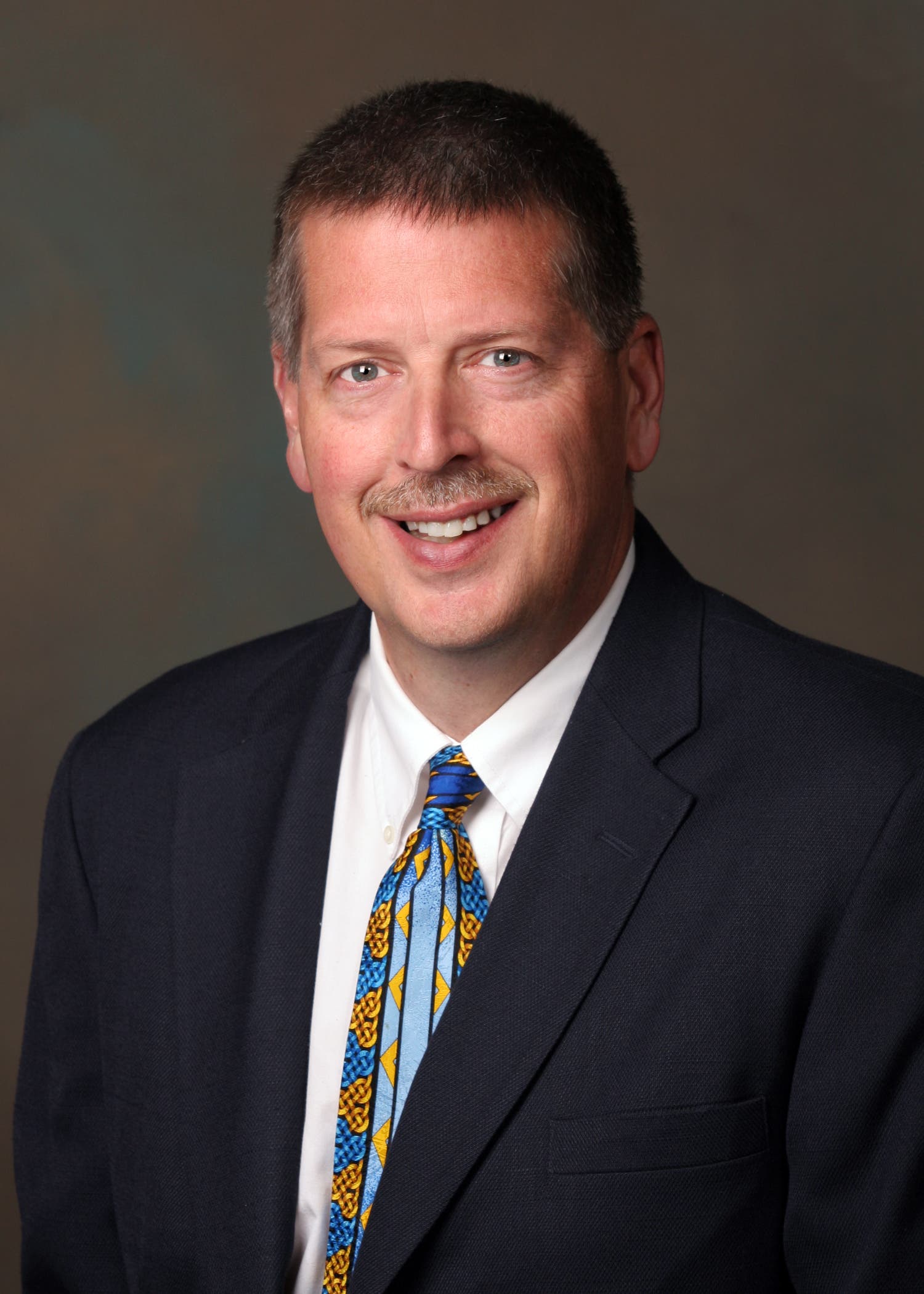
By Ray Bennett, RN, SCRN, CEN, CFRN, CTRN, NRP, Stroke Coordinator, The Comprehensive Stroke Center at Robert Wood Johnson University Hospital New Brunswick
Claiming over 133,000 lives each year, stroke is the fourth leading killer and is the leading cause of serious and permanent adult long-term disability in the United States. Despite these alarming statistics, many people are not familiar with the dangers and debilitating effects strokes can have on their lives. This sudden attack, which can happen to anyone at any time, occurs when blood flow is cut off to an area of the brain. With permanent brain damage possible within just minutes, it is important to recognize the warning signs and seek help immediately when someone is experiencing a stroke. This May, during National Stroke Awareness Month, Robert Wood Johnson University Hospital (RWJUH) is sharing ways to prevent and prepare for this life-threatening emergency.
The Warning Signs
Find out what's happening in Basking Ridgefor free with the latest updates from Patch.
Stroke symptoms occur suddenly. You or a loved one may be experiencing a stroke if exhibiting one or more of the following symptoms:
· Sudden onset of numbness and/or weakness of the face, arm and/or leg, especially on one side of body
Find out what's happening in Basking Ridgefor free with the latest updates from Patch.
· Sudden onset of confusion, trouble speaking and/or understanding
· Sudden onset of trouble seeing in one or both eyes
· Sudden onset of trouble walking, dizziness, loss of balance and/or decreased coordination
· Sudden onset of severe headache with no known cause
The acronym, F.A.S.T., is an easy way to remember the warning signs of a stroke and the importance of acting quickly.
· Face drooping: One side of the face may droop or feel numb.
· Arm weakness: The person’s arms may feel weak and drift down when lifted.
· Speech difficulty: Sufferers of stroke may have slurred speech or be difficult to understand.
· Time to call 9-1-1: Be sure to call 9-1-1 and get the individual exhibiting these symptoms to the hospital immediately. Note the time at which you started noticing signs so you can tell the physician when the first symptoms became evident. The sooner someone suffering from a stroke receives treatment, the better.
Who’s at Risk
Those who are elderly, African American, female or have a family or medical history with certain heart conditions are among the most at-risk populations. Although these factors can’t be changed, lifestyle adjustments can greatly reduce the risk of stroke. Refraining from smoking, managing alcohol intake, maintaining blood pressure and following a healthy diet are among some of the best preventative measures that can be taken.
Robert Wood Johnson University Hospital is recognized as one of six Comprehensive Stroke Centers in the state of New Jersey. The RWJUH Stroke Center offers physicians, surgeons, nurses and therapists who are specialized in stroke care to provide the most comprehensive treatment available around-the-clock. For more information on stroke care at RWJUH, visit http://www.rwjuh.edu/rwjuh/the-stroke-center.aspx.