Health & Fitness
Parkinson's Disease and Rehabilitation
Coping with Symptoms Using Occupational Therapy

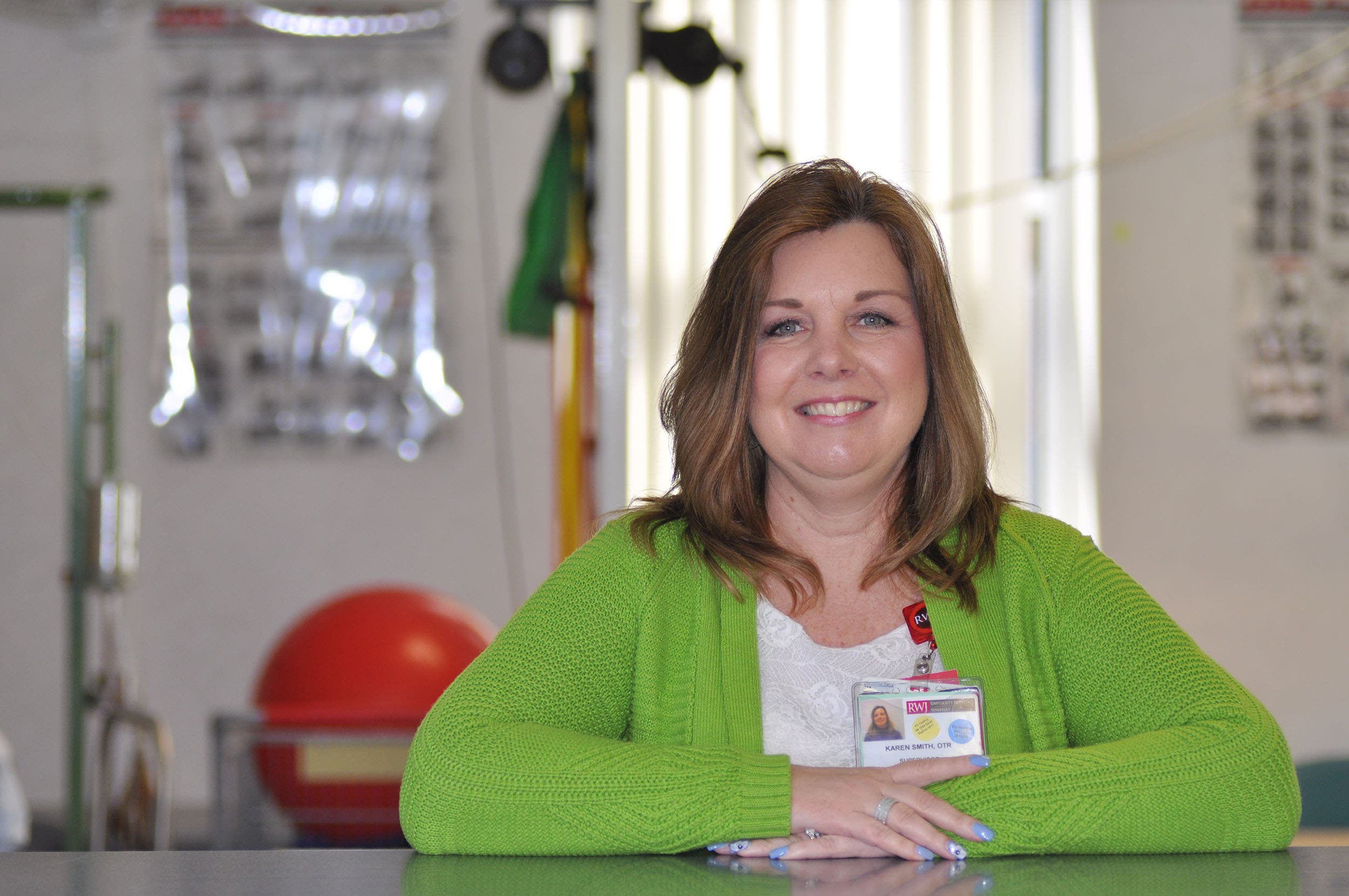
By: Karen Smith, Clinical Supervisor of Occupational Therapy at Robert Wood Johnson University Hospital Somerset
For sufferers of Parkinson’s disease, taking things slow may seem like the only option, but it doesn’t have to be. Parkinson’s is a degenerative disease which affects the production of neurotransmitters involved in movement control and coordination. As the production of this neurotransmitter, called dopamine, gradually decreases, many patients experience a loss in motor control and pain, tightness or weakness.
Some of the motor signs and symptoms of Parkinson’s disease include:
Find out what's happening in Basking Ridgefor free with the latest updates from Patch.
· Resting tremor
· Slow movement (bradykinesia)
Find out what's happening in Basking Ridgefor free with the latest updates from Patch.
· Rigidity
· Instability
· Hesitation while walking (freezing)
· Shrinkage in handwriting
· Decreased facial expression
· Unwanted accelerated speech or actions
Non-motor symptoms include:
· Loss of sense of smell
· Mood and sleep disorders
· Low blood pressure when standing up
· Digestive issues
· Cognitive issues such as confusion and slowed thinking
If you or a loved one exemplifies any of these symptoms, consider seeing a physician. There is currently no cure for Parkinson’s disease, but a physician can refer you to the appropriate form of treatment to help relieve the symptoms.
Rehabilitation in the form of occupational therapy is often used as a way to help treat the disease and help individuals cope with symptoms. These treatments help patients learn about new movement techniques to compensate for changes in function and movement. Physical therapists will help patients strengthen and loosen muscles, with an ultimate goal of reducing motor issues such as instability, immobility and pain to improve quality of life.
Robert Wood Johnson University Hospital (RWJUH) offers a variety of therapies and programs for patients coping with Parkinson’s disease at both the Somerset and New Brunswick campuses. LSVT Loud®, offered at RWJUH New Brunswick, improves vocal loudness and intelligibility by stimulating the larynx with a series of exercises. LSVT BIG® offered at RWJUH Somerset, uses the same techniques, but works on restoring limb and body movement. Paired with deep brain stimulation and exercise group sessions offered at the RWJ Fitness & Wellness Center in New Brunswick, many patients see a drastic improvement in the quality of life.
For more information about Parkinson’s disease, occupational therapy and other rehabilitation programs at RWJUH, visit www.rwjuh.edu, or to find a physician, call 1-888-MD-RWJUH.