Health & Fitness
A Closed Firehouse: No Big Deal? Think Again
A closed firehouse may seem like "just a sign of the times," but actually makes us a lot less safe.
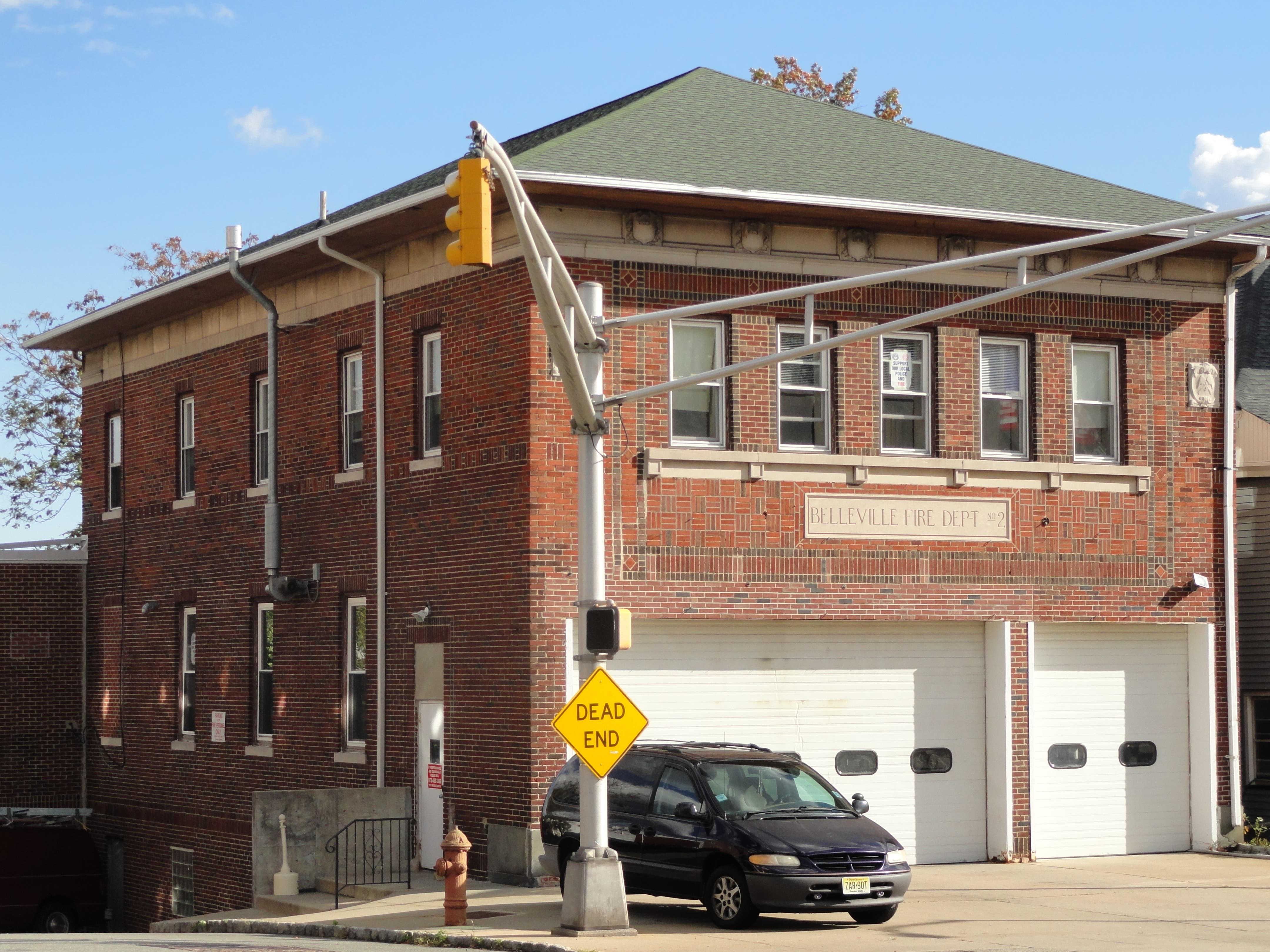
I can always tell when the firehouse on my block because the symphony sounds flat.
There are more obvious signs, of course. There is a handwritten CLOSED sign on the bay door. The part of the street near the firehouse in the Silver Lake section of Belleville – where the firefighters usually park their cars – is conspicuously empty. The only sign of life coming from the old brick building is the intermittent chatter from its communications equipment.
For me, though, the symphony just doesn’t have the same sweet sounds. What do I mean? My wife and I live in the same place we moved into 14 years ago. Having grown up in a quiet suburb and then marrying a city girl, the noise of the county road we live on – cars and trucks honking or gunning their engines, boisterous school kids and adults walking by, even the distant fingernails-on-chalkboard screech of self-storage company gate across the way – took some getting used to.
Find out what's happening in Belleville-Nutleyfor free with the latest updates from Patch.
The one thing that was like home to me was having a firehouse on the same block. My Dad was a firefighter in the town I grew up in, and I spent many hours hanging out in the firehouse with him, never mind going to fires, car accidents and even routine fire inspections. To this day the sound of a siren pumps my adrenaline.
So, for the past 14 years, the traffic, the pedestrians, the comings and goings of the fire engine and the myriad other noises in the neighborhood became a symphony that played just outside my conscious mind. It has become just so much background noise.
Find out what's happening in Belleville-Nutleyfor free with the latest updates from Patch.
Yet, for at least the past year, that symphony has sounded flat at least a few days a week. When the firehouse stands silent, the neighborhood just seems off. But that the neighborhood seems off has less to do with the lack of noise and more to do with the danger a closed firehouse threatens.
Successful firefighting requires trained personnel, up-to-date equipment and strategically located firehouses. When one of those essentials is compromised, containing and extinguishing a fire becomes more difficult. Yet, it is a sad reality that when the political wind blows toward “balancing the budget” or “tightening our belts” or, the more popular cry of “getting tough on the unions,” firefighters are often targeted first.
Even more unfortunate is that many people don’t realize how instrumental firefighters are to overall public safety. There are still many misconceptions about firefighting and what firefighters do. Recently my parents were out to dinner and a couple sitting a few tables away were talking amongst themselves about how firefighters “don’t do anything.”
The concept of professional firefighting has been around only for about 100 years. Before that, firefighting suffered from political infighting, lack of training and substandard equipment. Professional firefighting has become a science, developing better equipment and techniques. Such advances have not only improved professional firefighting, but also have benefitted volunteer companies. As firefighting has developed, it has incorporated such services as fire prevention and fire inspections.
For a moment, I'll indulge the common perception of firefighters. Let’s assume that the only thing firefighters do is “fight fires.” Think about this: the time between a small, manageable fire becoming a large, out of control fire can be a matter of minutes. The difference between a firehouse being closed or open can be, quite literally, the difference between life and death.
This is Frank Fleischman III's first blog for Patch. A native of Glen Ridge, he resides in Belleville.