Sports
Coaches Teach Winning Isn't the 'Only Thing'
Berkeley Little League cultivates success through Positive Coaching Alliance program
“Winning isn’t everything; it’s the only thing.”
That Vince Lombardi quote has been a mantra for coaches for years, from the professional ranks all the way down to youth sports.
“When I was growing up, all of the football coaches wanted to be like Vince Lombardi. All the basketball coaches wanted to be like Bobby Knight,” said Todd Meyer of the Positive Coaching Alliance.
Find out what's happening in Berkeleyfor free with the latest updates from Patch.
The trouble is, Lombardi and Knight would scream at players and berate them, sometimes publicly.
That kind of approach doesn’t work with children. Rather than spurring them to success, it frequently leads to frustration and anger. Studies have shown that it leads to children quitting sports: nearly 70 percent of kids stop playing sports after the age of 13, citing reasons that range from a lack of fun to too much emphasis being put on competition, he said.
Find out what's happening in Berkeleyfor free with the latest updates from Patch.
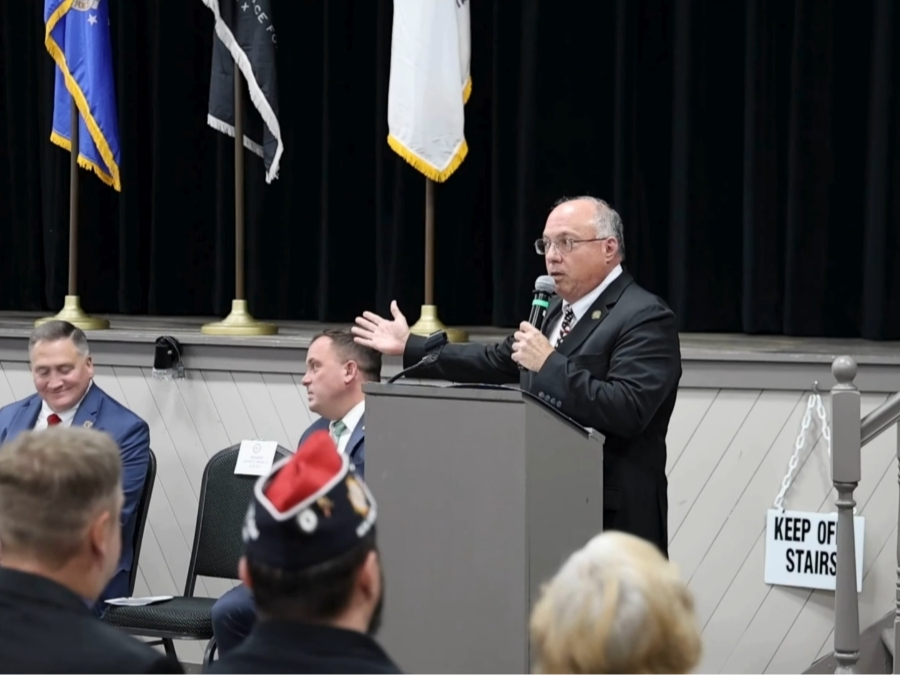
“We want to turn this around,” Meyer said, as he addressed a group of new Little League coaches at the Volunteer Community Center in Bayville on a recent chilly evening.
The Berkeley Little League is one of more than 1,700 teams, leagues and youth sports organizations around the country that partner with PCA, which was formed at Stanford University in 1998 and champions an approach to youth sports that aims to foster success through a positive atmosphere.
Its mantra: “We honor the game.”
“We’re not pushing an ‘everyone gets a medal’ philosophy,” Meyer said. “You want to win. We live in a competitive society.”
But in the process of winning, there is much sports has to teach children, lessons that can carry on long past days spent running on fields and playing catch. And that includes the lessons learned in losing, of good sportsmanship and teamwork and being good teammates..
“You have to learn how to deal with failure because you’re not always going to succeed,” Meyer said.
For more than an hour, Meyer shared with the coaches tactics and insights aimed at helping them understand and more effectively coach young athletes.
The key, Meyer said, is creating an environment where kids will be willing to try new things, instead of fearing they will fail and suffer negative consequences – whether it be teasing over their abilities, or criticism from parents and coaches. The willingness to try leads to learning the skills the kids need to be successful.
The PCA program isn’t limited to beginning coaches, however. The partnership includes training session for parents and higher level coaches.
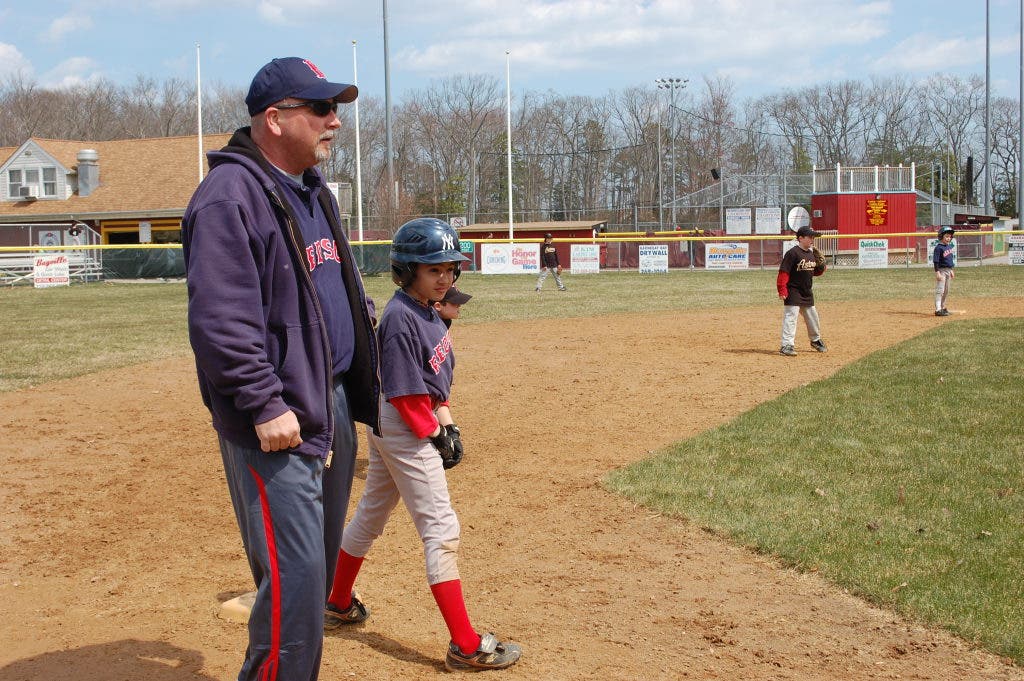
The Berkeley Little League, which has been participating in PCA for several years now, requires new coaches and new parents to come to the sessions. Coaches who don’t complete the required training, which includes the Rutgers University coaching course and the PCA program, do not receive their ID cards, which Berkeley’s Little League uses to define who is allowed on the field as a coach.
Parents pay a $100 deposit check at registration. The check is returned after they attend the course.
“We saw what was going on (in youth sports) and we wanted to change things,” league president Bob Everett said.
News reports of incidents between parents and officials, parents and coaches, parents and other parents had become more frequent, and the number of kids who were quitting sports was rising.
The PCA program, constant reinforcement that includes banners hung on every field proclaiming “We Honor The Game Here” – and holding parents and coaches accountable when they have displayed inappropriate behavior has worked, Everett said.
“It has, over the years, subtly changed the culture,” Everett said, something that parents within the organization can see. “When our parents travel to other leagues, they’re surprised at the difference.”
That difference translates into players staying in the program longer, Everett said.
While many kids in other towns quit playing Little League when they get to high school, Berkeley has been able to field strong senior teams because the players are able to come out and just have fun playing the game, he said.
And starting that message with the coaches who are working with T-Ball – the youngest players – builds that culture from the ground up.
“I grew up playing sports in this town and I had great coaches,” said Jason Sheppard, who also coaches in the Berkeley Basketball League. “It (the PCA program) reinforces what we learned in in the Rutgers course. It helps get coaches on the right path.”
“I wish I had this back when I coached hockey,” said Vinnie Agnello, who coaches 12-and-under and 10-and-under hockey teams.
“It gives you a better approach to the game,” Tom Lowden said.
“Everything you do and say has the potential to be the best thing or the worst thing that’s happened to a child,” Steve Young said in a video clip played for the coaches.
Berkeley Little League wants it to be the best experience for every child who plays in the organization.
Positive Coaching Alliance Key Tenets
The Positive Coaching Alliance (www.positivecoach.org) aims to replace the "win-at-all-cost" model of coaching with its Double-Goal Coach®, who wants to win but has a second, more important, goal of using sports to teach life lessons, and, ultimately, honor the game.
They use the acronym ROOTS to remind coaches of the key elements:
R – Rules. Never bend them to win; honor the spirit of them;
O – Opponents. Never demonize them, but allow a good opponent to bring out your best;
O – Officials. Show them respect even when you disagree with a call;
T – Team. Never do anything to embarrass your team;
S – Standards. Live up to your own standards even when others do not.