Health & Fitness
New Concerns About Brain-Eating Amoeba In U.S Lakes, Rivers
New concerns have been raised about a deadly parasite that killed three people last year.


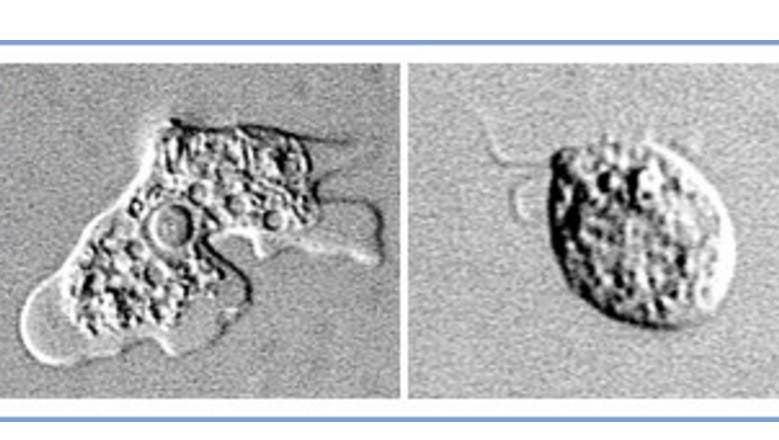
New concerns are being raised about a deadly parasite that killed three people last year, a parasite that no longer considers the freshwater swimming waters southern states as its only habitats.
Now that the warmer weather is coming, some are asking: Can this Naegleria fowleri, commonly referred to as the "brain-eating amoeba," come to New Jersey and other states?
The parasite has infected people in 18 states, including Minnesota, Missouri, Kansas and Virginia in recent years, raising some concerns that the parasite is pushing farther north, according to the Centers For Disease Control and Prevention.
Find out what's happening in Berkeleyfor free with the latest updates from Patch.
The amoeba is often in warm or hot freshwater recreational swimming areas, such lakes, rivers, and hot springs, and not drinking water - although CBS News reported that health officials in Louisiana said last year two water systems tested positive for the parasite.
There have been 133 reported cases nationwide of the rare parasite since 1962, according to the CDC, although the amoeba has infected at least 40 people in the U.S. over the past 10 years.
Find out what's happening in Berkeleyfor free with the latest updates from Patch.
"This means that recreational water users should be aware that there will always be a low level risk of infection when entering these waters," according to the CDC, noting that Naegleria fowleri "more recently has caused infections in northern states."
.Jeff Tittel, director of the Sierra Club in New Jersey, sees the amoeba's migration to northern states as a real possibility because of climate change, saying that lakes and rivers will likely become warmer in the Northeast and serve as an attractive habitat for the amoeba.
"Virginia is not far from New Jersey," he said. "Climate change is changing everything. It's not something you want to raise alarm about, but it could be something we have to look at."
Larry Hajna, a spokesman for the state Department of Environmental Protection, said New Jersey has had no cases involving the amoeba but the state is monitoring for any possible contamination in its swimming areas.
Hajna said the DEP closely monitors for bacteria that have appeared in New Jersey waters, but he's not aware of such testing for the amoeba. "We have protocols in place so we're monitoring for indicator bacteria," he said. "We're not testing for every microorganism on the planet."
Helping to spearhead those awareness efforts about the amoeba is the mother of a 24-year-old woman named Kelsey McClain, who was infected with the parasite - which typically enters the body through the nose - while on a Colorado River trip in Arizona last year.
The woman died eight days later, her mother, Jennifer McClain, told KGTV In Sand Diego. Now her mother is on a mission to prevent others from catching the amoeba, speaking to news media outlets and appearing on social media to warn people about what could happen.
Sandra Gompf, an infectious diseases specialist who lost her own son to amoebic meningoencephalitis caused by Naegleria fowleri, also has published a petition asking asking the CDC to to designate infections with the organism as worthy of mandatory reporting.
The CDC, which has published a map showing where the amoeba has appeared and infected people, has released a list of preventive steps that everyone should take when swimming in freshwater areas:
- If you choose to swim, limit the amount of water going up the nose, and avoid water where Naegleria fowleri might live.
- Hold your nose shut, use nose clips, or keep your head above water when taking part in water-related activities in bodies of warm freshwater, including activities in warm water discharged from industrial plants.
- Avoid putting your head under water in hot springs and other untreated geothermal waters. Avoid water-related activities in warm freshwater during periods of high water temperatures and low water levels.
- Avoid digging in, or stirring up, the sediment while taking part in water-related activities in shallow, warm freshwater areas.
Here is a list of symptoms:
- Symptoms can be mild at first, but they worsen quickly.
- Usually start about 5 days after infection (but can range from 1–9 days) Can include headache, fever, nausea, or vomiting.
- Later symptoms can include stiff neck, confusion, lack of attention to people and surroundings, loss of balance, seizures, and hallucinations.
- After symptoms start, the disease causes death within about 5 days (but can range from 1–12 days)
Get more local news delivered straight to your inbox. Sign up for free Patch newsletters and alerts.