Brick, NJ|Local Classified|Announcement|
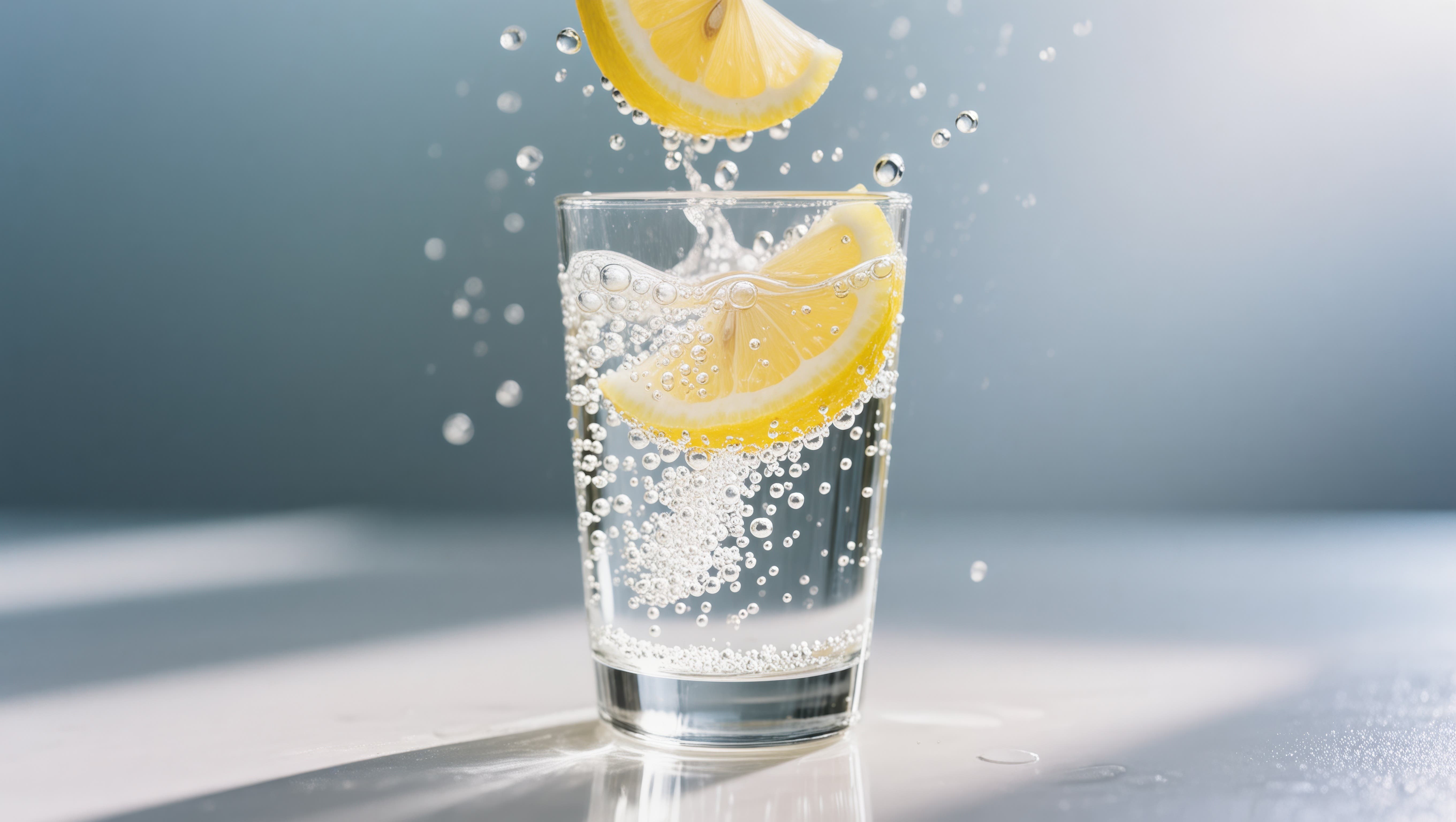
Is Your Bubbly Water a Cancer Risk?
Hackensack Meridian Health experts weigh in
Recent buzz on social media has raised concerns about a potential link between sparkling water and cancer. But is there any truth to these claims?
The primary concern isn't the sparkling water itself, but what might be in its packaging. The spotlight is on a group of man-made chemicals called per- and polyfluoroalkyl substances, or PFAS. Known as "forever chemicals" because they don't easily break down, PFAS can be found in the environment and have been detected in some canned and bottled drinks.
Scientific evidence has linked high exposure to certain PFAS to an increased risk of some cancers, like kidney and testicular cancer.
“While the link between all types of cancer and PFAS is not definitively established, the widespread presence of these 'forever chemicals' in our environment is a valid concern,” says David Greenberg, MD, chief of Hematology / Oncology, Hackensack Meridian Jersey Shore University Medical Center and is affiliated with Ocean University Medical Center. “Research has pointed to a significant association between PFAS exposure and an increased risk for certain malignancies, particularly kidney and testicular cancers. Beyond minimizing direct exposure where possible, it's essential to focus on living a healthy lifestyle, including a balanced diet and regular exercise, to help mitigate your overall cancer risk."
From a colorectal health perspective, the worry is that these chemicals could harm the gut.
According to Dr. Steven Lee-Kong, Chief of Colorectal Surgery at Hackensack Meridian Hackensack University Medical Center, the concern is how PFAS might interact with the digestive system. "Research suggests that when ingested, PFAS can disrupt the delicate intestinal barrier," he explains. "This can lead to gut inflammation, damage to the intestinal lining, and changes to the gut microbiome." Chronic inflammation is a known risk factor for colorectal cancer.
So, should you ditch your favorite sparkling water? Dr. Lee-Kong advises a measured approach. "My advice is to be a mindful consumer rather than to panic," he says. "The issue is not with sparkling water itself, but with potential contaminants."
Here's what you can do:
- Don't Panic: The current science is still evolving, and some studies show that the levels of PFAS in popular sparkling water brands are below federal advisory limits.
- Drink in Moderation: It's difficult for consumers to know the PFAS content of any given product. A sensible approach is to enjoy canned beverages as part of a varied diet.
- Prioritize Filtered Water: Making filtered tap water your main source of hydration is a great strategy. Some water filters, like reverse osmosis or activated carbon systems, are certified to remove PFAS. The good news is that regulatory agencies are taking the concern seriously. In 2024, the U.S. Environmental Protection Agency (EPA) established the first-ever national drinking water standard for several PFAS. This move highlights a growing awareness of the issue and will lead to reduced public exposure from public water systems.
For information about Hackensack Meridian Health's Cancer Care services, visit https://www.hackensackmeridianhealth.org/en/services/cancer-care. To make an appointment with Dr. Greenberg, call 844-HMH-WELL.
(Photo: vecteezy.com)