Politics & Government
NJ Marijuana Legalization: Some Shore Towns Say 'No Sales Here'
Some town officials are taking hard stances against marijuana businesses ahead of legalization, others are taking a wait-and-see approach.


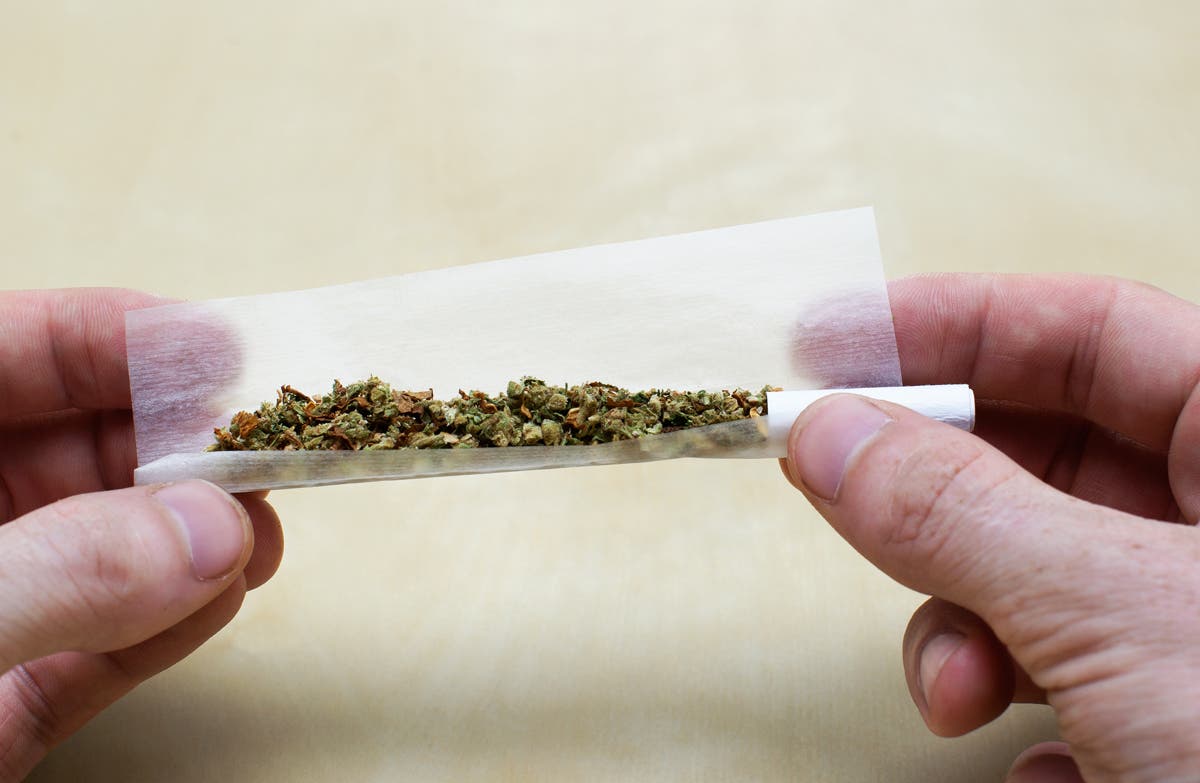
Wheb Gov.-Elect Phil Murphy takes office on Jan. 16, getting recreational marijuana sales legalized is one of the top items on his agenda.
It's a matter that comes with a great deal of debate, however. Where will it be sold? Who will be responsible for policiing it? What impact will those sales have on the local community?
As a result, some Ocean County towns are preparing to say "no thanks," and others may follow suit.
Find out what's happening in Brickfor free with the latest updates from Patch.
In late 2017, Point Pleasant Beach passed an ordinance banning all marijuana businesses in the borough. Berkeley Township became the second town to formally take on the issue, this week introducing an ordinance to ban the sale of recreational marijuana in the towship.
At Tuesday night's Toms River Township Council reorganization meeting, Councilman George Wittmann said he wants to see the town work on an ordinance banning the sales.
Find out what's happening in Brickfor free with the latest updates from Patch.
"We do not need it here," Wittmann said.
Seaside Heights Mayor Anthony Vaz has expressed a similar sentiment, Business Administrator Christopher Vaz said Wednesday.
"Other than the mayor presenting his personal point of view to media, the borough hasn’t taken any concrete action at this point and we will probably wait and see what, if anything, happens in Trenton," Christopher Vaz said.
In Brick Township, where Mayor John G. Ducey was sworn in to his second term as mayor on Tuesday by Murphy, officials are taking a wait-and-see approach.
"We are waiting to see what the regulations are," Ducey said Wednesday. "The estimates are that the regs will not be available for 18-36 months."
Point Pleasant Beach officials, in the ordinance passed there, said one of the reasons for banning the businesses is due to "special security concerns," but did not spell out what those special concerns entail.
Allowing marijuana sales would send a "wrong message" to children, said Berkeley Township Mayor Carmen Amato, whose town has an award-winning DARE (Drug Abuse Resistance Education) program. He expressed concerns that marijuana is a gateway to heroin, which has gripped Ocean County in a deadly crisis for more than three years.
The National Institute on Drug Abuse said the issue of marijuana being a gateway drug is complicated in that it creates a phenomenon called cross-sensitization that makes the brain more responsive to other drugs.
"However, the majority of people who use marijuana do not go on to use other, 'harder' substances," the NIDA says. "It is important to note that other factors besides biological mechanisms, such as a person’s social environment, are also critical in a person’s risk for drug use. An alternative to the gateway-drug hypothesis is that people who are more vulnerable to drug-taking are simply more likely to start with readily available substances such as marijuana, tobacco, or alcohol, and their subsequent social interactions with others who use drugs increases their chances of trying other drugs. Further research is needed to explore this question."
Al Della Fave, spokesman for the Ocean County Prosecutor's Office, said Prosecutor Joseph Coronato has not taken a stance on whether towns should or should not ban the sale.
"He has to go strictly by the law," Della Fave said.
The prosecutor's concern, he said, is the legal issues involved with driving under the influence.
"If you're pulled over for drunk driving, there's a scale to determine impairment," Della Fave said. "What is going to be the scale to determine impairment with marijuana?" He said Coronato also has expressed concerns about how commercial truck drivers and bus drivers will be tested.
"What will be the measurement of impairment? No one has discussed that," Della Fave said. He said Coronato is hoping lawmakers are looking closely at what has happened in the states where recreational marijuana use has been legalized already.
Senate President Steve Sweeney, in discussing the potential for legalization, has said the state could benefit from the taxes drawn from an estimated $1.3 billion industry, as well as jobs.
"It's about creating jobs." Sweeney said. "This is an industry that's in its infant stage and we have the benefit of learning all the mistakes that everyone else has done."
Though Ducey said the regulatory process could take as much as three years, Kate Bell, legislative counsel for the Marijuana Policy Project in Washington D.C., told NJ.com the regulatory process could take at least six months, and the licensing process is another six months after the legislation is passed. That schedule could move a lot more quickly if medical marijuana dispensaries are allowed to meet the demand, Bell said.
The currently proposed bill, from Sen. Nicholas Scutari, D-Union, would:
- Make the possession and personal use of small amounts — one ounce or less — of marijuana legal for people age 21 and over.
- Make the manufacture, possession or purchase of marijuana accessories, or the sale of marijuana accessories to a person who is 21 years of age or older legal.
- Make it legal to purchase of marijuana from a marijuana cultivation facility or a "retail marijuana store" that is licensed to sell the product.
- Make it legal to package, process, transport, manufacture, display, or possess marijuana or marijuana products.
- Make it legal to lease or allow the use of property owned, occupied or controlled by any person, corporation or other entity for marijuana use, possession and manufacturing.
Messages to officials in several other Ocean County towns, including Jackson, Barnegat and Lakewood, seeking officials' stances on the topic, were not immediately returned.
Image via Shutterstock
Get more local news delivered straight to your inbox. Sign up for free Patch newsletters and alerts.