CHATHAM, NJ - Fall is all about blossoms, harvests, and new plantings at the Chatham High School gardens. Students, staff, and community volunteers worked through the summer and early fall to clear out weeds from the beds and plant mums to prepare the garden for CHS students to enjoy as a natural space for socializing or eating at lunch.
Community volunteer Kathy Abbott said that fall is “the season of seeds and readying for renewal.” She commented that the CHS Garden’s pollinator plants provided a haven for butterflies and bees this spring and summer and for the early part of fall.
The CHS Garden Club is also responsible for maintaining the CHS Garden. Ella Walmsley, CHS Garden Club president, noted that there is work to do both outside and inside.
Find out what's happening in Chathamfor free with the latest updates from Patch.
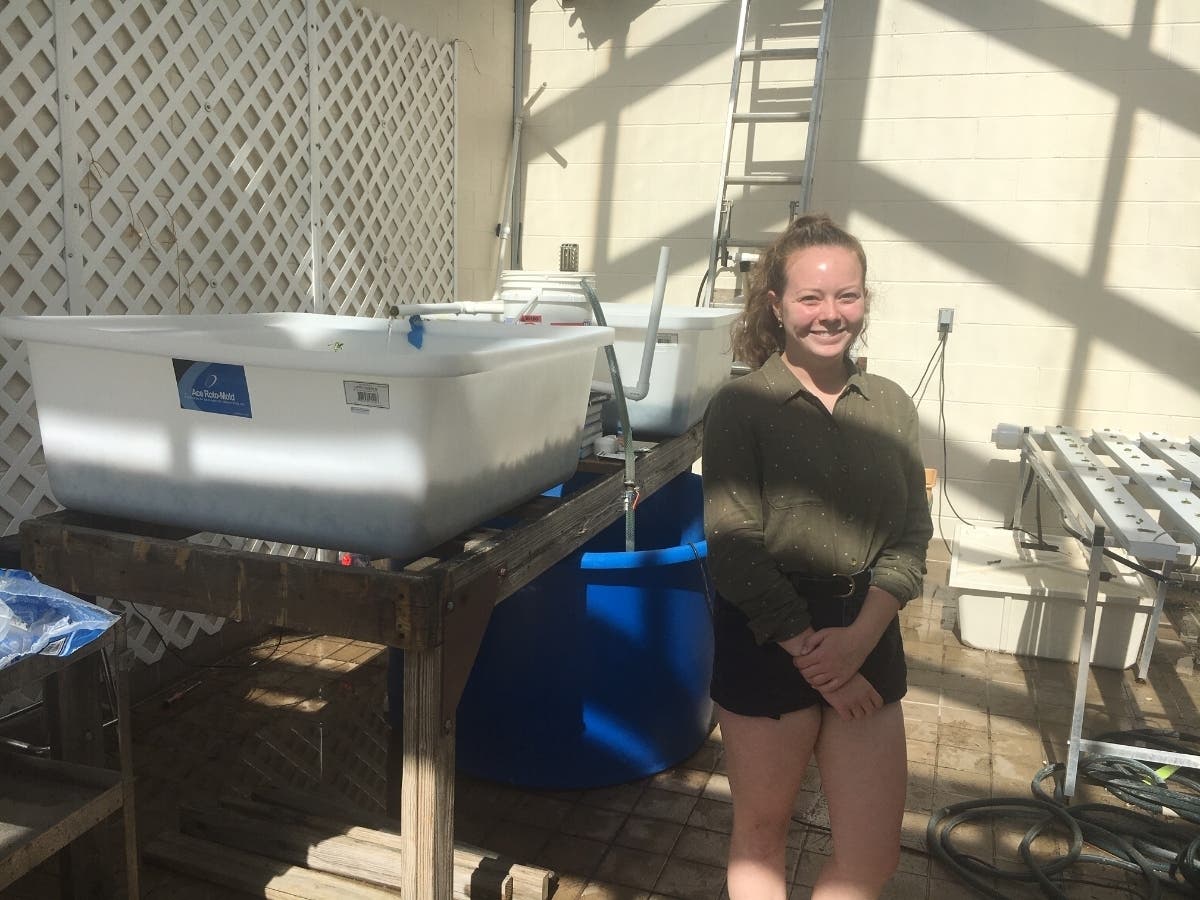
“I do work outside, mostly just root veggies, carrots, radishes, but most of my work is done inside, where I run, manage, and maintain the aquaponic and hydroponic systems," Walmsley said. "In those, I mostly grow lettuce, but I've also started arugula, spinach, swiss chard, and a variety of herbs.”
A hydroponic system is one in which plants are grown in a nutrient-water solution without soil. Ella reports that plants will grow faster in the hydroponic systems than in the soil at the CHS gardens due to nutrient and light availability. The systems in the CHS greenhouse can be used year-round, while the outside gardens can only be used for about three months, due to an abundance of shade and the unsuitable temperatures during the school year. The hydroponic systems can use less water than soil-based growing methods due to reduced waste.
Find out what's happening in Chathamfor free with the latest updates from Patch.
The Garden Club recently potted tomato plants in six buckets in their own hydroponic systems during lunch, and Ella says she will give the tomatoes to the cafeteria for use in student lunches, along with the other produce grown outside and in the hydroponic/aquaponic systems.
An aquaponic system is one in which aquaculture, such as fish, are raised within a hydroponic system. Instead of the synthetic nutrients, aquaculture waste provides nutrients for plants. The plants and fish engage in a symbiotic relationship. The fish provide fertilizer for the plants and the plants remove harmful nitrogen compounds for the fish. Currently, the only crop being grown in the aquaponic system is swiss chard, but the CHS garden club hopes to eventually explore other crops.
CHS science classes, particularly the environmental science classes, also utilize the hydroponic and aquaponic systems to learn about the different kinds of growing mediums and the nutrient cycle. A grant from the Chatham Education Foundation made this program at CHS possible.
“The garden gives students in every curricular area a place to find beauty, inspiration, and an opportunity to enrich their learning,” CHS science teacher and Garden Club advisor James Miller said.
Thanks for reading! Learn more about posting announcements or events to your local Patch site. Have a news tip you'd like to share? Or maybe you have a press release you would like to submit or a correction you'd like to request? Send an email to russ.crespolini@patch.com
Subscribe to your local Patch newsletter. You can also have them delivered to your phone screen by downloading, or by visiting the Google Play store.
Get more local news delivered straight to your inbox. Sign up for free Patch newsletters and alerts.