Neighbor News
Common Signs of Nursing Home Abuse
Keep these in mind next time you visit your loved one!

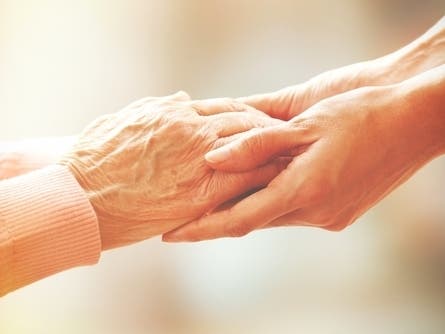
Close your eyes and think about the 10 closest people around you. At least one out of 10 of them will experience elder abuse at home, once they're over the age of 60. These statistics from the Center for Disease Control (CDC) are startling.
Now close your eyes and think about 1-2 million people: family, friends, co-workers, strangers, your children, even yourself. These are the U.S. citizens, over the age of 65 who have been mistreated or injured by a caregiver. These statistics highlight just how common nursing home abuse and neglect is across the United States.
Below, I've detailed some of the most common examples of nursing home abuse and neglect so you can better recognize the signs if you have a loved one living in an assisted living facility or nursing home.
Find out what's happening in Cherry Hillfor free with the latest updates from Patch.
Dehydration and Malnutrition
Unbelievably, one common sign of nursing home abuse comes in the form of withholding food or water from patients as a form of discipline or retribution. Unfortunately, nursing home residents may suffer from malnutrition and dehydration if the nursing home is inadequately staffed, insufficiently trained or as a result of miscommunication between employees. Common signs of malnutrition or dehydration could be sudden weight loss, sunken eyes, lack of energy or fainting.
Unexplained Injuries
As kids, unexplained bumps and bruises may be a result of playing outside or too much roughhousing. For the elderly, however, unexplained physical injuries may be a red flag that a loved one is being physically abused. The healthcare field can be overwhelming due to understaffing, however there is never a justification for nursing home abuse or neglect. If, for example, your loved one has unexplained injuries that the staff said were a result of a fall, this could be a coverup for physical abuse, especially if your loved one doesn’t have a history of falls.
Find out what's happening in Cherry Hillfor free with the latest updates from Patch.
Unusually Confused
Sometimes medication mismanagement can result in a nursing home resident being overly confused. If you notice that your loved one is a bit more confused than usual, it may be an indicator that their medications aren’t being properly watched.
Bedsores
When a patient lays in a dormant position for too long, they can develop bedsores. Bedsore are completely preventable simply by turning immobile patients over. If a loved one has bedsores, it could be a warning sign that they’re being neglected by nursing home staff.
Bad Hygiene
Often times, a loved one is placed in a nursing home because they need assistance with their activities of daily living. These may include taking baths, showers, assistance going to the bathroom and other forms of personal hygiene. Because they need help, nursing home residents rely on the assistance of home health aides and nursing home staff. If you notice that your loved is dirty or has unwashed hair or soiled clothing, it may be an indicator of nursing home abuse or neglect.
While these are just a few examples of nursing home abuse and neglect, they are all important signs to keep in the back of your mind, especially if you have a loved one in a nursing home or assisted living facility.
The decision to move your loved one to a nursing home is not an easy decision. That is only exacerbated when the people you entrusted to take good care of them, do the opposite. These signs can help you keep an eye on things, to ensure your loved one is receiving the absolute best care they deserve.