Neighbor News
Sump Pump Inspection Tips..Prior to Heavy Rain/Flooding..
Sump Pump Inspection Tips..Prior to Heavy Rain/Flooding..

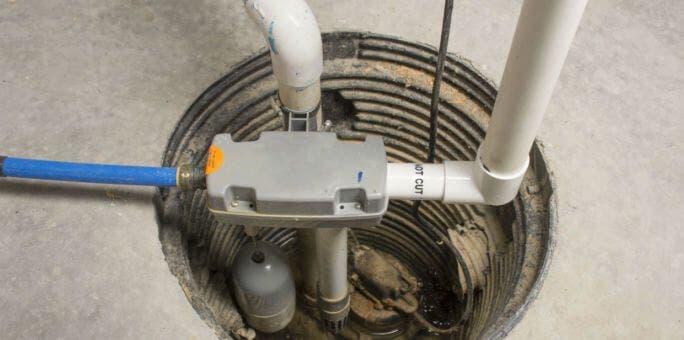
Sump Pump Inspection Tips..
A sump pump is a key component in your home that helps prevent ground- or rainwater from building up in your basement — pushing water out from under your home and helping to keep it away from the foundation.
As with any other system or appliance in your home, a sump pump needs regular maintenance to help make sure its functioning properly.
Here are a few simple sump pump inspection tips to consider.
How Often?
There are many different types of sump pumps, so remember to consult your owner’s manual for the manufacturer’s advice on the right maintenance and service. However, the Sump and Sewage Pump Manufacturer’s Association generally recommends the following maintenance frequency on sump pumps:
- Monthly: If your sump pump disposes water from a washing machine, a monthly cleaning of the pump screen or inlet opening is needed.
- Quarterly: If your sump pump does not dispose washing machine water, the pump screen or inlet opening can be cleaned once every three to four months.
Remember, you should always have a professional inspect your sump pump each year to make sure it is working properly, says the International Association of Certified Home Inspectors (InterNACHI).
Find out what's happening in Cherry Hillfor free with the latest updates from Patch.
What Should You Inspect?
Here are the five things you should examine during an annual inspection of a sump pump, according to InterNACHI:
1. The alarm. Not all sump pumps have alarms that sound when the device is activated. If a sump pump has one, it should be tested to help ensure it functions.
2. The check valve. A professional should make certain that there is a check valve on the discharge pipe. The check valve may help prevent water from flowing back down the discharge pipe after it is pumped out.
3. A backup power source. Sump pumps often need to work during extreme weather conditions that may result in power outages. A professional may confirm there is a backup power source on a sump pump, such as a battery, and that it is working.
4. The pit. A sump pump sits in a pit which gathers water until the pump removes it. The pit needs to be large enough — at least 24 inches deep and 18 inches wide — for the sump pump to function properly.
5. The discharge location. The discharge location is recommended to be at least 20 feet from a home to help prevent water from draining onto neighboring properties, into public sewer systems or into a residential septic system.
A sump pump can be an important tool to help prevent excess ground- or rainwater from entering your home. But, as with any appliance or system, a little planning and regular maintenance is required to help ensure proper function.
Jon Barrett
Marketing and Sales Support
SERVPRO of Cherry Hill/Haddonfield
Phone: (856) 662-2772
Email: JBarrett@SP9157.com
Websites:
http://www.servprocherryhillha...
http://www.servpromtlaurelmoorestown.com/