Schools
Cinnaminson Schools Recognize Bullying Prevention Month
Local schools fight bullying all year, highlighted by National Bullying Month in October.


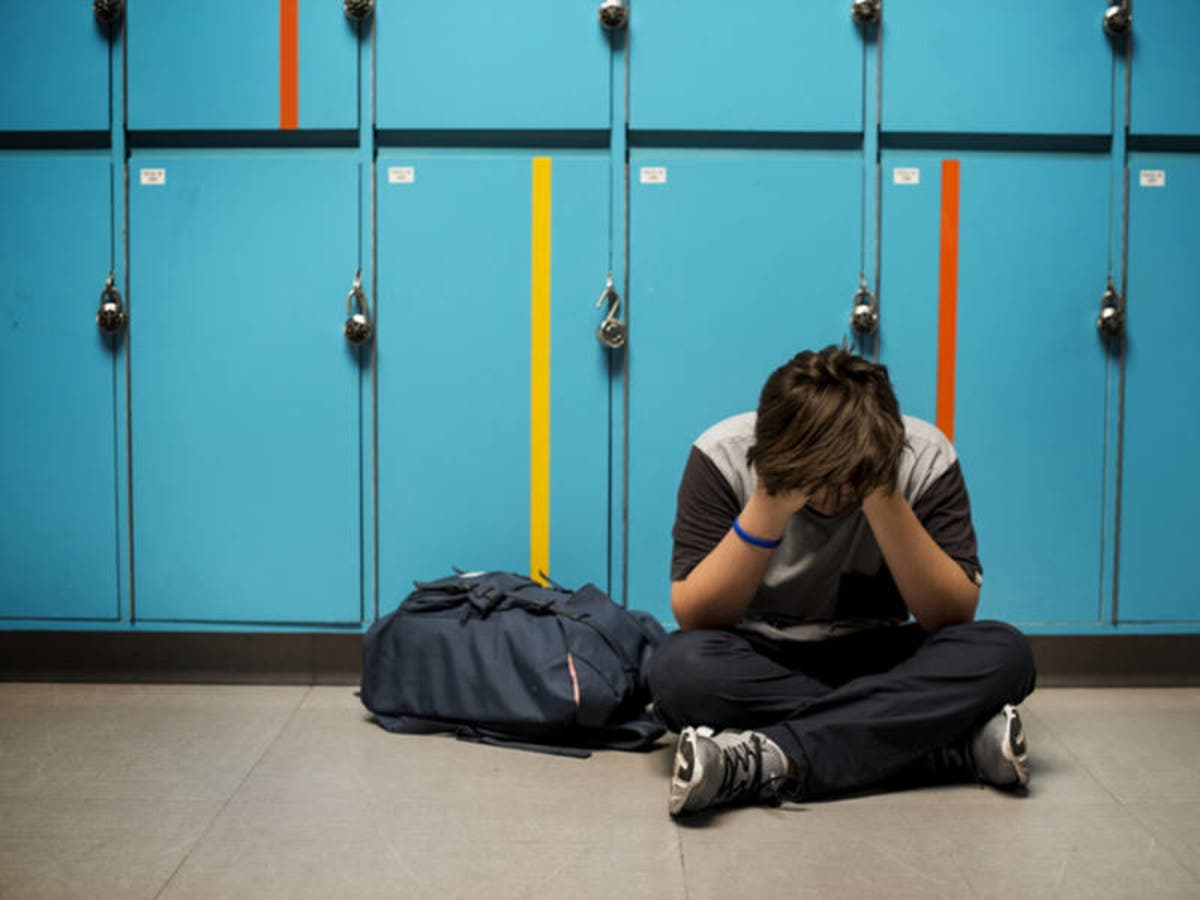
CINNAMINSON, NJ — We hope you've noticed over the past year that we've been focusing on bullying and cyberbullying, a confounding national crisis that turns youths' lives upside down with unimaginable angst and dread, sometimes with deadly consequences. With each story, we've heard poignant stories from Patch readers in New Jersey and others who were bullied and overcame it, but also many who continue to struggle with the damage done by bullies to their self-esteem.
Many common threads emerged in emails from our readers: Teachers and other educators have suggested everything from first-period decompression time to classroom contracts with students on how they're expected to treat one another. But for all the readers who said schools need to do more to foster an anti-bullying culture, as many said parents should talk more with their kids about bullying and keep closer track on their social media habits.
And in a loud chorus, they said Americans need to stop wringing their hands and work at all levels to create a world safe from bullying.
Find out what's happening in Cinnaminsonfor free with the latest updates from Patch.
That's one of the purposes of National Bullying Prevention Month, observed annually during October to bring attention to the problem and involve people in New Jersey and nationwide in a conversation on how to create a world safe from bullying.
ANTI-BULLYING EFFORTS LAST ALL YEAR LONG
Find out what's happening in Cinnaminsonfor free with the latest updates from Patch.
“All of our schools have activities planned for the annual Week of Respect from October 1st - 5th,” a spokesperson for the Cinnaminson Public School District said. “Various theme days are planned in many of the schools revolving around respect, teamwork, and the ‘Golden Rule.’ Students will wear specific colors or certain articles of clothing on certain days to go along with a specific message. Examples include wearing blue for World Bullying Prevention Day or wearing yellow/gold to show that students follow the Golden Rule.
“Grade-level and classroom lessons will be delivered about respect through literature and activities in our elementary and middle schools. At our middle school, students will be given ‘kindness coins’ if they are observed showing kindness to staff or fellow students. CMS students will also list on a suitcase image the qualities a person needs to be considered kind and respectful. The school's art teacher will then use all of the suitcases to create a plane with a banner for all three grades, displayed throughout the school.
“Our high school will have daily announcements throughout the month of October about respect and acceptance. Special assemblies and programs are planned, some to correlate with Red Ribbon Week as well, to promote healthy lifestyles, healthy relationships and treating people with dignity at all times.”
“We are kicking off the month with a whole school assembly based on the program ‘Start with Hello’ by the Sandy Hook Promise,” a spokesperson for Westfield Friends School said. “Our students are going to learn how to identify social isolation, both in themselves and in others. They will also learn about how to start conversations with others and how to be inclusive at recess and throughout the day. Additionally, I will be doing lessons in each classroom focused on the ‘Start with Hello’ message throughout the month of October.”
A PUBLIC HEALTH ISSUE
Once viewed as a childhood "rite of passage" that toughened kids to handle the pressures of adulthood, bullying and its more insidious digital twin, cyberbullying, is seen by many experts as a major public health issue — on par with heart disease, cancer and diabetes — with devastating and often long-term effects like the loss of self-esteem, heightened anxiety and depression.
We want to hear from you. Do you have a story to tell about bullying or cyberbullying, a suggestion about how to stem it or an event to publicize? Comment at the end of the story, or email anthony.bellano@patch.com and copy bullies@patch.com. You can post Bullying Prevention Month and many other events right on Patch.
Statistics vary, but an aggregate of 80 different studies on bullying suggests one in five American students between 12 and 18 is bullied at some point during their middle or high school years. Traditional bullying — name calling, public humiliation, isolation, physical violence and that sort of thing — occurs most often, with 35 percent of kids reporting they've been targeted in one of those ways. The studies cited by the PACER Center, which established National Bullying Prevention Month, show that 15 percent of kids surveyed report being cyberbullied.
And though it occurs less often, cyberbullying — which has resulted in a disturbing string of suicides by adolescents and teenagers — is especially hard to stop. While experts say most cyberbullied kids don't kill themselves, the long-tailed internet makes a taunt live longer than one flung on the schoolyard. Kids can escape traditional bullying in the safety of their homes, but because social media is so intertwined with how kids communicate, they never really escape it.
And because cyberbullies have the stealth of anonymity, "empathy tends to fade to zero," NoBully.org founder Nicholas Carlisle told Patch.
He was knocked around 40 or so years ago as an awkward 12-year-old. The torment persisted through high school, but as tough as it was, his experience was markedly different from the torture kids endure today, he says — and it's not just that he was attacked in a physical as opposed to online space.
"Online, you can't see the whites of their eyes," Carlisle said. "If you can see someone, that's often a break upon people's aggression — not always, but it does seem to have some break upon crossing the line."
The full consequences of bullying on the brain aren't fully understood, but kids who are targeted by bullies in childhood and adolescence are at increased risk for psychological problems that can stretch into adulthood, according to experts. In the moment, bullied kids may be unable to sleep or suffer a range of stomach issues and headaches. Later on, they're at risk for depression, anxiety, and alcohol and drug use.
OCT. 24 UNITY DAY
Among the marquee National Bullying Prevention Month activities is Unity Day, observed on Wednesday, Oct. 24, when everyone is encouraged to wear and show orange to send a message that no child should ever experience bullying.
"Orange provides a powerful, visually compelling expression of solidarity," Paula Goldberg, the executive director of the PACER Center, said in a statement. "Whether it's hundreds of individuals at a school wearing orange, store owners offering orange products or a community changing a landmark to orange, the vibrant statement becomes a conversation starter, sending the supportive, universal message that bullying is never acceptable behavior."
Here's more about Unity Day:
THE BULLY MENACE: WHAT'S AHEAD
During October and beyond, several experts have agreed to answer readers' questions about bullying, ranging from how to keep their kids from becoming targets to what to do if their kids are the bullies. We'll also delve into some of the issues surrounding bullying.
Take a look back at some of the stories in our series:
- America's Shameful Truth About School Shooters And Bullying
- They All Failed Changed Child: Malden Bullying Detailed
- Bullies, Their Targets The Same In A Surprising Number Of Cases
- 'Everyday, I Wear Your Words,' Teen Tells Bullies In Video
- Teen's 'I Wear Your Words' Video Inspires Nashville Songwriters
- Bullying Of Mallory Grossman, 12, Spelled Out In Wrongful Death Lawsuit
- Poetry Teacher Helps Bullied Kids Open Their Tortured Minds
- Why These Kindergartners Start Each Day With A Simple Handshake
If you have a question or want to share your story, please email bullies@patch.com.
Photo via Shutterstock
Get more local news delivered straight to your inbox. Sign up for free Patch newsletters and alerts.