Health & Fitness
Virtua Doctor Limits Opioid Prescriptions To Fight Addiction
Dr. Sean McMillan, an orthopedic doctor in Cherry Hill and Burlington, combats addiction by limiting opioid prescriptions following surgery.


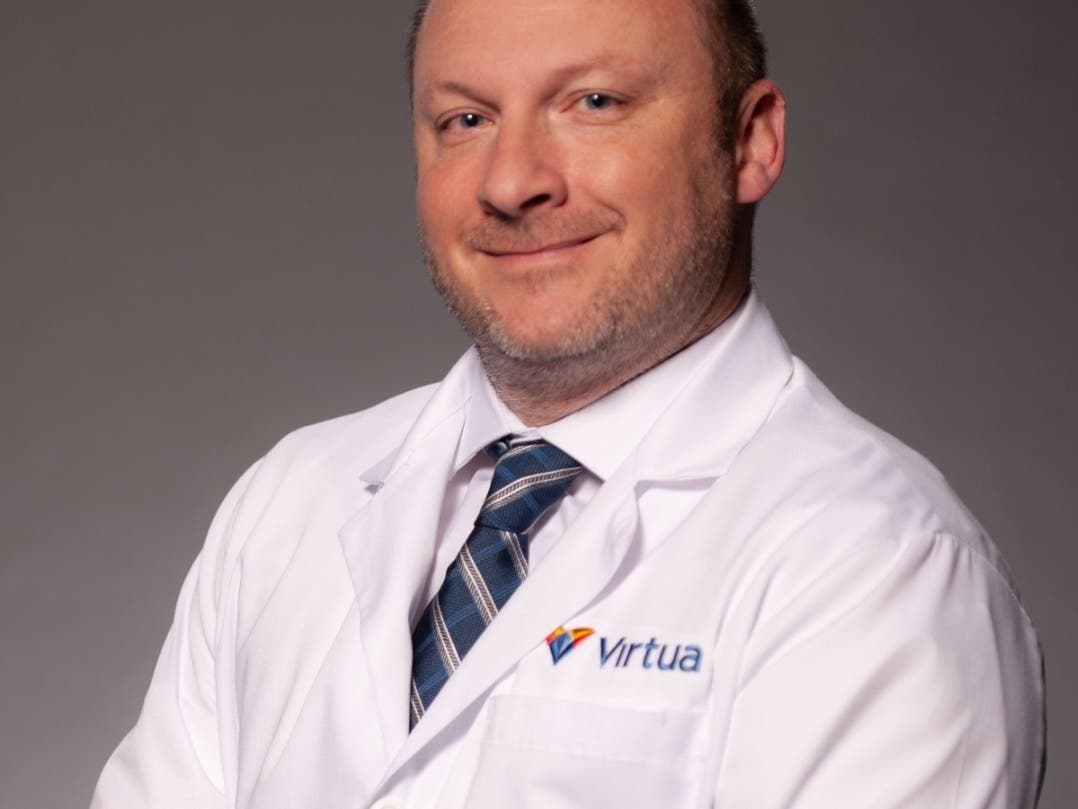
One of Dr. Sean McMillan’s patients came to him for knee surgery, but after evaluating her, he said he wouldn’t be able to operate on her right away. First, she would have to get off all the pain medication she was on.
After a year, McMillan — an orthopedic surgeon at Virtua Hospital in Cherry Hill and Burlington Township — completed a successful operation on the woman. It was what she thought was coming next that scared the patient the most.
“After the surgery, she was terrified she was going to need opioids again,” McMillan said. “She had to get both her knees replaced.”
Find out what's happening in Cinnaminsonfor free with the latest updates from Patch.
But McMillan wasn’t about to send her back down that road. Originally from Central Jersey, McMillan said he has lost too many friends to drug abuse. It always bothered him, and stayed on his mind once he became a surgeon.
“It’s heartbreaking see kids you know, and then I think of my patients who are on meds already,” McMillan said.
Find out what's happening in Cinnaminsonfor free with the latest updates from Patch.
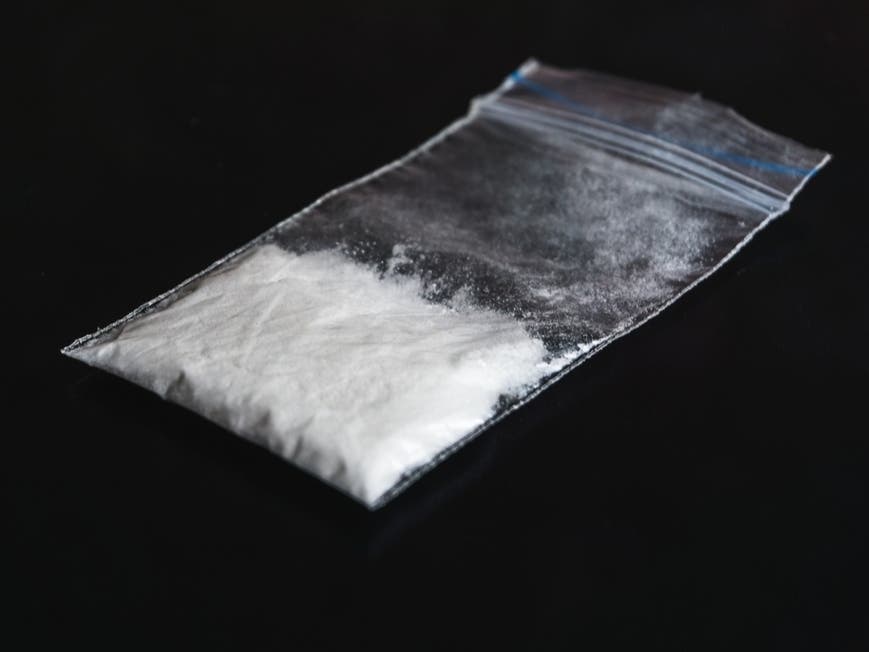
Like the woman who had both her knees replaced, many people are prescribed too many opioids after surgery, and it feeds into the growing scourge of addiction.
In 2019, a joint Rutgers-Eagleton/Farleigh Dickinson University poll found that roughly a quarter of New Jersey residents or their family members had taken a prescription opioid painkiller in the previous 12 months. Seven in 10 respondents rated prescription drug use as a serious problem in their community.
Since 2013, there have been more than 1,600 suspected overdose deaths in Camden County alone, according to data collected by the Office of the New Jersey Attorney General. Last year, there were 3,200 overdoses in Camden County, 329 of which were fatal.
McMillan, who treats a lot of high school athletes, didn’t want his patients to become another statistic. He began employing other methods to help patients with pain. For example, the average number of pain meds prescribed after a rotator cuff surgery is 68-70 pills, McMillan said. Under his method of treatment, patients might take two pills over the first seven days after surgery.
McMillan uses a non-opioid based anesthetic known as Exparel to numb the arm. Exparel provides pain relief for up to 72 hours, whereas other anesthetics provide between 10 and 14 hours of relief.
Normally, once the anesthetic wears off, the pain comes roaring back, but use of Exparel allows for a more gradual return of pain, McMillan said. This gives the patient time to use ice and Tylenol as the numbness wears off. If it gets to be too painful, then they can use the opioids.
“You have no pain for about 26 hours, then it slowly returns,” said McMillan, who said he will write prescriptions for 5-10 oxycodone pills and 40 non-narcotic pills, like Tylenol or Motrin. “It gives you the chance to ration your pain meds. The pain is worst in the first 2-3 days, so patients who can get through the first 72 hours without using the pain meds won’t need opioids.”
McMillan said he’s had patients not use the opioids at all, and even return an entire prescription without using one. It allows patients to rehab quicker and get back to work sooner, McMillan said.
For knee surgeries, McMillan uses a process in which he freezes the nerves around the knee, and it takes away all pain for about three to six months.
“Patients feel better going into surgery,” said McMillan, who also uses Experal for shoulder surgery and the freezing method for hip surgery.
He said his patients walk away happy, and other patients come in through word of mouth.
“I explain the process to my patients, tell them they’ll get a good outcome, and they’re excited about that,” McMillan said. “ … Patients have the right to ask their doctor about their recovery ahead of time. It’s important to put it to your doctor first. If you’re not happy with the plan, you have the right to ask for a change.”
McMillan said he’s spoke to a lot of doctors who said they never realized what they were doing until they checked their systems.
“They realized that maybe they were prescribing more than they should have,” McMillan said. “No doctor wants to see you suffer.”
McMillan is also an assistant professor of orthopedic surgery at Rowan University- School of Osteopathic Medicine (RU-SOM). He lectures throughout the country, teaching arthroscopic and orthopedic procedures to his peers.
He was previously a team physician within the Boston Red Sox organization, focusing on the AAA Pawtucket Red Sox. He has covered professional, collegiate, and high school sports.
He was named a Top Doc for Kids by SJ Magazine in 2013, and a Leading Physician in the World in 2012. He earned his doctorate from Philadelphia College of Osteopathic Medicine.
Get more local news delivered straight to your inbox. Sign up for free Patch newsletters and alerts.