Health & Fitness
Before You Rake—Leaf Mulch as Natural Fertilizer
Leaves are nature's best fertilizer. Before you rake them to the curb for pick-up, here's how you can use them to cover your planting beds and turf grass.
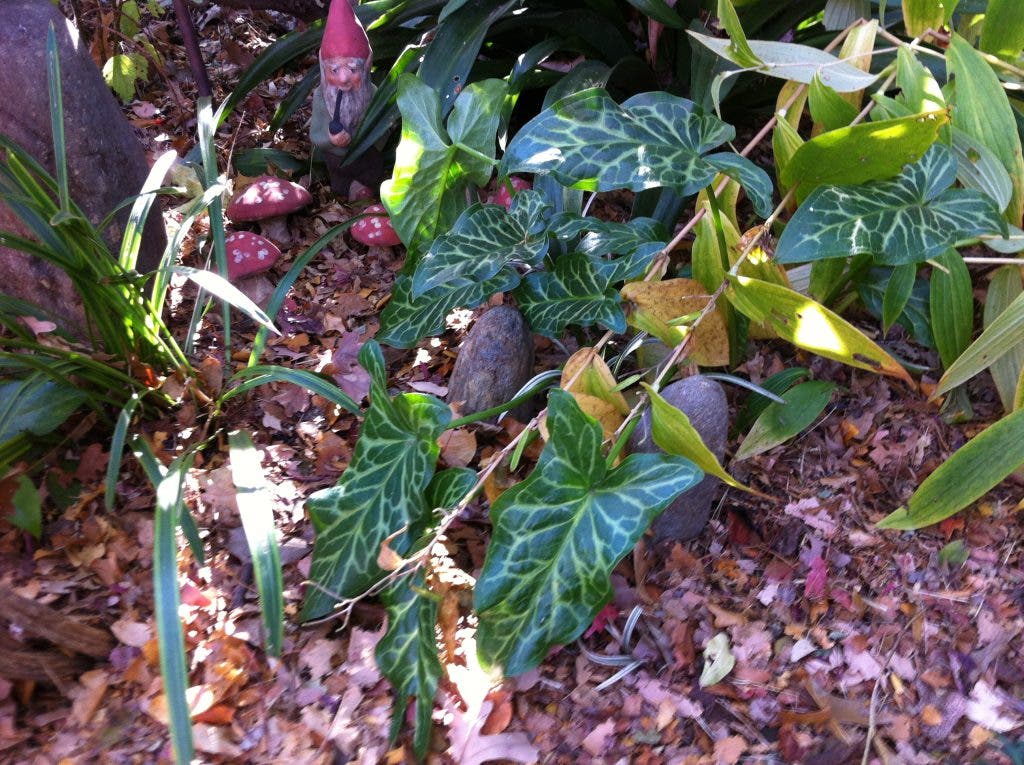
In the fall we tend to get rid of all of the leaves that fall to the ground in our yards and gardens. The leaves are actually nature’s best fertilizer.
Just think: for millions of years, there were no chemical fertilizers; only the nutrients provided by nature. If you rake up your leaves and mulch them into a fine mixture and then cover your planting beds with a 2-4 inch leaf mulch layer, then you are providing most of the nutrients that your plants/grass needs.
This also goes for turf grass and lawns. If you mow a layer of the leaves into the lawn in the fall and leave it there, much of it will be broken down by spring, and the remainder will continue to break down over the year as the new grass grows through it and covers it up. Natural fertilizer.
Find out what's happening in Collingswoodfor free with the latest updates from Patch.
The recommended amount is 2-4 inches per year for a healthy soil. Broken-down leaves provides food for beneficial soil inhabitants—bacteria, fungi, nematodes, worms, etc.—that in turn break down the nutrients and provide them to the roots of the plants. For best results use a variety of different leaves from different types of trees, oak, maple, elm, etc.
You can use a leaf blower/vacuum, but I have found that the best is to get a leaf mulcher. It can be placed on a trash can to contain the shredded leaves, and then used to carry the leaf mulch to the areas that you want to cover.
Find out what's happening in Collingswoodfor free with the latest updates from Patch.
For turf lawns, use a lawn mower. Spread out the leaves and allow the mower to chop them up right onto the lawn, leaving them to break down over the winter. At Longwood Gardens, this is used extensively on the planting beds with a 4-to-6-inch-thick layer.
The central plant in the photo is arum italicum, or Italian Arum. It starts to put out leaves in October, and will continue to do so into the spring/summer. It blooms in late winter/early spring and will produce a thick spadix of bright red berries.
If you should have any questions, please feel free to contact me at Ferret Hollow Gardens.