Health & Fitness
Self-Employed? You CAN Save for Retirement!
Stan Molotsky simplifies the world of long-term retirement savings for self-employed people without an employer-matched investment plan.
When you go into business for yourself, you may not think about how to get the kinds of financial benefits that employers often arrange for their employees.
With the Department of Labor suggesting that retirees will need to live on 70-90 percent of their pre-retirement income, it’s critical to find ways to protect yourself at every stage of your career.
Fortunately, there are outstanding investment options available to small business owners and self-employed professionals that can help provide for their futures.
Find out what's happening in Collingswoodfor free with the latest updates from Patch.
Simple IRAs have comparatively low start-up and administration costs. Investment earnings are tax-deferred until you withdraw them.
You can contribute money to a simple IRA the same way you business-expense your income tax. Your employees can contribute as well. Some plans match up to 10% of your contribution (contribute $1,000 and your plan is worth $1,100 from day one).
Find out what's happening in Collingswoodfor free with the latest updates from Patch.
SEP-IRAs can work best if you are self-employed, employed, or own a small business and wish to contribute for yourself and your employers.
As an employer, you decide each year whether a contribution will be made, and in what amount. Employee contributions to an SEP-IRA can be deducted from income tax as business expenses, and your business pays no tax on the earnings.
Individual 401K plans allow contributors to deposit the highest amount allowed by law ($22,000 in 2011 for people 50 and older). It's ideal for high-income earners and single-person businesses.
Finally, make sure you have adequate protection against illness, disability, and death—typical employer-sponsored benefits that a self-employed person should seek out.
In addition to these investment strategies, there are many more tax-deducted programs that are quite beneficial to the self-employed person. Your job is to explore them all and see which one fits.
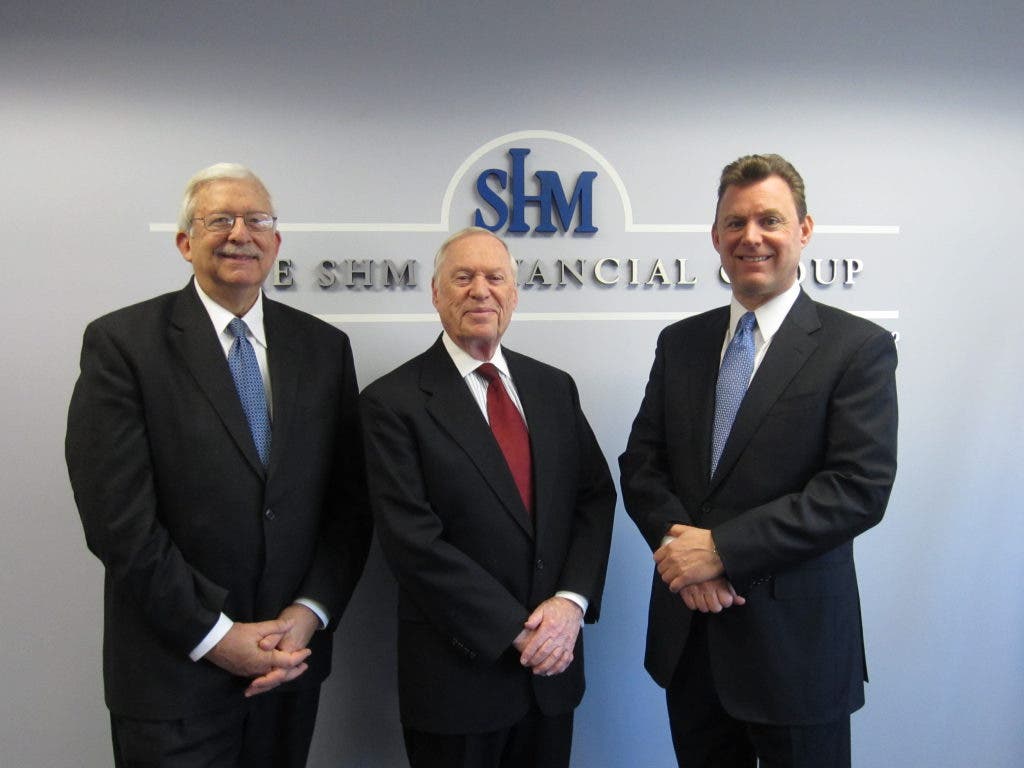
Stan Molotsky is President and CEO of the Voorhees and Collingswood-based SHM Financial Group. He hosts The Molot$ky Money Hour live Monday at 10 am on WWDB-AM 860 in Camden, Burlington, and Gloucester Counties, and Saturday at 7 am on WWOB-AM 860 in Ocean and Monmouth Counties.
The information in this article is not intended to be tax or legal advice, and it may not be relied on for the purpose of avoiding any federal tax penalties. Its content is derived from sources believed to be accurate.
Neither the information presented herein nor any opinion expressed constitutes a solicitation for the purchase or sale of any security. You are encouraged to seek tax or legal advice from an independent professional advisor.