Politics & Government
District Expands Student Drug Testing Policy
An athlete drug testing policy will extend to include all co-curricular activity participants—athletic or not—to maintain a drug-free district.

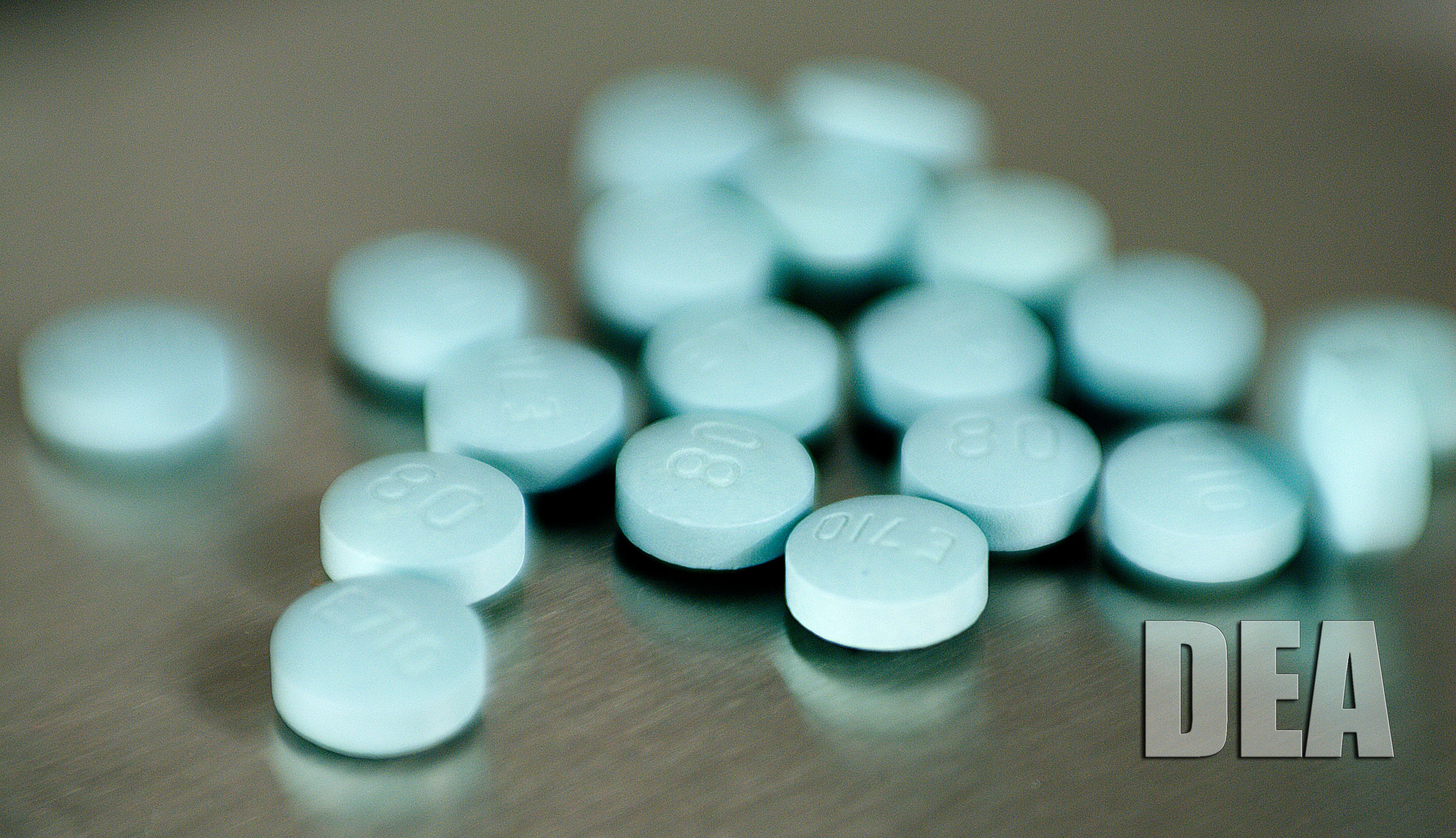
Collingswood Public School District Board of Education's current, random drug-testing policy for athletes has been expanded to include all students in co-curricular activities—athletic or not.
The policy extension was approved by board members on second hearing, during their Monday, March 28 meeting. District officials said the policy will not take effect until next fall.
Since 1997, Collingswood's athletes have been subject to a random drug testing policy, with athletic eligibility resting on consent from athletes and their parents.
Find out what's happening in Collingswoodfor free with the latest updates from Patch.
Until last month's policy extension, drug testing obligations were not required of any other part of the student body. Now, all students involved in any co-curricular activity—sports-related or not—must adhere to testing.
"(The board) has been discussing this (extension) for a year or so, as a manner to bring more students under the umbrella," said District Superintendent Scott A. Oswald.
Find out what's happening in Collingswoodfor free with the latest updates from Patch.
"The focus of the policy is preventative—giving kids another excuse to say 'no' (to drugs). Expanding the policy allows us to expand the group from which we select (for random tests), and may give a few more students an excuse to walk away."
According to Frank Belluscio, director of communications for the New Jersey School Boards Association (NJSBA), the extension makes Collingswood one of about 31 public school districts in New Jersey who randomly drug-test.
"(NJSBA's) most-recent compilation of information on random drug-testing... lists 31 school districts with policies authorizing random drug testing of student athletes, students participating in extra-curricular activities, and/or students with on-campus parking privileges," said Belluscio.
Oswald said because Collingswood does not have a campus parking lot, the board chose not to include this option.
Belluscio said NJSBA's information is anecdotal, and some of the 31 districts may have removed–or added—drug testing candidates or regulations since the list was first compiled.
NJSBA policy supports the rights of New Jersey local school boards to determine how such testing procedures are conducted, said Belluscio.
"(NJSBA has) been involved as a 'friend of the court' in cases that have preserved this authority," he said, citing a well-known case in which the U.S. Supreme Court decided to uphold a local board's right to extend drug-test policies to non-athletes.
And policy established under that very case—Hunterdon Central Regional School District—is what Oswald said Collingswood modeled its own policy around.
According to NJSBA's list, districts who at one time used drug-testing policies include high schools like Camden City, which tested athletes only; Sterling Regional High School, which tested athletes, parking permit-holders and students in extracurricular activities; and West Deptford (Gloucester County), which extended its athlete-only policy to include parking pass-holders and students in extracurricular activities.
Pennsauken Township's high school, according to NJSBA, at one point implemented a drug-testing program but later removed it.
According to Collingswood Public School District code, co-curricular activities are defined as, "activities conducted on or off school premises by clubs, associations and organizations of pupils sponsored by the board, and do not include athletic competitions and practices."
Also, district code maintains co-curriculars are activities which "must be related to the curriculum, but are not offered for credit toward promotion or graduation and are ordinarily conducted wholly or partly outside the regular school day.
"We do not test all students who participate in an activity outside of the school day, but instead have a company who selects a random sample from a list of eligible students."
Oswald said next month, the district will determine which drugs to specifically test for, when district officials cover policy regulation.
"The policy is not optional for students who participate in activities outside the core curriculum standards (the classroom). Students who opt to participate in activities outside the classroom may not opt out," said Oswald. "Parents of students who do not participate in activities may opt their students into the (testing) program, (but) this is not necessary."
Individual student names will be chosen for testing at random. Oswald said district officials will form a schedule of testing days, but this information will not be available to students.
"I can't stress enough that the goal behind the policy is not to catch kids, it's to help kids. Honestly, every parent should opt his or her son or daughter into the program," said Oswald. "If your child was hitting Route 130 on his 18th birthday, doing 90 miles per hour, would you want to know? If your child has a shoplifting problem that starts by pocketing gum and escalates to bigger items, would you want to get them help? This (policy) is no different—some kids today need help. Let us help you provide it.
"Peer pressure is amazingly powerful. Kids get pressure from parents,from friends, from school and from those who want them to 'just try it.' This gives them one more excuse to say no. Having said that, if a student does slip, we provide the student and their family with encouragement and resources through which to seek help. This policy is not meant to be punitive, but instead to be preventative."
Oswald admitted that while the policy won't deter everyone from using drugs, "Every little bit helps."
Get more local news delivered straight to your inbox. Sign up for free Patch newsletters and alerts.