Neighbor News
Making a Pet Disaster Plan
With a little proactive preparation, you can be sure your furry friend is ready to go and has a warm place to stay.

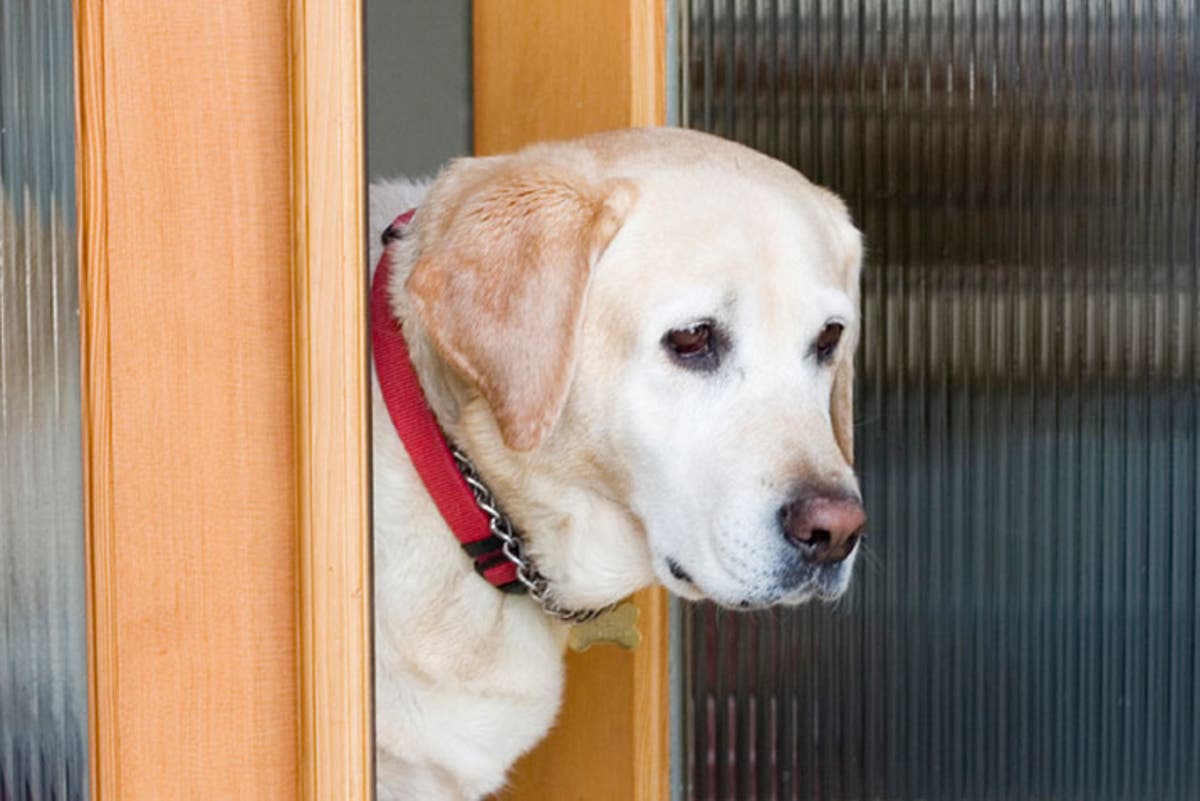
If you had to evacuate because of a hurricane, flood or other severe weather event, do you know what you’d do with your pets? While emergency shelters are available for people, not all of them allow pets, like cats and dogs. With a little proactive preparation, you can be sure your furry friend is ready to go and has a warm place to stay. Here are a few ideas to help you start your pet disaster plan and prepare for those “what if” scenarios:
Assemble a Pet Emergency Kit
Just like you’d put together an emergency kit for yourself and your family, take some time to prepare one for your pet, too. Make sure you have supplies so they can live comfortably for at least a few days. Here’s a list to help you get started:
- Food – If your pet is picky about food choices or has specific dietary needs, packing a few days of food can be especially important. Be sure to pack food and water dishes, and a manual can opener if you use canned food.
- Water – The ASPCA recommends one gallon of water per day.
- Baggies – You’ll need to collect your pet’s waste.
- Medicine – Make sure to include syringes if you inject medications or treats to hide pills if your pet is fussy about taking them.
- Leashes, collars, and a carrier – You may need some way to transport your pet or keep them contained.
- Vet records – In case you need to board your pets, you may need this information.
- Important phone numbers – Vet, groomer, boarding facility and other numbers pertinent to the care of your pet.
Proactive Planning
While you and your family may be able to stay at a shelter, what if it doesn’t accept animals? Take the time to make plans now so you aren’t left in a lurch during a disaster. Planning ahead is essential for safety.
Find out what's happening in Cranfordfor free with the latest updates from Patch.
- If you use a boarding facility, find out if they’re able to care for pets during an emergency.
- Start your search now for hotels that accept pets along your planned evacuation route, so you know exactly where to go.
- Consider working out a place to stay with a friend or family member, just in case.
For information on homeowners or flood insurance, please visit our website or contact Zita Santos-Martinez at (732) 832- 4132.
Article and photo courtesy of Plymouth Rock.