Health & Fitness
Red-Tailed Hawk - What An Incredible Bird
Our largest and most common hawk allows a close approach


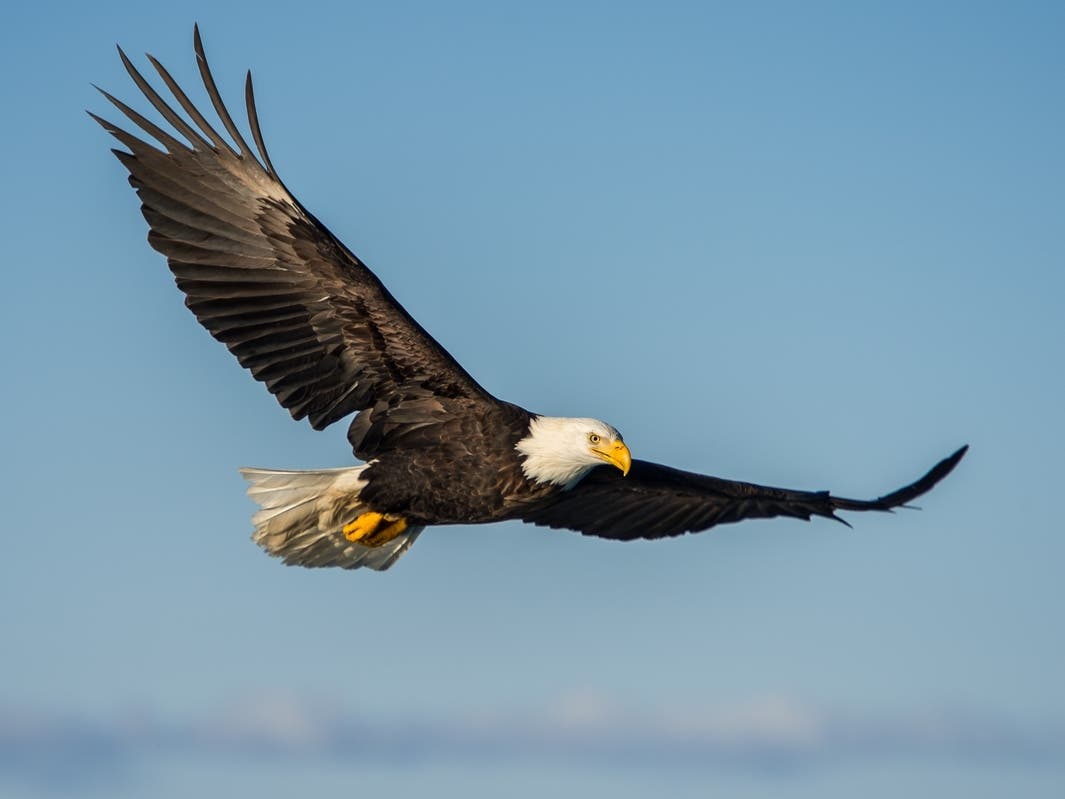
The other day I was driving into my neighborhood on a rainy dreary afternoon and saw a very wet Red-tailed hawk sitting on my neighbor's fence. Because I was in the car, it didn't seem to mind that I stopped right next to it and took a picture. I was able to get a similar photo from my car last year of a Red-tailed hawk that had killed a squirrel on the lawn at the Senior Center. For some reason, cars seem to work as the perfect wildlife observation blind allowing for a much closer look than would be tolerated otherwise. The Red-tailed hawk is our most common hawk in town and can often be seen soaring above East Brunswick. It is relatively easy to identify in flight because as the common name suggests it has a red tail which is easily seen as it soars. The tail feathers are red only on the upper surface so the red color is most easily see as they bank in flight. When they are perched, most Red-tailed hawks also have a "belly band" of brownish feathers across the white underparts. This is a big bird, easily able to feed on a rabbit, squirrel or chipmunk among just about any other small mammal or bird it can grab. The photo shows the huge hooked beak that is capable of ripping up any prey it can capture, the huge talons that can subdue most small animals and the large eyes that allow for incredible binocular vision far exceeding our abilities. An adult Red-tail hawk has a 4-foot wing span and weighs three pounds, a big bird for sure. This year we had at least three nesting pairs in town that I knew of, and I am sure there were at least a few more that I didn't know about. A few years ago the Environmental Commission (www.friendsebec.com) sponsored a contest for residents to find as many hawk nests as possible in town and I believe at least seven Red-tailed hawk nests were reported. Red-tailed hawk nests are big stick structures and are pretty easy to find before the leaves come out in the spring. The nests are often used for many years, but are sometimes absconded by Great Horned owls and Coopers hawks. Although Red-tailed hawks can be found in East Brunswick throughout the year, they are the most common in the winter when birds from colder more northerly areas migrate into New Jersey to take advantage of our somewhat milder and less snowy climate. At this season, they can be spectacularly abundant at Edgeboro Landfill where they feed on small mammals. It is not uncommon to be able to see more than a dozen at a time perched on the litter exclusion fence posts carefully watching for their next meal. Keep an eye out for these beautiful impressive hawks and let us know if you have any nests near your home by emailing us at friends.ebec@gmail.com.