Neighbor News
High Stakes: Marijuana in the Workplace
Legislative changes are allowing more people to use recreational and medicinal marijuana but what are the repercussions in NJ workplaces?

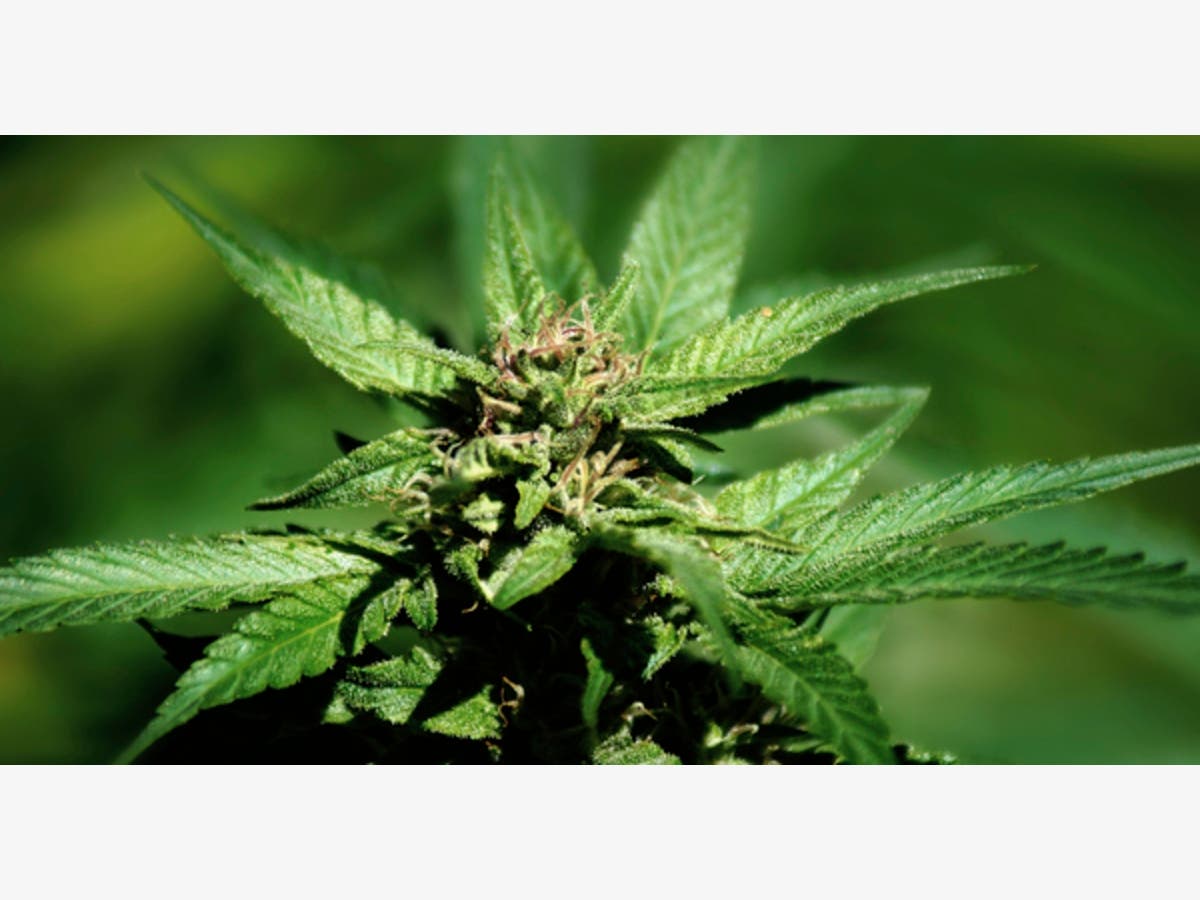
With legalized medicinal and recreational marijuana use on the rise, both employees and employers are quickly finding themselves in a sticky situation. Currently, marijuana has been legalized for recreational use in five states and our nation’s capital; legalized for some form of medicinal use in New Jersey and 34 other states, Guam and Puerto Rico; and decriminalized in three states and the U.S. Virgin Islands, leaving only eight states, American Samoa and the Mariana Islands, where marijuana is illegal for all purposes. In other words, forty-two states and three U.S. territories permit some form of marijuana use, with the majority supporting legalized marijuana for medicinal purposes. While New Jersey has legalized marijuana for medicinal purposes; there is strong sentiment by law makers and administration to expand the program for other medical ailments and legalize marijuana for recreation use.
Given these developments, and others likely to follow, employers who have workers who use marijuana face a daunting task. How do they comply with statutes, regulations and case decisions that conflict on this issue? It goes without saying that working under the influence of marijuana—or any intoxicant for that matter—is to be discouraged. But marijuana is known to stay in one’s system after its psychoactive effects wear off. Therefore, whether employers are able to penalize employees for engaging in state-sanctioned marijuana use, despite no indication of impaired work performance, is a difficult question to answer. As with most marijuana-related issues, this is a state-by-state determination.
Safety concerns are often a company's primary reason for prohibiting marijuana in the workplace, and they are a valid basis for banning the drug. Marijuana use has been linked to an increase in job accidents and injuries, and the National Institute on Drug Abuse (NIDA) notes that the short-term effects of marijuana include impaired body movement, difficulty with thinking and problem-solving, memory problems, blunts concentration, and alters sense of time.
Find out what's happening in East Brunswickfor free with the latest updates from Patch.
In May 2015, an article in the Journal of Occupational and Environmental Medicine (JOEM) concluded that there is a likely statistical association between illicit drug use, including marijuana, and workplace accidents. While some studies suggest that marijuana use may be reasonably safe in some controlled environments, its association with workplace accidents and injuries raises concern.
The impact marijuana use makes on transportation safety can be especially alarming. The drug impairs attentiveness, motor coordination, and reaction time and impacts the perception of time and speed. In addition, the National Highway Traffic Safety Administration (NHTSA) reports that, since medical marijuana was legalized in Colorado in 2009, the percentage of marijuana-positive drivers involved in fatal motor vehicle crashes there has increased significantly.
Find out what's happening in East Brunswickfor free with the latest updates from Patch.
The impact marijuana use makes on transportation safety can be especially alarming. The drug impairs attentiveness, motor coordination, and reaction time and impacts the perception of time and speed. Studies from the National Institute on Drug Abuse (NIDA) have found that marijuana negatively impacts driving performance, and other researchers have found that acute use of the drug increases the risk of crashes and fatal collisions.
Another 2009 study found an increased risk of accidents for levels of THC higher than five nanograms per milliliter of blood, as impairing as a blood alcohol concentration around the legal limit of 0.08 percent. Typically, a person would have to take several puffs of a joint to reach such a concentration in their bloodstream. Voters in Washington State have adopted the 5 ng/mL criterion as the upper threshold for drivers. Enforcing that limit presents a technical challenge, however unlike alcohol, marijuana cannot be detected with a relatively unobtrusive breathalyzer test. Law enforcement must find it in bloodstream—something that often requires a warrant. At the present time, police look for poor maneuvering and the smell of pot wafting from the vehicle to determine if a driver may be under the influence of a controlled substance.
A large population-based, case–control study of blood levels from more than 10,000 vehicle crashes in France revealed an increased dose-dependent odds ratio for a crash, from 2.18 for THC less than 1 ng/mL to 4.72 for THC 5 ng/mL or more. Menetrey et. al. found that any concentration of the psychoactive component was associated with impairment. The impairment of the highest doses was found to correlate with a sum of THC and THC-OH blood concentrations more than 4.6 ng/mL. Another study showed that under experimental conditions, plasma THC higher than a level of approximately 2 to 5 ng/mL established impairment, and levels of THC above 5 to 10 ng/mL, were indicative of severe impairment. A Norwegian study found that impaired drivers had, on average, blood THC levels higher than nonimpaired drivers, and those with levels of THC more than 3 ng/mL were at increased risk of being judged impaired.
Urine drug testing for marijuana via immunoassay followed by confirmatory GC/MS testing targets the inactive THCCOOH metabolite, which can be present for weeks after last use, and has no correlation with acute impairment. This testing is sufficient for federally regulated programs and in nonregulated environments where all marijuana use is illegal or prohibited by the employer. Detection of inactive THC metabolites (THC-COOH) in the urine of recreational users after legal use of marijuana would be analogous to detecting ethyl glucuronide (i.e., EtG—the “80-hour” ethanol metabolite) in the urine of a social drinker. Neither of these results would indicate acute impairment or violation of a law in states where marijuana is legal. For this reason alone, in states permitting marijuana use, the standard workplace urine drug testing of suspected impaired employees would be inadequate.
To assess for marijuana, a blood test for the cannabinoids THC, THC-OH, and THC-COOH can evaluate potential acute impairment from cannabis use. Studies suggest that the employee should be put on administrative leave until these results return, per established protocol. If THC (or THC plus THC-OH levels, for employers who choose to evaluate both psychoactive components) are above a plasma level of 5 ng/mL, the employee is likely acutely impaired by cannabis use. THC levels should never be assessed in isolation—definable signs of impairment (either documented by a supervisor and/or demonstrated on a medical examination) should also be present. Testing of oral fluid, that is, saliva, may prove useful in the future as a screening tool to determine whether further blood testing is necessary.
Nationwide, the use of the drug has increased dramatically. A survey from the National Institutes of Health (NIH) found that past-year use more than doubled between 2001 and 2013, from 4.1 to 9.5 percent of the population, and addiction rates increased from 1.5 to 2.9 percent of the population. A survey by the Substance Abuse and Mental Health Services Administration (SAMHSA) showed an increase in individuals who reported marijuana use over the past month, which rose from 6.2 percent of Americans over age 12 in 2002 to 8.4 percent in 2014.
Because marijuana can stay in a person's system from 24 to 48 hours after casual use and up to a month if a person is a chronic user, the question can arise of whether or not a person's job performance is still impacted by drug use if a person has not used it recently. In most states, a positive drug test can be used to indicate impairment. In addition to the risk of injury due to impairment, employers must also consider the possibility that increases in absenteeism and presenteeism may occur as marijuana-containing products become increasingly available to workers.
The National Institute for Occupational Safety and Health (NIOSH) reported that marijuana use directly affects the brain — specifically the parts of the brain responsible for memory, learning, attention, decision making, coordination, emotions, and reaction time. Heavy users of marijuana can have short-term problems with attention, memory, and learning, which can affect relationships and mood. Marijuana also affects brain development. The impact on the user depends on many factors and is different for each person such as the amount of tetrahydrocannabinol (THC) in marijuana (i.e., marijuana potency), frequency, age of first use, and whether other substances (e.g., tobacco and alcohol) are used at the same time.
There is mixed evidence about whether marijuana can cause cancer, partly because most people who use marijuana also use tobacco, a substance that does cause cancer. The compounds in marijuana can affect the circulatory system and may increase the risk of heart attacks and strokes. Studies, reported by NIOSH, have shown smoking marijuana can have a big effect on heart rate and blood pressure. Previous research has found a significant increase in the risk of heart attack in the hours after marijuana use. Long-term or frequent habitual marijuana use has been linked to increased risk of psychosis or schizophrenia in some users.
Harmful toxins and carcinogens are released when marijuana is burned. When these toxins and suspect carcinogens are smoked, they are inhaled into the lungs, increasing health risks. Smoke from marijuana contains many of the same toxins, irritants, and carcinogens as tobacco smoke. Smoking marijuana can lead to a greater risk of bronchitis, cough, and phlegm production These symptoms generally improve when marijuana smokers quit. Secondhand marijuana smoke contains tetrahydrocannabinol (THC), the chemical responsible for most of marijuana’s psychological effects, and many of the same toxic compounds in smoked tobacco. Breathing secondhand smoke could affect the health and behavior of nonsmokers. The evidence also shows that using marijuana during pregnancy may increase the baby’s risk for developmental problems.
Because of concerns regarding impaired neurodevelopment, as well as maternal and fetal exposure to the adverse effects of smoking, women who are pregnant or contemplating pregnancy should be encouraged to discontinue marijuana use. According to the American College of Obstetrician and Gynecologists (ACOG) recommends that physicians should be discouraged from prescribing or suggesting the use of marijuana for medicinal purposes during preconception, pregnancy, and lactation. Pregnant women or women contemplating pregnancy should be encouraged to discontinue use of marijuana for medicinal purposes in favor of an alternative therapy for which there are better pregnancy-specific safety data. Currently, there are insufficient data to evaluate the effects of marijuana use on infants during lactation and breastfeeding, and in the absence of such data, hence, marijuana use is discouraged.
Eating foods or drinking beverages that contain marijuana have some different risks than smoking marijuana, including a greater risk of poisoning. These “edibles” are products such as cookies, sodas, brownies, and candies that have been made with THC—the psychoactive ingredient in marijuana. The amount of THC can vary in edible marijuana products. This makes it harder to control how much THC is consumed.
For example, in states where recreational marijuana use is legal, one cookie or brownie might contain multiple “servings” in the product or package. That means a single marijuana cookie or brownie, or any other marijuana edible, might contain as much as 100 mg of THC. So, if someone ate an entire cookie or brownie—each one a single “serving”—it would be like taking many hits of a marijuana cigarette at one time. The amount of THC in homemade marijuana edibles can vary even more. Many users can be caught off-guard by the stronger potency and long-lasting effects of edibles. The effects of THC also take longer to feel when it is eaten instead of smoked. For those people who eat too much or quickly, it can lead to poisoning and/or serious injury.
Since 2010, limited cannabis use in New Jersey was permitted for medicinal purposes under the NJ Compassionate Use Medical Marijuana Act (CUMMA). Under CUMMA, employers must reconcile accommodating employee-alleged disability treated by prescription marijuana with the competing need to insure a safe and unimpaired workforce. CUMMA does not prevent employers from disciplining or terminating impaired employees; prohibits anyone from operating any vehicle or stationary heavy equipment while under the influence of marijuana; and requires no New Jersey employer to accommodate the medical use of marijuana in any workplace.
In June 2017, New Jersey’s legislature introduced Bill S3195 which, when enacted, will legalize recreational marijuana use in NJ. Among other things, the Senate bill will allow for the possession of up to one ounce of dried marijuana, 16 ounces of edible cannabis products, and 72 ounces in liquid form. S3195 differs from CUMMA in one significant respect: it creates a separate cause of action making it unlawful for employers to take “any adverse employment action” against an employee merely because that person uses marijuana.
Refusing to hire or firing such individuals are just two actions prohibited by S3195. This baseline prohibition is softened by two caveats. First, any employer may affirmatively assert the defense it has “a rational basis” for the adverse employment action which is “reasonably related to the employment.” This presumably includes safety-sensitive positions and instances when the responsibilities of the current or prospective employee mandate the need for drug-free personnel. Second, employers will remain free to take adverse employment action against an employee if failure to do so places the employer in violation of federal law or causes it to lose a federal contract or funding.
Those unfamiliar with marijuana may be surprised that its roots are deeply ingrained in American culture. Dating back to 1545, the Spanish introduced marijuana to North America as it imported the cannabis plant to Chile for its use as fiber. Soon thereafter, the English brought hemp to Virginia, where it quickly became a major commercial crop.
In the mid-to late 19th Century, marijuana became a medicinal ingredient and was sold to pharmacies in the United States. By the turn of the 20th Century, however, recreational marijuana use increased, which drew significant media coverage. In the 1920’s, marijuana became increasingly known for its psychoactive effects as a recreational drug. Concerns continued to mount through the 1930’s, resulting in the 1937 Marijuana Tax Act (50 Stat. 551), restricting possession of the drug to those paying a hefty tax for limited industrial and medicinal uses. Marijuana, and its impact on employment law, is currently a very prevalent topic in our legal system. The current status of the law, however, is convoluted and varies significantly by state.
Legalized recreational marijuana use is still a brand, new concept, and as of this writing is only permitted in five states—Colorado, Alaska, Oregon, Washington, and California. To date, however, the courts have not yet published a decision on recreational marijuana use in the realm of employment discrimination. But if the plethora of precedent on medical marijuana is any indicator, a high volume of case law may be headed our way. One of NJ Governor Phil Murphy’s top priorities is the decriminalization of marijuana in NJ. The proposed bill most likely to become law this year comes as employers are just getting comfortable with a workforce eligible for medical marijuana use.
As the law currently stands, employers are afforded the ability to narrowly craft a drug testing policy which meets their company’s need and comports with applicable law. See, e.g., Loder v. City of Glendale 14 Cal.4th 846 (1997). As such, employers—especially those in states which sanction medicinal marijuana use—should consider outlining a specific marijuana drug testing policy to help preserve a safe and productive work environment, while minimizing risk.
Such a policy should coincide with existing drug policies such as amphetamines, opioids, sleeping pills, and pain killers. In short, just because a drug comes with a prescription does not make it acceptable to consume it at work. This is especially true when taking a drug that adversely affects workplace safety and productivity. Regardless of what drug testing policy is in place, it should be clear that it is not permissible to be under the influence of drugs or alcohol while at work.
At the present time, NJ employers remain free to ban the use or possession of marijuana on the job. Though legal issues have arisen in other jurisdictions over the termination of workers for cannabis use, employers are protected by some language in S3195. Mirroring CUMMA, S3195 requires no New Jersey employer to permit or accommodate marijuana use in the workplace. Likewise, it does not affect the ability of employers to maintain zero tolerance policies prohibiting marijuana use or intoxication by employees during work hours and does nothing to change employers’ right to drug testing.
Employers may, therefore, continue to institute a zero-tolerance policy in the workplace, especially for workers in “safety-sensitive” positions. New Jersey still recognizes the public’s interest in ensuring workers in safety-sensitive positions are drug-free outweighs any individual right to privacy and permits employers to test those workers and to discharge them for failing those tests.
A “safety-sensitive” position includes those in which an employee is responsible for the safety of herself or others, like those involving driving or using machinery. If such a position requires a commercial driver’s license (CDL), then NJ employers must abide by the Omnibus Transportation Employee Safety Act of 1991, which requires all employers drug test employees whose duties require a CDL. Federal Department of Transportation (USDOT) guidelines prohibit the use of medical marijuana for transportation jobs, even in states where possession and use are legal.
If an employee tests positive for marijuana, NJ employers should ask if the worker has a current, valid prescription for medical marijuana. Then employers should further evaluate the employment situation and the specific demands of the job (and any competing regulations), in considering an employee’s use of medical marijuana.
Once an employer is notified an employee is a medical marijuana user, the NJ employer must be aware the employee is potentially disabled under the federal Americans with Disabilities Act (ADA) or NJ Law Against Discrimination (LAD) and/or has a serious health condition under the Family and Medical Leave Act (FMLA) or NJ leave laws. Though the ADA and LAD require no accommodation based on marijuana use, they require accommodations related to a covered disability and afford certain protections to disabled employees and applicants.
Therefore, NJ employers must consider the specific needs of the job as well as any applicable competing regulations before acting. An example of “reasonable accommodation” might include a modified work schedule allowing the employee to treat his condition with medical marijuana from home during normal work hours. If, however, the position is “safety-sensitive,” employers may assert there is no available accommodation because marijuana use by the employee or applicant may pose a direct threat to the health and safety of herself or others. Issues with attendance and productivity also can arise from marijuana use, and morale may be impacted. Despite the safety and productivity risks associated with marijuana use, however, the drug is increasingly seen as socially acceptable and its dangers may be marginalized.
Employers must ensure any adverse employment decision is made based on the employee’s use of marijuana, not the employee’s underlying medical condition. Indeed, S3195 makes it unlawful for employers to take “any adverse employment action” against an employee merely because that person uses marijuana. Refusing to hire or firing such individuals are just two actions prohibited by S3195. Further complicating matters, the psychoactive agent in cannabis can stay in a person’s system longer than other drugs, such as alcohol, making for a much longer period of time to test positive.
Impaired performance caused by marijuana use cannot be proven by current scientific methodology, making it difficult to show the root cause of a workplace accident or poor performance. New Jersey’s judicial opinions may shift to track evolving public policy in favor of lawful cannabis in general. The new legal claim created by S3195 joins the LAD and New Jersey’s Conscientious Employee Protection Act as yet another legal landmine facing NJ employers. To minimize risk and maximize compliance before S3195’s enactment, NJ employers should consider several options:
Under federal OSHA rules, employers have a federal mandate to address impaired workers who contribute to unsafe work environments. The best practice for employers is to begin with a clear written policy regarding chemical use and impairment. A comprehensive chemical substance policy includes guidelines for fitness-for duty evaluations and workplace drug testing. An MRO assessment should accompany workplace drug testing. That assessment should be based on a clear understanding between the MRO and the employer regarding policies established by the employer. An MRO is a licensed physician who is certified by an organization approved by the US Department of Health and Human Services.
Although no federal laws prohibit testing, several states have passed laws that limit random drug testing for workers in non–safety-sensitive positions. Drug testing is also prohibited in some situations unless there is reasonable suspicion the worker is impaired and unable to perform job duties safely. Therefore, workplace policies that rely on the observation of specific individual behaviors indicating chemical influence or impairment rather than a specific drug test result in isolation may provide a private employer with greater liability protection.
A clear and uniformly enforced cannabis policy provides the best defense and minimizes the risk of exposure to allegations of disability discrimination or retaliatory termination. The policy should, at a minimum, clearly communicate the prohibition of the use and possession of marijuana while at work and define key terms like “safety sensitive,” “recreational use,” “after hours,” and “under the influence.” The employer policy should include clear procedures and penalties for violations and be coupled with management and employee training.
Employers must protect themselves from discrimination for those employees with a reported and known medical problem or recognized disability. If an employer experiences difficulty in hiring qualified candidates due to their inability to pass standard drug screening, consider contracting for drug testing that distinguishes marijuana use from other drugs.
Employers should remain aware of all legal obligations by monitoring employees in “safety-sensitive” positions, nuances in applicable collective bargaining agreements, changes in drug testing rules, and other applicable laws, rules, or regulations. Employers should make ongoing good faith efforts at the highest corporate levels to maintain a drug-free workplace.
The health and safety of workers and the public must be central to all workplace policies and employers must clearly articulate that legalization of marijuana for recreational or medical use does not negate workplace policies for safe job performance. The evolving legal situation on medical and recreational marijuana requires employers to consult with legal experts to craft company policy and clarify implications of impaired on-duty workers. This changing environment surrounding marijuana use requires close collaboration between employers, occupational health professionals, and legal experts to ensure that workplace safety is not compromised.