Politics & Government
Sayreville Police Chief: Why I'm Worried About Legalizing Pot
"It is imperative we do not underestimate the adverse impact legalizing recreational marijuana will have on traffic safety," he wrote.


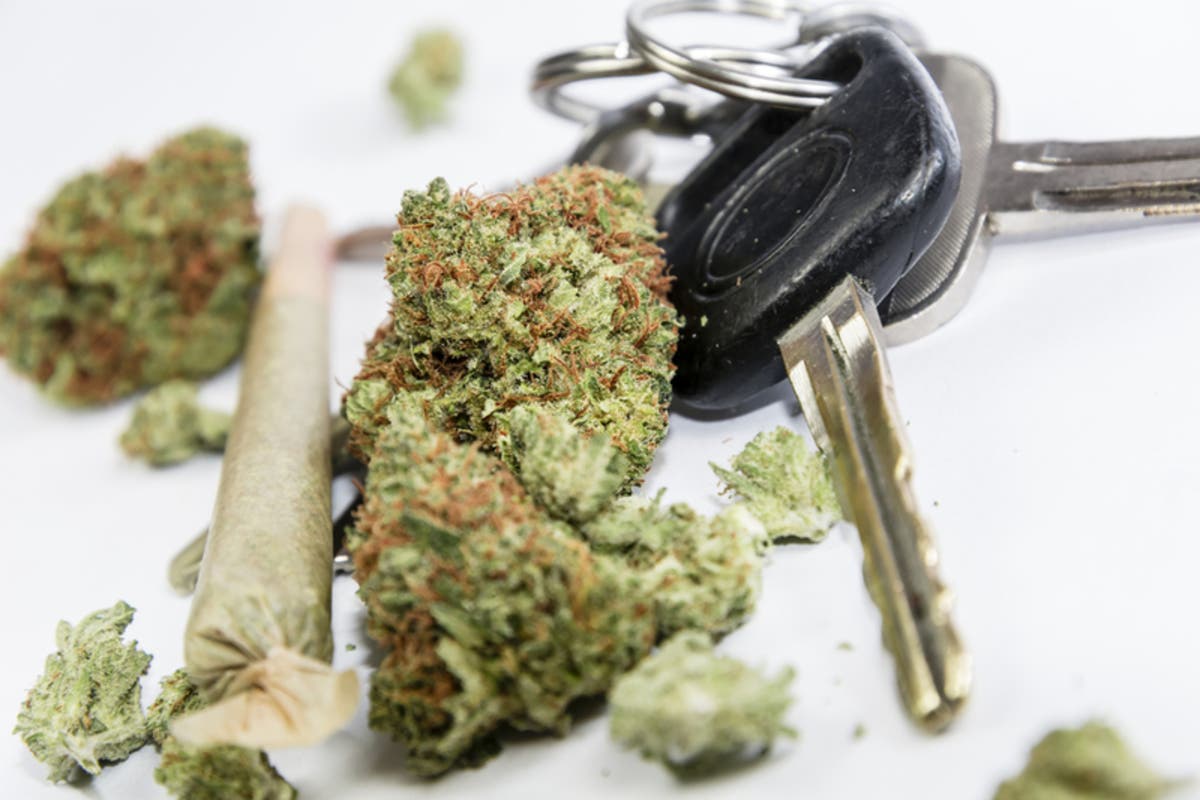
SAYREVILLE, NJ — The chief of the Sayreville police department, John Zebrowski, released the following op-ed letter last week, voicing his concerns about New Jersey legalizing recreational marijuana.
Gov. Phil Murphy has vowed to have the New Jersey state Legislature vote to legalize marijuana before the end of 2018. State Senate President Stephen Sweeney said a vote may be taken on Oct. 29, but that is not yet confirmed. One of the issues still being debated is how much New Jersey would tax marijuana; currently that number is 10 percent, one of the lowest marijuana tax rates in the country.
Zebrowski is the president of the New Jersey State Association of Chiefs of Police Association, a powerful coalition of police chiefs across the state. Here, he expresses concerns felt by many in the law enforcement community as New Jersey races to legalizing weed. Chief Zebrowski's letter, which he described as an "open letter" to the community, is as follows:
Find out what's happening in East Brunswickfor free with the latest updates from Patch.
As a member of the executive board for the New Jersey State Association of Chiefs of Police and the chairman of the NJSACOP working group, I would like to share the concerns of our membership who feel the legalization of recreational marijuana will adversely impact the quality of life of our residents.
The working group is comprised of seasoned and learned chief executives of law enforcement agencies from around our state whose purpose is to focus the discussion on the proposed legalization of recreational marijuana in New Jersey as it relates and affects public safety in our communities. One of the most salient
concerns we have relates to the consequences of drugged driving.
Find out what's happening in East Brunswickfor free with the latest updates from Patch.
Let me begin by telling you that I do not hold myself up as a clinical expert on the legalization of recreational marijuana. Rather, I am speaking to you as an experienced law enforcement officer with over 30 years enforcing laws related to impaired driving. My community has experienced its share of horrific crashes, traffic congestion, snarl-ups and delays, as well as pedestrian and cyclist fatalities. So I feel appropriately qualified to discuss the issues and concerns related to impaired driving, and in this case “drugged driving,” and its affect upon the motoring and non-motoring public.
I am not alone in this experience. New Jersey has some of the most heavily traveled and congested roadways in the United States. The collective efforts of the law-enforcement community to thwart drunk driving have met with a great deal of success, as the incidents of drunk driving and related crashes have been relatively low and stable over the last decade or so. But, drugged driving is not the same as drunk driving. Further, our collective understanding of the impairments due to drugged driving is limited.
Let’s begin with this point: Marijuana is not a benign drug. Impairment due to drugged driving has certain comparable similarities to impairment due to drunk driving, but it's the differences that will make the roadways less safe and the ability to enforce drugged driving laws much more difficult.
Alcohol is unique among impairing drugs in that there is a documented correlation between blood levels and levels of impairment. That doesn’t exist for other drugs and it has been shown to be non-existent for THC in marijuana. Currently it is not possible to identify a valid impairment standard for marijuana or any other drug equivalent to the .08% BAC limit for alcohol.
The members of the working group have researched the issue in an effort to better understand how the legalization of recreational marijuana will affect our communities. Thus far, that research validates our concerns and strengthens our collective resolve that the state of New Jersey should not legalize the use of recreational marijuana. For example, the percentages of traffic deaths related to the use of recreational marijuana doubled in Washington state in the year retail marijuana sales were allowed. In Colorado, marijuana is now involved in more than one of every five deaths on the road. These statistics highlight our concern and why it is necessary to wait until we have a better understanding how legalizing recreational marijuana will impact our state. (Editor's note: A study that analyzed insurance claims found a slighter higher increase in the number of crashes in Colorado, Washington and Oregon, which have all legalized marijuana, but a second, separate study published in the American Journal of Public Health found no increases in car crash fatalities in Colorado and Washington.)
We feel that it is much better to postpone any decision until independent and comprehensive research has been completed using a better sampling of size and time. But, given the statistics that are available today, it is clear and indisputable the use of recreational marijuana negatively impacts both the motoring, pedestrian and special-needs community and that innocent people in states where recreational use of marijuana has been legalized are at a greater risk of harm, injury and death due to the increased numbers of drugged drivers.
As previously noted, it has been a collective and successful effort from law enforcement, legislators, advocates and our community members making the superhighways, our heavily traveled arteries, and each local roadway safer with motor vehicle crash rates due to drunk driving at low numbers.
This is not the time to reverse that course. It is imperative we do not underestimate the adverse impact legalizing recreational marijuana will have on traffic safety within our communities.
Photo credit: Shutterstock
Get more local news delivered straight to your inbox. Sign up for free Patch newsletters and alerts.