Neighbor News
Ask a Doc: Old Bridge Medical Center’s Dr. Sergey Terushkin Explains Medical and Surgical Weight Loss Options
Options for treating obesity are many, and deciding what to do can be daunting. Dr. Sergey Terushkin walks you through the options.
Obesity is a significant and complex public health issue affecting millions of Americans, including many right here in our community.
Nationally, about 40% of adults are living with obesity. Excess weight seriously increases the risk for a wide range of other diseases and health problems that can affect nearly every part of the body.
It can lead to high blood pressure and unhealthy cholesterol levels, which are major risk factors for heart disease and stroke. In people with obesity, the heart has to work harder to pump blood throughout the body, which can lead to heart failure. Obesity is a primary cause of Type 2 Diabetes, as it can impair the body's ability to use insulin to control blood sugar levels. In fact, about 89% of adults with diabetes in the U.S. are overweight or obese.
Find out what's happening in Edison-Metuchenfor free with the latest updates from Patch.
Additionally, obesity is linked to a higher risk for at least 13 types of cancer, including cancers of the breast, colon, liver, and pancreas. This is because excess fat tissue produces hormones and other substances that can cause cells to divide more rapidly, increasing the chance that cancer cells will develop. The condition also contributes to respiratory issues such as sleep apnea, a serious disorder with frequent breathing pauses during sleep.
In 2023 the adult obesity rate was at nearly 30%, a marked jump from 2011, when it was just under 24%, according to the New Jersey Department of Health. This growing health crisis is leading more and more people to seek effective, long-term solutions.
Find out what's happening in Edison-Metuchenfor free with the latest updates from Patch.
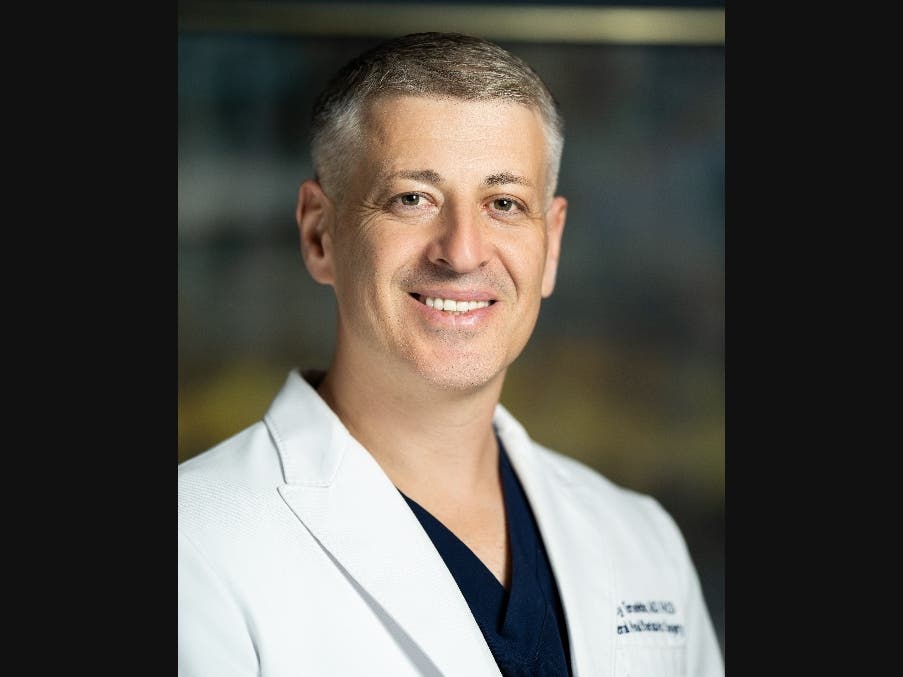
To shed light on some options for weight loss treatment is Dr. Sergey Terushkin, who is chief of bariatric surgery for Hackensack Meridian Health Old Bridge Medical Center and the director of the hospital's Weight Loss Center.
Q: What are the different treatment options offered at the Weight Loss Center?
We offer both injectable and oral anti-obesity medications (AOMs), as well as surgical and endoscopic bariatric procedures.
Each bariatric procedure is different. They include:
- Robotic and Laparoscopic Sleeve Gastrectomy: This surgery removes about 80% of your stomach, leaving a small, banana-shaped pouch to help suppress appetite and consume small portions.
- Robotic and Laparoscopic Gastric Bypass: A surgeon creates a small stomach pouch, about the size of an egg, and connects it directly to the middle of the small intestine, causing you to absorb fewer calories.
- Robotic SADI-S (Single Anastomosis Duodeno-Ileal Bypass with Sleeve Gastrectomy): This procedure combines a sleeve gastrectomy with an intestinal bypass, rerouting food to skip a significant portion of the small intestine to reduce calorie absorption.
- Robotic and Laparoscopic Gastric Banding: An adjustable silicone band is placed around the top of the stomach to create a small pouch, making you feel full sooner.
- Revisional bariatric procedures: This is a follow-up surgery to modify a previous weight-loss operation for patients who either did not reach their goal weight or regained weight..
- Endoscopic bariatric procedures: These are non-surgical procedures where a special device attached to a flexible camera is inserted through the mouth and is used to to reduce the volume of the stomach from the inside, without any incisions.
Routinely, we place patients on a high protein liquid diet immediately before the surgical procedure, which helps them lose weight and reduce the size of the liver, making the procedure technically easier and safer.

Q: What should a person consider with their doctor before deciding on a weight loss treatment?
Before pursuing a weight loss treatment, a person should consider several factors with their doctor, including their functional status, quality of life, BMI, and whether they have medical issues such as the presence of diabetes, hypertension, sleep apnea, or heart disease. This can determine which treatments would be a better fit.
We also take into account the medications the patient is taking because they can interact with weight loss drugs. Those drugs include antidepressants, medication for diabetes and blood pressure, and blood thinners.
We discuss their weight-related goals, lifestyle and behavioral factors, contraindications, as well as the cost and accessibility.
If we feel someone is a good candidate, we go over the risks and benefits, and what they can expect during and after treatment.
For surgical weight loss, the criteria is BMI of 35 and above, regardless of whether or not the person has comorbidities, or a BMI of 30 to 35 with comorbidities. If a patient’s BMI is too high, we ask them to lose a certain amount of weight to make the procedure safer.
Q. A new KFF Health Tracking Poll reveals that about one in eight adults (12%) are now using a GLP-1 drug like Ozempic or Wegovy for weight loss or a chronic condition. What are possible side effects of weight loss medications?
The most common risks with any medication are allergic reactions or adverse effects. Allergic reactions to weight loss medications tend to be uncommon and very mild. The side effects may include nausea, constipation, acid reflux, bloating or indigestion.
But the good news is that most patients do not experience side effects. When adverse effects do occur, most patients find that they are short-lived and mild. There are also tools that we can use to mitigate the adverse effects such as laxatives and anti-nausea medication.
Q. What are the benefits?
The benefit is weight loss, and everything that comes from it–improvement in blood pressure and blood glucose control, not just for patients with Type II diabetes but also for pre-diabetic patients. Weight loss also leads to improvement or resolution of life-threatening conditions such as obstructive sleep apnea and fatty liver disease. Losing weight also helps reduce stress on our joints for patients with osteoarthritis.
For people who qualify for weight-loss medications, it is an alternative to surgery.
Q: As far as bariatric surgery, does a person look immediately thinner after the procedure?
No, they do not. Unlike cosmetic procedures, weight loss after bariatric surgery generally occurs over a period of about 12 to 18 months.
Q: What is the recovery like after bariatric surgery?
Recovery is relatively fast because the procedures are minimally invasive. Most patients are able to return to work within one to two weeks.

Q: Is it possible to regain all or most of the weight after bariatric surgery?
Although it is unlikely, it is possible to regain some or all of the weight. The surgery is a powerful tool, but long-term success is dependent on sustained changes in eating habits, physical activity levels, and behavior. Not adapting to these lifestyle modifications could lead to weight regain.
Q: Do people who have bariatric surgery or take weight-loss shots still need to diet?
Yes. It is a common misconception that these treatments are a substitute for a healthy lifestyle. Bariatric procedures and anti-obesity medications are aids for weight management. For long-term success, proper eating habits, healthier food choices, and regular physical activity are crucial.
Q. Which option–surgical or medical–tends to have longer-lasting effects?
There’s no question that surgical weight loss is more sustainable and durable than medical weight loss.
We always tell our patients that regardless of which option they choose to go with, it is only one piece of the puzzle.
Reaching and maintaining a healthy weight is a lifelong commitment. Surgery or pharmacotherapy is not a substitute for a healthy lifestyle. Long term success in weight management requires improved eating habits and regular exercise routine. It takes a focused and sustained effort to lose weight and keep it off.
For more information about weight loss treatment options at Old Bridge Medical Center, visit https://www.hackensackmeridianhealth.org/en/locations/center-for-weight-loss-at-old-bridge-medical-center or call 732-360-4268.