Neighbor News
This Labor Day Weekend, Be Careful Not to Raise Your Risk for ‘Holiday Heart Syndrome,’ Warn Cardiologists
Overindulging in Food and Alcohol, Even During a Weekend, Can Adversely Affect Your Heart
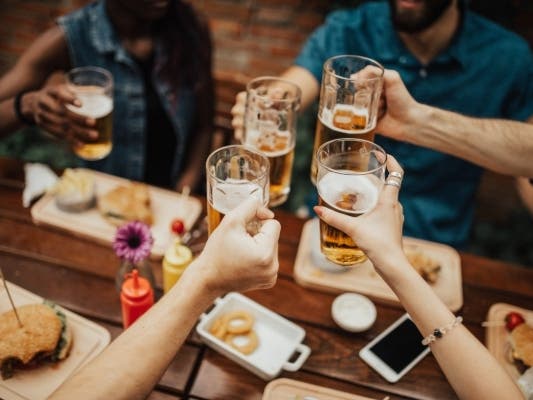
It’s the unofficial end of summer–Labor Day Weekend, when across the country many gather for barbeques with friends and family. Burgers, hot dogs and sausages cook on the grill. Many down alcohol while waiting to eat and socializing, then have dessert and perhaps more alcohol. Some will end up in a hospital emergency department with “Holiday Heart Syndrome.”
The term refers to cardiac arrhythmia, or atrial fibrillation (AFib), that can follow excessive drinking and overeating. Cases of AFib tend to rise in emergency departments after holidays and long weekends.
“Throughout the year, many people strive to control their food and alcohol intake, whether because they want to manage their weight, or because of conditions such as diabetes and high blood pressure,” says Aaron Feingold, M.D., chair of Cardiology at Hackensack Meridian JFK University Medical Center. “But during holiday weekends, people can get caught in the revelry of social gatherings with friends and family, and consume too much salt, sugar and alcohol, which can lead to Holiday Heart Syndrome.”
Find out what's happening in Edison-Metuchenfor free with the latest updates from Patch.
Even moderate drinkers can experience Holiday Heart Syndrome after consuming three to four drinks in a short period, and people who engage in binge drinking (more than 5 drinks for men, and more than four for women in two hours) are especially at high risk of AFib. The common holiday practice of consuming large portions of high-sodium foods (exceeding 2,300 mg daily sodium intake) combined with rich, fatty meals can trigger AFib symptoms since excess sodium causes fluid retention and increases blood pressure, putting strain on the heart.
A National Institutes of Health report noted that Holiday Heart Syndrome is common in emergency department settings, “with alcohol serving as a precipitating factor for atrial fibrillation in 35% to 62% of cases, especially 12 to 36 hours after cessation of binge drinking.”
Find out what's happening in Edison-Metuchenfor free with the latest updates from Patch.
“Excessive alcohol acts like a toxin to heart muscle cells, disrupting their electrical signals and causing irregular beating,” Dr. Feingold explains. “Large, salty meals cause your body to retain fluid, increasing blood volume and forcing your heart to work harder—imagine trying to pump thick liquid through a garden hose. This combination can trigger dangerous arrhythmias even in healthy hearts.”
Holidays create a “permission mindset” where social pressure, emotional associations with food, and the temporary nature of celebrations override our usual self-control. The brain’s reward system becomes hijacked by the festive atmosphere, making us rationalize that “just this once” won’t matter.
“But our hearts don’t distinguish between special occasions and regular days,” Dr. Feingold stresses.
AFib can occur without symptoms. Some people might experience fatigue, irregular heartbeat, dizziness, a fluttering sensation in the chest, or shortness of breath, among other things. When the heart doesn’t beat properly, a person can run the risk of blood clots that can lead to a stroke and other medical emergencies.
Hackensack Meridian Jersey Shore University Medical Center’s Chairman of Cardiology Brett Sealove, M.D., urges moderation when at a gathering–whether for the holidays or other special occasions–where abundant alcohol and food will be present.
Their tips include:
- Alternate alcoholic drinks with water
- Eat before drinking to slow alcohol absorption
- Choose smaller portions of rich foods while filling up on vegetables and lean proteins
- Set a drink limit before arriving at parties
- Set further limits if you have conditions such as diabetes
“Remember that you can fully participate in celebrations without overindulging—the memories come from the people and experiences, not the excess consumption,” says Dr. Sealove.