Neighbor News
Make Sure to Get Screenings for These Four Cancers, Says Hackensack Meridian Surgeon
In the fight against cancer, one tool saves more lives than almost any other: screening, says Dr. Faiz Bhora, a thoracic surgeon.
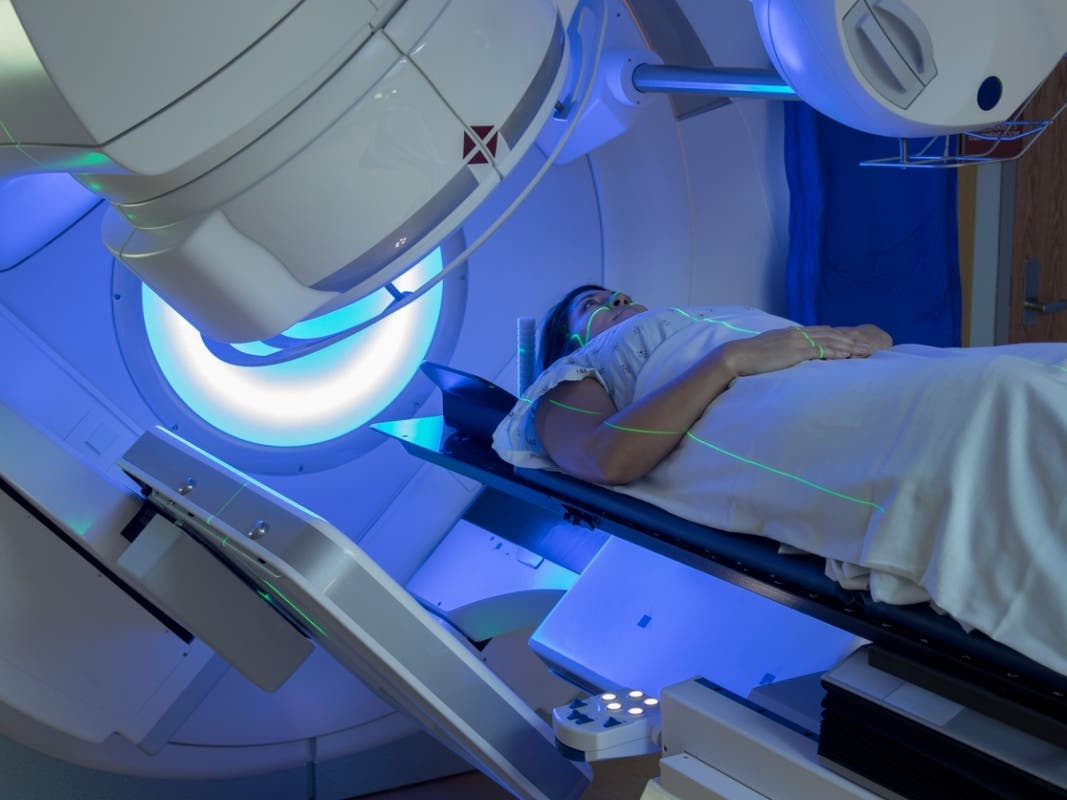
In the fight against cancer, one tool saves more lives than almost any other: screening, says Dr. Faiz Bhora, a nationally recognized thoracic surgeon.
When cancer is caught early, patients have a far greater chance of survival and more effective treatment options.
Screening is one of the most powerful ways to reduce cancer-related deaths, Dr. Bhora says, echoing guidance from the American Cancer Society.
Find out what's happening in Edison-Metuchenfor free with the latest updates from Patch.
The U.S. Preventive Services Task Force recommends regular screenings for four specific types: lung, breast, colorectal, and cervical.
"These are the most common cancers—and the ones where we have proven screening tools that save lives," explains Dr. Bhora, a thoracic surgeon at JFK University Medical Center and Chairman of Surgery for Hackensack Meridian Health’s Central Region.
Find out what's happening in Edison-Metuchenfor free with the latest updates from Patch.
Among the four, Dr. Bhora places particular emphasis on lung cancer, the leading cause of cancer-related death for both men and women.
The Lung Cancer Imperative
For breast cancer, the American Cancer Society recommends that women with an average risk have the option to start annual mammograms at age 40, and recommends an annual screening for women aged 45 to 54. Women 55 and older can switch to mammograms every two years or continue annually, as long as they are in good health with a life expectancy of at least 10 more years.
For colorectal cancer, regular screening is recommended for average-risk individuals starting at age 45. This can involve stool-based tests or visual exams of the colon and rectum, like a colonoscopy. Screening should continue until age 75, after which the decision to continue is based on individual health and past screening history.
Cervical cancer screening guidelines recommend starting at age 25. The preferred method is a primary HPV test every five years, though other options like co-testing or a Pap test alone are also acceptable. Screening can stop at age 65 for those with a history of regular, normal results.
For lung cancer in high-risk individuals—specifically current or former smokers aged 50 to 80 with at least a 20 pack-year history—the ACS advises annual screening with a low-dose CT scan. This recommendation now includes a broader age range and lower smoking history than previous guidelines.
Among these, Dr. Bhora places a particular emphasis on lung cancer, which is the leading cause of cancer-related deaths for both men and women.
"If you’re a smoker or a former smoker, you should be getting an annual scan," he says. "Your primary care physician can help make sure you’re staying on track."
Dr. Bhora distinguishes between the strategy of lowering one's risk—for example, by not smoking—and the critical importance of early detection. While some carcinogens like asbestos are known to cause cancer, determining an individual's overall risk is a complex puzzle.
"It’s multifactorial," he says. "It’s part genetic, dietary, environmental."
A patient diagnosed with Stage 1 lung cancer has an approximately 80 percent survival rate, Dr. Bhora notes. For Stage 4 disease, survival drops to less than 5 percent.
Even for patients diagnosed with advanced disease, the treatment landscape is improving, Dr. Bhora says.
"Immunotherapy helps the body’s immune system recognize and fight cancer," he explains.
How to Navigate Your Cancer Care
When a screening identifies a concern, Dr. Bhora stresses the importance of choosing the right medical team.
A Multidisciplinary Team: Seek out "the best doctors with the best outcomes working in a multidisciplinary fashion."
Specialized Expertise: Ensure your surgeons have specialty training in cancer surgery. "A general surgeon shouldn’t be doing cancer surgery in major institutions," he cautions.
Advanced Technology: The institution should provide access to the most advanced robotic technology for minimally invasive procedures. Dr. Bhora highlights the significant difference this makes for patients. "How the operation is done, through small incisions, or a big incision in a patient’s chest... the pain and recovery from [a larger] incision can be significant."
Patient Support: Look for hospitals that provide patient navigators to help guide you through the complex process of cancer care.
Dr. Bhora, who is a professor of surgery at the Hackensack Meridian School of Medicine, also addresses a common fear among patients: that a scan might uncover an insignificant issue, leading to unnecessary procedures.
"That’s why you need a good doctor who decides what needs to be biopsied and what needs to be removed," he clarifies.
For Dr. Bhora, whose parents were both physicians, the work is a personal mission.
"Cancer is always going to happen," Dr. Bhora says. "The question is whether we find it early, when it’s most treatable."
"The vision and the passion is to try to bend the arc of cancer care to where we’re finding patients in earlier and more treatable stages of cancer rather than advanced stages," he says. "And that needs screening.”
For more information about cancer services at JFK University Medical Center, please call 732-635-9300 for Subspecialized Surgeons, 732-750-1200 for Medical Oncology & Hematology and 551-996-2533 for Orthopedic Oncology.