Community Corner
Your Teeth May Be Only Part of the Story: What Is Physiologic Dentistry?
Jaw tension, worn teeth, an uncomfortable bite, and recurring facial discomfort may be signs that it's time to look beyond individual teeth.
This is a paid post contributed by a Patch Community Partner. The views expressed in this post are the author's own, and the information presented has not been verified by Patch.
Most of us think of dentistry as taking care of teeth and gums. We go to the dentist for cleanings, cavities, crowns, or cosmetic treatments - but the way your teeth come together is part of a much larger system.
Your teeth, jaw joints, and chewing muscles all work together every time you speak, chew, swallow, or smile. When evaluating a patient, looking at how these structures function together can provide a more complete picture of their oral health.
This broader perspective is at the heart of physiologic dentistry.
"We don't treat teeth in isolation," says Dr. Marlen. "We look at the person as a whole - how the teeth come together, how the jaw moves, how the muscles function, and how all of those elements work together. Our goal is to create dentistry that is not only beautiful, but also comfortable, functional, and designed with long-term health in mind."
So, what exactly does that mean for a patient?
Looking Beyond Individual Teeth
Traditional dental examinations appropriately focus on important fundamentals such as cavities, gum health, infections, and damaged or missing teeth.
A physiologic approach adds another layer to that evaluation by considering how the entire chewing system functions together.
That may include evaluating the bite, jaw movement, temporomandibular joints (TMJs), chewing muscles, tooth wear, and other clinical findings.
The goal is not to assume that every symptom comes from the bite. Rather, it is to gather more information and understand the possible factors contributing to a patient's concerns.
Your Bite Is More Than How Your Teeth Look
When dentists talk about your "bite," they are referring to the way the upper and lower teeth contact each other.
But function involves more than simply whether the teeth appear straight.
The jaw joints and muscles also play important roles in opening, closing, chewing, and positioning the lower jaw. This is why two people can have smiles that look similar yet experience their bite very differently.
Some patients may notice symptoms such as jaw fatigue, muscle tenderness, tooth wear, clenching or grinding, or a bite that simply doesn't feel comfortable.
These symptoms can have multiple causes, which is why a thorough evaluation is important.
What Can Your Teeth Tell Us?
Sometimes the mouth leaves clues.
Excessive or unusual tooth wear, chipped teeth, fractured restorations, or repeated damage to dental work may prompt a dentist to look more closely at how the teeth are functioning.
That doesn't necessarily mean the bite is responsible. Grinding, habits, tooth structure, restorative materials, diet, and other factors may also contribute.
The important question is not simply, "How do we repair this tooth?"
It's also, "Why did this happen, and is there anything we should consider when planning the restoration?"
That distinction can be especially important when planning extensive restorative or cosmetic dentistry.
Why Function Matters in a Smile Makeover
A beautiful smile should do more than look beautiful.
Before changing the shape, position, or length of teeth, it can be valuable to consider how those changes will interact with the patient's bite and jaw function.
This is where physiologic principles can become part of cosmetic and restorative treatment planning.
Whether treatment involves bonding, veneers, crowns, implants, or a more comprehensive smile makeover, the goal is to create a result that feels as thoughtfully designed as it looks.
For Dr. Marlen, aesthetics and function aren't separate conversations. They're part of the same treatment-planning process.
What About TMJ Problems and Headaches?
Jaw pain, facial pain, headaches, clicking, limited jaw movement, and other symptoms can be complex. They may have several possible causes, and no single dental treatment is appropriate for everyone.
A comprehensive dental evaluation can help identify relevant findings and determine whether additional evaluation or collaboration with another healthcare professional may be appropriate.
For patients experiencing persistent pain or other concerning symptoms, an accurate diagnosis should always come before treatment.
Technology That Helps Us Look Beyond the Surface
One of the most exciting aspects of modern physiologic dentistry is the ability to gather information that goes beyond what can be seen during a traditional dental examination.
At Marlen Elite Dental Wellness, advanced diagnostic technology can be incorporated into a patient's evaluation when appropriate.
T-Scan® digital bite analysis can provide information about the timing and distribution of tooth contacts when a patient bites. Rather than relying only on traditional marking paper, digital bite analysis can give the
dentist additional data to evaluate how the teeth are contacting.
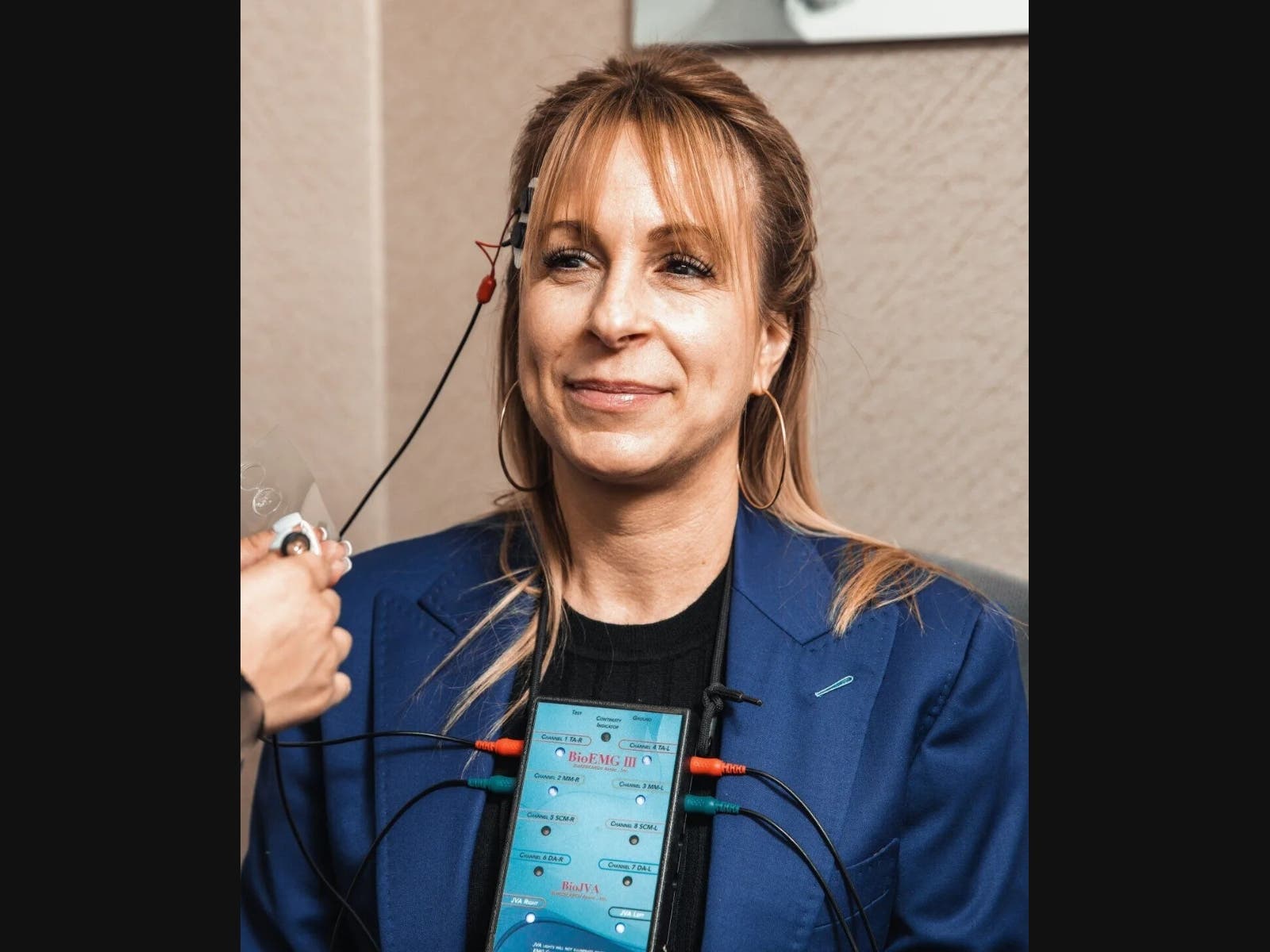
Electromyography (EMG) can be used to measure activity in certain jaw and facial muscles. This information can help provide another perspective on how the muscles are functioning during an evaluation.
Jaw-tracking technology can record mandibular movement, allowing the dentist to study how the lower jaw moves during different functions.
CBCT (cone-beam computed tomography) provides three-dimensional imaging of dental and craniofacial structures. When clinically appropriate, it can offer information that conventional two-dimensional dental X-rays cannot provide.
Digital intraoral scanning creates a highly detailed three-dimensional model of the teeth and bite without relying solely on traditional impression materials. These digital models can be useful for treatment planning, restorative dentistry, orthodontics, and smile design.
Individually, each technology provides a different piece of information. Together with a comprehensive examination and the patient's history, these tools can help create a more detailed picture of the teeth, bite, muscles, joints, and jaw function.
Technology doesn't replace clinical judgment. It gives the dentist additional information that can help guide a thoughtful, individualized treatment plan.
Dentistry Designed Around the Individual
No two patients have exactly the same teeth, facial structure, jaw movement, lifestyle, or goals. That's why comprehensive dentistry should never feel one-size-fits-all.
At Marlen Elite Dental Wellness, our approach begins by listening. We combine advanced technology with careful clinical evaluation to understand not only what a patient's smile looks like, but how it functions.
Whether you're considering restorative treatment, a smile makeover, or simply want to better understand your bite and oral health, the first step is a conversation.
To schedule a personalized consultation with Marlen Elite Dental Wellness, call (201) 546-8512.
Because exceptional dentistry isn't only about how your smile looks. It's about how it looks, feels, and functions together.
This post is an advertorial piece contributed by a Patch Community Partner, a local brand partner. To learn more, click here.