Neighbor News
GLP-1 Weight Loss: Medication Versus Movement
GLP-1 medications lower appetite. Movement preserves muscle, strength and the body's ability to burn calories for optimal weight loss.


By Dr. Seun Sowemimo - Prime Surgicare - Freehold, NJ
GLP-1 weight-loss medications like Wegovy, Ozempic, semaglutide and tirzepatide are powerful tools designed to:
- Decrease appetite
- Improve blood sugar
- Reduce weight
But here is the harder question: Does weight loss medication replace the need for exercise?
Find out what's happening in Freeholdfor free with the latest updates from Patch.
This week, the New York Times highlighted how GLP-1 drugs may influence exercise habits. Some patients report feeling lighter and more motivated to move. Others unintentionally rely on the medication alone, assuming weight loss will continue regardless of activity level.
That assumption is where problems begin.
Find out what's happening in Freeholdfor free with the latest updates from Patch.
Medication Reduces Hunger. It Does Not Create Fitness

GLP-1 receptor agonists work by regulating appetite and slowing gastric emptying. They can dramatically reduce caloric intake. What they do not do automatically is:
- Preserve lean muscle
- Improve cardiovascular conditioning
- Increase strength
- Protect long-term metabolic rate
If weight loss occurs without resistance training and adequate protein intake, muscle loss can occur alongside fat loss. From a metabolic perspective, that matters. Muscle is protective. It improves insulin sensitivity, supports long-term weight maintenance and influences how your body burns energy.
Medication can quiet food noise. It does not replace structure.
Why Physician-Guided GLP-1 Therapy Matters
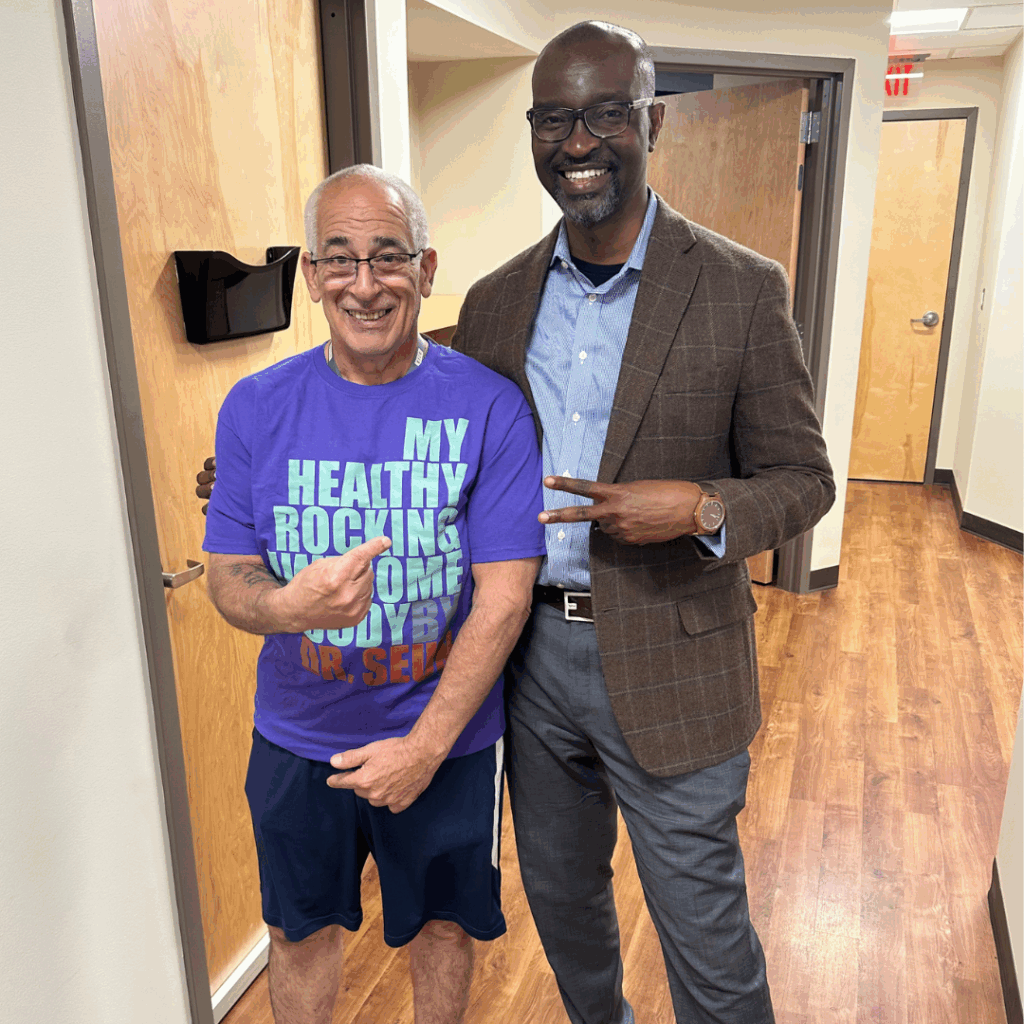
There is growing access to GLP-1 medications through online, cash-pay platforms with limited supervision. That model ignores the complexity of obesity and metabolic disease.
At Prime Surgicare, GLP-1–assisted weight loss is integrated into a comprehensive plan that includes:
- Metabolic evaluation
- Nutrition strategy
- Body composition awareness
- Strength and activity guidance
- Ongoing physician monitoring
If you are in Monmouth County and exploring local options, our GLP-1 services in Freehold are outlined in more detail here:
https://primesurgicare.com/glp-1-doctor-in-freehold-nj/
Exercise Is Not Optional
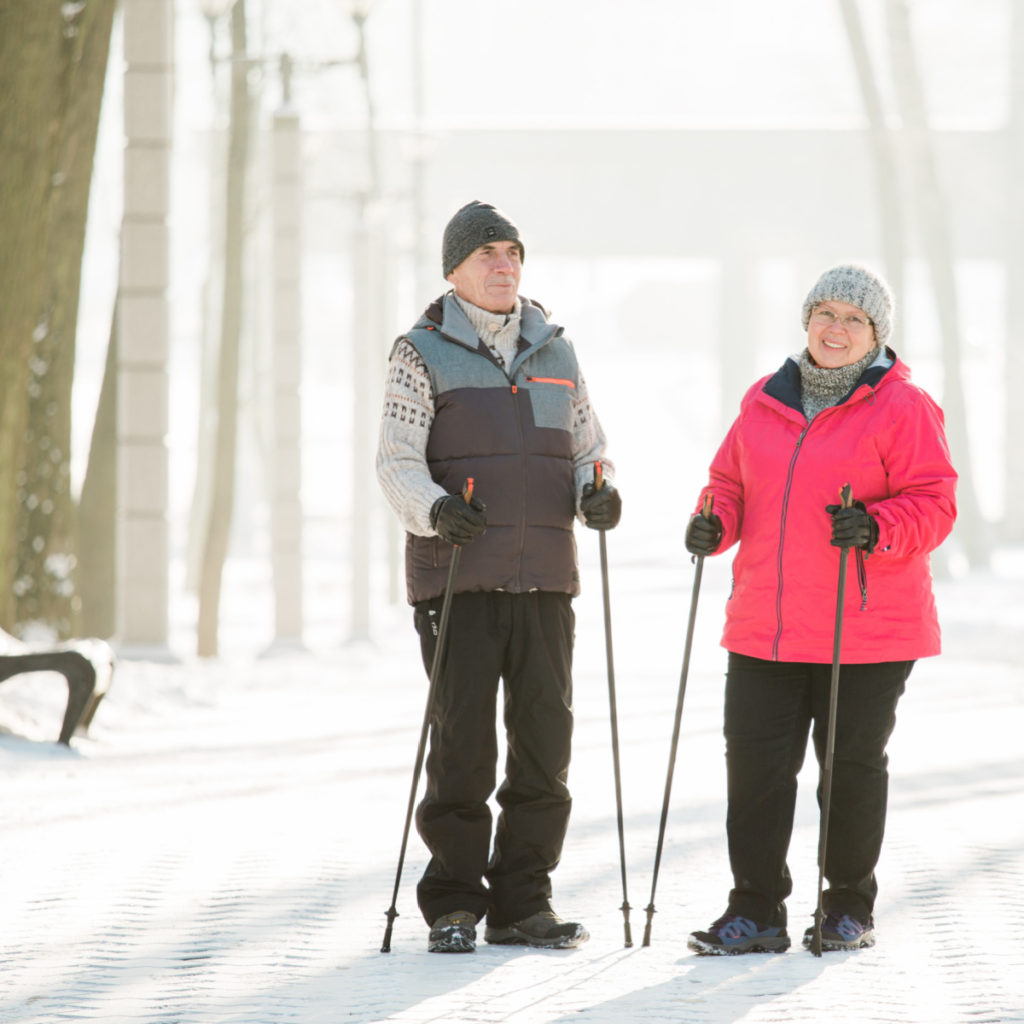
The broader conversation around GLP-1 medications and exercise should not be framed as either/or. It is not medication versus movement.
It is medication plus movement.
The best long-term results occur when pharmacotherapy supports:
- Resistance training to preserve muscle
- Cardiovascular conditioning for heart health
- Protein-focused nutrition (Check out Dr. Seun’s Weight Loss Plan Course)
- Behavioral accountability
For patients with obesity, insulin resistance or prior bariatric surgery, this combined strategy protects metabolic health beyond the number on the scale.
For additional evidence-based information on GLP-1 medications, see:
https://www.nytimes.com/2026/02/23/well/move/exercise-weight-loss-drugs-wegovy-ozempic.html?unlocked_article_code=1.O1A.L0L6.r3p5qNk7hrfa&smid=em-share
If You’re Considering GLP-1 Weight Loss
If you are thinking about starting semaglutide or tirzepatide — or if you are currently using them without structured oversight — this is the time to reassess your approach.
GLP-1 therapy can be highly effective. But sustainable weight loss requires more than appetite suppression.